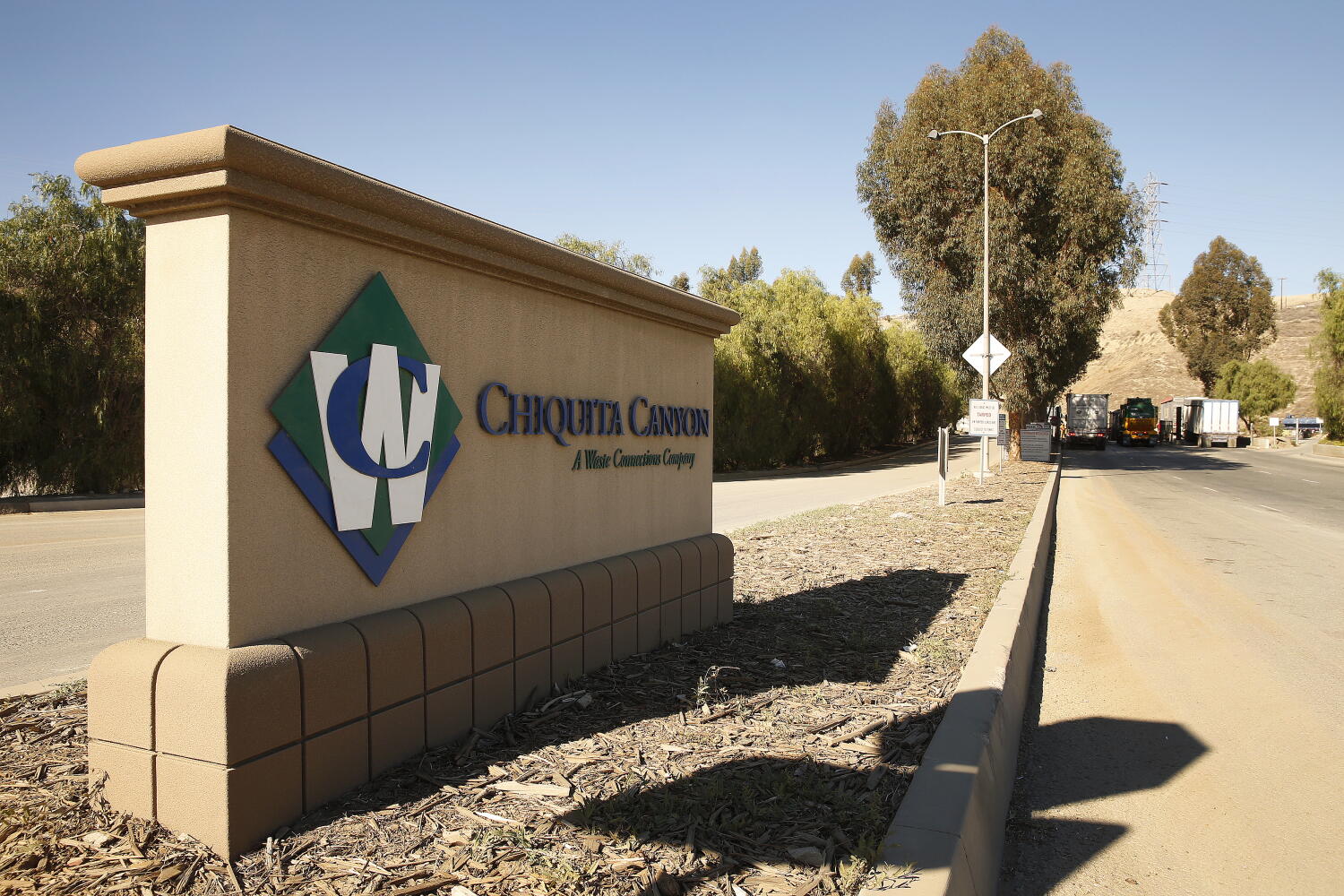
Smoke, stench, and systemic avoidance define the ongoing nightmare surrounding the Chiquita Canyon Landfill in Castaic. As an underground chemical reaction continues to burn through millions of tons of waste, local residents deal with nausea, headaches, and skyrocketing levels of cancer-causing benzene. Yet when accountability meetings are called, Los Angeles County officials are nowhere to be found.
Ignoring public hearings isn't just bad optics. It represents a total failure of local governance while thousands of Santa Clarita Valley residents breathe toxic air daily.
The Anatomy of an Ongoing Environmental Disaster
The crisis at Chiquita Canyon didn't happen overnight. Since early 2022, a massive high-temperature exothermic reaction has been cooking the landfill from the inside out. This underground burning produces billions of cubic feet of noxious gases and massive quantities of contaminated liquid waste known as leachate.
State regulators, including California Attorney General Rob Bonta, have stepped in with major lawsuits against the landfill's owners. State audits have also slammed the Los Angeles County Department of Public Health for dragging its feet on community relocation assistance and sluggish communication.
Despite these alarming findings, county leadership frequently dodges direct public confrontation. When communities demand answers about air monitoring, emergency evacuations, and slope stability, empty chairs sit where county department heads should be.
Why Officials Are Running Away From Public Scrutiny
Public hearings are messy. They require politicians and bureaucrats to look constituents in the eye and explain why regulatory oversight failed for years.
When county officials ghost these hearings, they protect themselves from immediate public outrage. Bureaucrats prefer issuing sanitized press releases over answering hard questions about why residents near Val Verde and Castaic were left in the dark about hazardous air pollutants.
Avoiding the room shifts the burden entirely onto the people living next to a toxic waste furnace. Families are left tracking their own symptoms, measuring benzene spikes, and wondering why local government agencies act more like defense attorneys for the landfill operators than public safety advocates.
The Cost of Institutional Silence
Trust is hard to rebuild once it burns down. When public agencies skip accountability forums, communities lose faith in the entire regulatory structure.
State-level interventions, such as recent legislative mandates requiring stricter temperature monitoring and data transparency, prove that local inaction forces higher authorities to step in. But state laws take time to implement. Meanwhile, the landfill keeps emitting odors, flares experience unplanned downtime, and residents pay the physical toll.
If you live near an industrial disaster zone, waiting for municipal leadership to volunteer transparency is a losing game. Real accountability requires sustained pressure, public documentation of health symptoms, and demanding that elected officials show up to face the communities they are sworn to protect.
Stop accepting ghosted meetings as normal. Demand hybrid accessibility, force public records requests into the open, and show up to every single oversight gathering until local authorities can no longer hide behind closed office doors.