Seventy-four lashes for singing a song without a headscarf in an empty room. That sounds absurd until you remember how seriously the Islamic Republic treats a woman's voice and uncovered hair. On November 23, 2026, authorities in the holy city of Qom carried out that flogging sentence against 29-year-old Iranian singer Parastoo Ahmadi and four members of her production team.
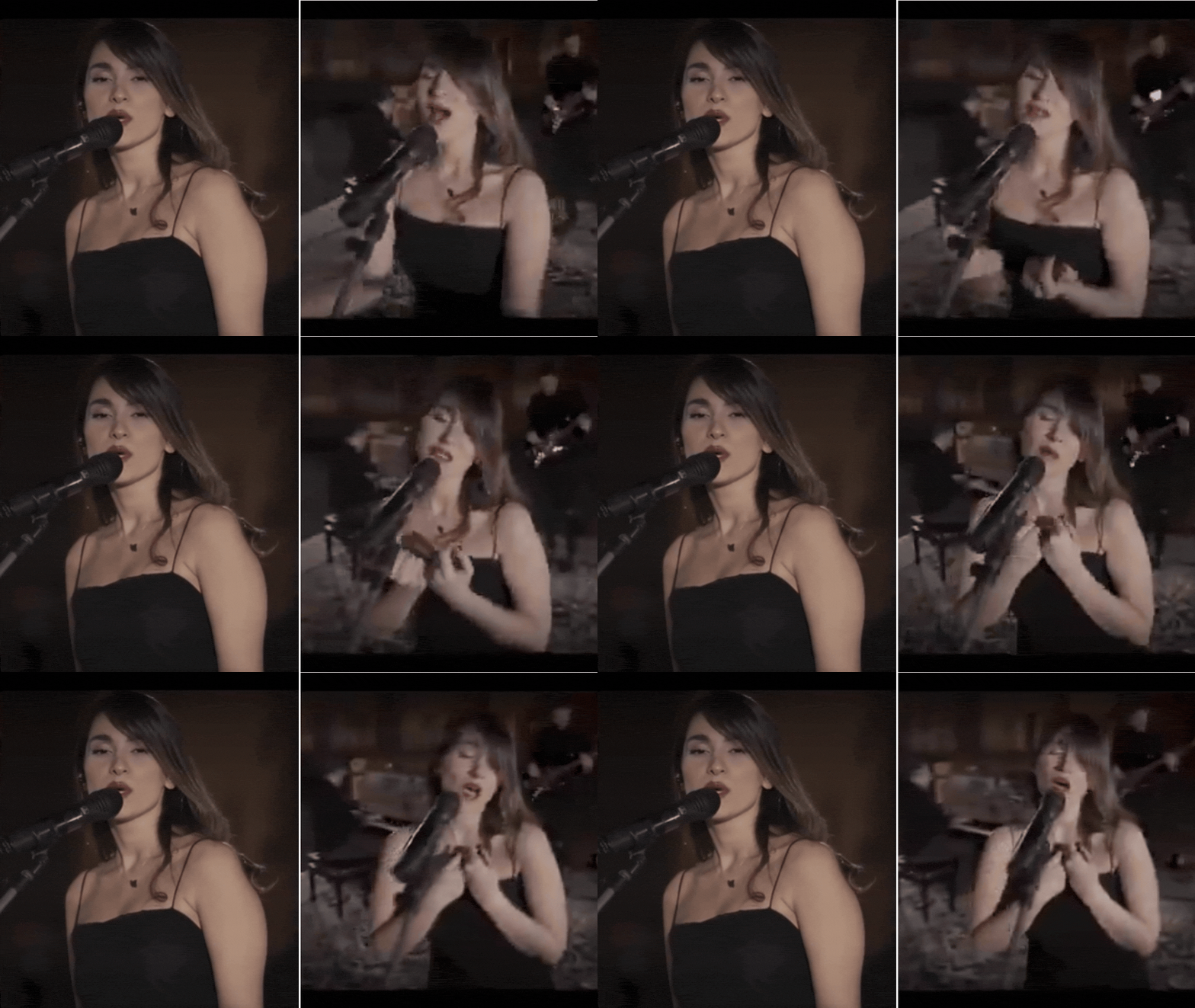
What makes this case hit so hard isn't just the brutality of the punishment. It's the gap between the act and the state's reaction. Ahmadi didn't stage a massive street rally or storm a government building. She filmed an audience-less concert at a caravanserai in late 2024, dressed in a sleeveless black outfit without a hijab, and uploaded it to YouTube. Nearly two years later, the physical blow landed in Qom.
Why Parastoo Ahmadi Became a Target
If you think this punishment came out of nowhere, you haven't been paying attention to Ahmadi's track record. She wasn't a random hobbyist who accidentally broke a dress code.
Ahmadi trained in solfège and voice starting around age 14, building real chops in Iranian classical and folk music. During the 2022 protests sparked by Mahsa Amini's death in custody, she performed "From the Blood of the Youth of the Homeland". In June 2023, she released "The Air of Freedom," explicitly tied to the "Woman, Life, Freedom" movement. By October 2023, she was already facing a judicial case, a summons to Tehran's Security Court, and confiscated belongings.
So when she put out the Caravanserai Concert in December 2024, authorities saw a repeat offender pushing boundaries in a city—Qom—that serves as a major clerical center. Even though there was no paying crowd sitting in front of her, prosecutors treated the online broadcast as "outraging public decency" and producing "obscene and immoral content".
The Legal Timeline That Led to Qom
A lot of coverage skips the slow, grinding legal machinery behind these sentences. This didn't happen overnight.
- December 2024: After the YouTube concert went viral, Ahmadi was briefly detained in Mazandaran province alongside musicians Ehsan Beyraghdar and Soheyl Faghih-Nasiri, before being released amid public backlash.
- June 2026: A court handed down the flogging sentences to Ahmadi and members of her team.
- September 2026: A local criminal court in Qom upheld the convictions.
- November 23, 2026: Ahmadi and four production team members—reported by Iranian newspaper Etemad as Soheil Faghih-Nasiri, Amin Taheri, Amirali Pirnia, and Mohsen Lashkari—presented themselves to authorities in Qom and received 74 lashes each.
Her lawyer, Mostafa Nili, and members of the defense team told outlets including Emtedad and the BBC that they pushed hard to overturn, reduce, or delay the verdict. No luck. The enforcement branch moved fast once the window opened.
On top of the lashes, Ahmadi and her co-defendants were hit with two-year bans on leaving Iran and two-year bans on artistic and musical activities. That travel ban matters a ton. For artists inside Iran, cutting off international stages and restricting domestic work is a deliberate squeeze meant to starve dissent of oxygen.
What Most People Miss About This Story
Let's be honest: headlines about "Iran lashes singer Parastoo Ahmadi 74 times for performing without hijab" capture the shock value, yet they flatten the bigger picture.
First, four men were flogged alongside her. Foreign news summaries often focus almost entirely on the female singer—understandably, given Iran's compulsory hijab laws—but the state also punished male musicians and crew members who helped stage and share the performance. Solo female singing in front of men and unpermitted music already sit on thin ice under state rules, and the judiciary went after the whole production chain.
Second, the internet didn't erase the crime; it amplified the threat. You might assume a video uploaded to YouTube from a quiet caravanserai is less "public" than a concert hall. Iranian prosecutors argue the opposite. Because the recording racked up more than three million views online, they treated the digital reach itself as an aggravating factor. And notice the irony: the video itself stayed up on YouTube even after the flogging was carried out. Physical punishment can hurt a body, yet it can't un-ring a digital bell.
Third, flogging is still routine policy, not a freak exception. Human rights groups—including Amnesty International, Dadban, and Hengaw—along with Western governments condemn corporal flogging as cruel, inhuman treatment or torture under international standards. Iranian officials routinely dismiss Western criticism as hypocrisy. Meanwhile, critics inside and outside the country pointed out the optics in late 2026: spending state energy flogging artists while Iran faces severe economic strain, heavy execution totals, and intense geopolitical pressure.
Why This Matters Four Years After Mahsa Amini
Four years after Mahsa Amini's death ignited nationwide protests in 2022, mandatory head coverings and artistic censorship remain flashpoints. Many women in major cities visibly push back against hijab rules every day, and underground art keeps finding ways out—from bedroom recordings to guerrilla film shoots.
At the same time, the state hasn't backed down from harsh selective enforcement. By punishing a high-profile singer four years into the post-2022 era, authorities send a message to every musician, filmmaker, and creator in the country: viral fame won't shield you, and old cases can still catch up to you.
Will a move like this quiet Iranian artists? Probably not for long. Historically, heavy-handed crackdowns on beloved cultural figures backfire, turning a single song into a rallying point. Still, the personal cost on people like Ahmadi and her bandmates is very real, and pretending otherwise would be naive.
Practical Next Steps If You're Following or Covering This
If you want to track developments accurately instead of relying on recycled social media hot takes, do a few simple things:
- Check primary legal and rights reporting: Follow statements from verified defense lawyers like Mostafa Nili, credible outlets such as Reuters, BBC, or Etemad, and rights monitors like Amnesty International or Hengaw rather than anonymous reposts.
- Watch the two-year ban window: Pay attention to how travel and performance restrictions affect Ahmadi and her four colleagues through late 2028, especially around international festivals or diaspora solidarity events.
- Verify claims before sharing: Always confirm dates, numbers of lashes (74 each for five people), and whether a detail comes from a court filing, a lawyer, or an activist commentary. Accuracy protects credibility when emotions run high.