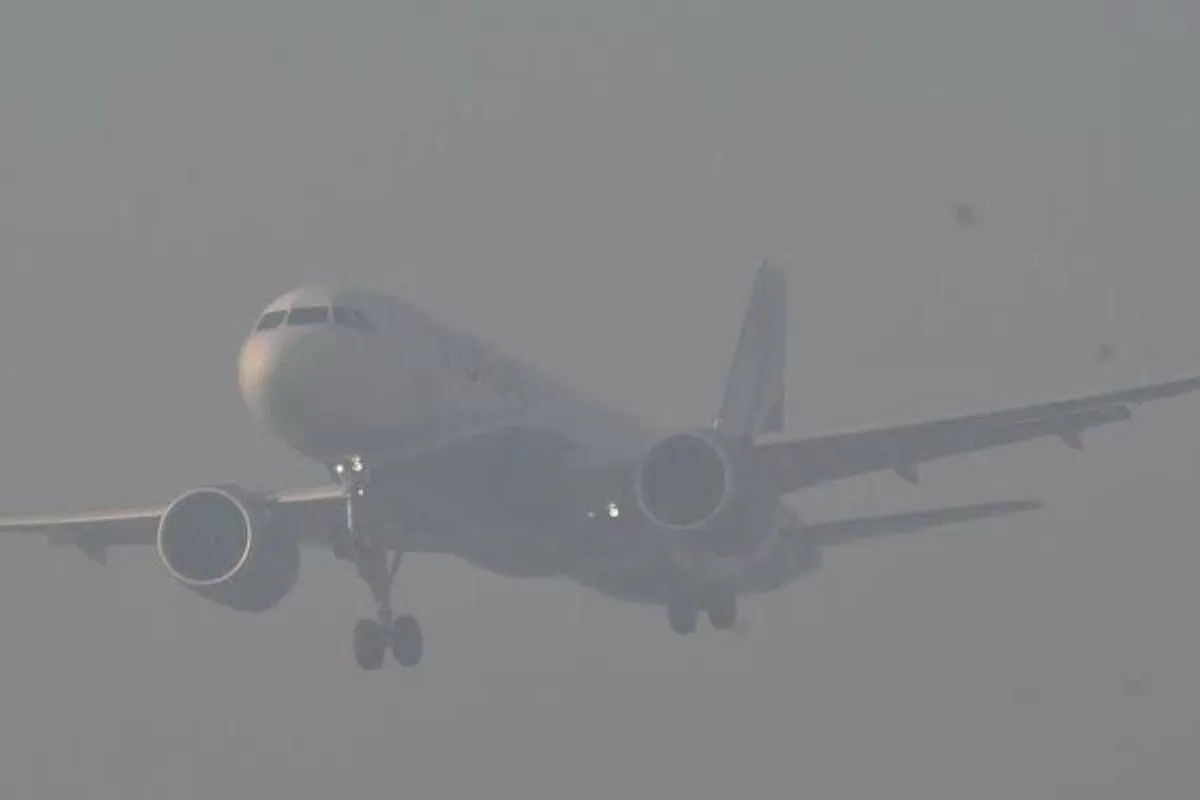
Mount Anak Krakatau woke up, and thousands of travelers instantly found their plans erased. When the volcanic island in the Sunda Strait started throwing massive ash plumes into the atmosphere, it didn't just put on a terrifying geological show. It brought air traffic across western Indonesia to a screeching halt.
If you've ever wondered how fragile modern aviation logistics actually are, look no further than a shifting column of microscopic glass and rock fragments. Volcanic ash isn't just dirty dust. It acts like liquid sandpaper inside high-bypass jet engines, melting at high temperatures, coating turbine blades, and starving aircraft of thrust. Aviation authorities don't guess when ash is present. They close the airspace. Period.
The Scale of the Disruption
The eruption triggered closures across multiple airports in Banten, Jakarta, and parts of Sumatra. Indonesia's primary aviation hub, Soekarno-Hatta International Airport serving Jakarta, alongside Halim Perdanakusuma, suddenly went dark for commercial departures and arrivals.
Nearly 3,000 flights were grounded or delayed over a chaotic two-day stretch, stranding roughly 341,000 passengers. International routes took a massive hit, with hundreds of overseas connections scrapped or diverted. Commuters and tourists flooded alternative transit options like trains and long-distance buses, overwhelming local infrastructure.
Transportation Minister Dudy Purwagandhi ordered a cautious approach. Officials refused to rush clearances, knowing that microscopic ash residue can linger invisibly in flight paths long after the initial eruption column dissipates.
Understanding the Child of Krakatau
Anak Krakatau translates directly to the child of Krakatau. That name carries heavy historical weight. The original Krakatau cataclysm in 1883 blew apart global weather patterns and killed tens of thousands. While Anak Krakatau doesn't match that historic scale, it remains intensely volatile.
In 2018, a flank collapse triggered by an eruption caused a deadly tsunami. Volcanologists keep tracking this young vent because its structural integrity changes constantly. The mountain sits at Indonesia's second-highest alert level, meaning government warnings and restricted zones around the crater are permanent fixtures of local life. Fishermen and tourists are legally barred from approaching within three kilometers of the active zone, though nature routinely ignores human boundaries.
Getting Flights Moving Safely Again
Reopening major airports isn't just a matter of sweeping off the runways. Logistics teams had to comb through strict safety protocols before passenger planes could return to the skies.
Airlines faced mandatory maintenance directives. Ground crews had to inspect every single aircraft surface, pitot tube, and internal engine component for microscopic ash contamination. Even parked planes covered by protective shields needed deep clearances because fine particulates drift into every crevice.
Operations slowly resumed as wind directions shifted and satellite tracking confirmed the hazard zone had moved clear of major flight corridors. Regional authorities also gave schools in heavily impacted ash zones the green light to shift temporarily to online learning, protecting children from respiratory complications.
Mother Nature reminds us regularly that human schedules are entirely conditional. Keep an eye on local meteorological updates if you're booking travel through the Sunda Strait region, because this active volcanic child isn't done growing yet.
Anak Krakatau Eruption Disrupts Flights
This video provides visual footage of the ash plumes and details the immediate impact on flight routes during the recent eruption.