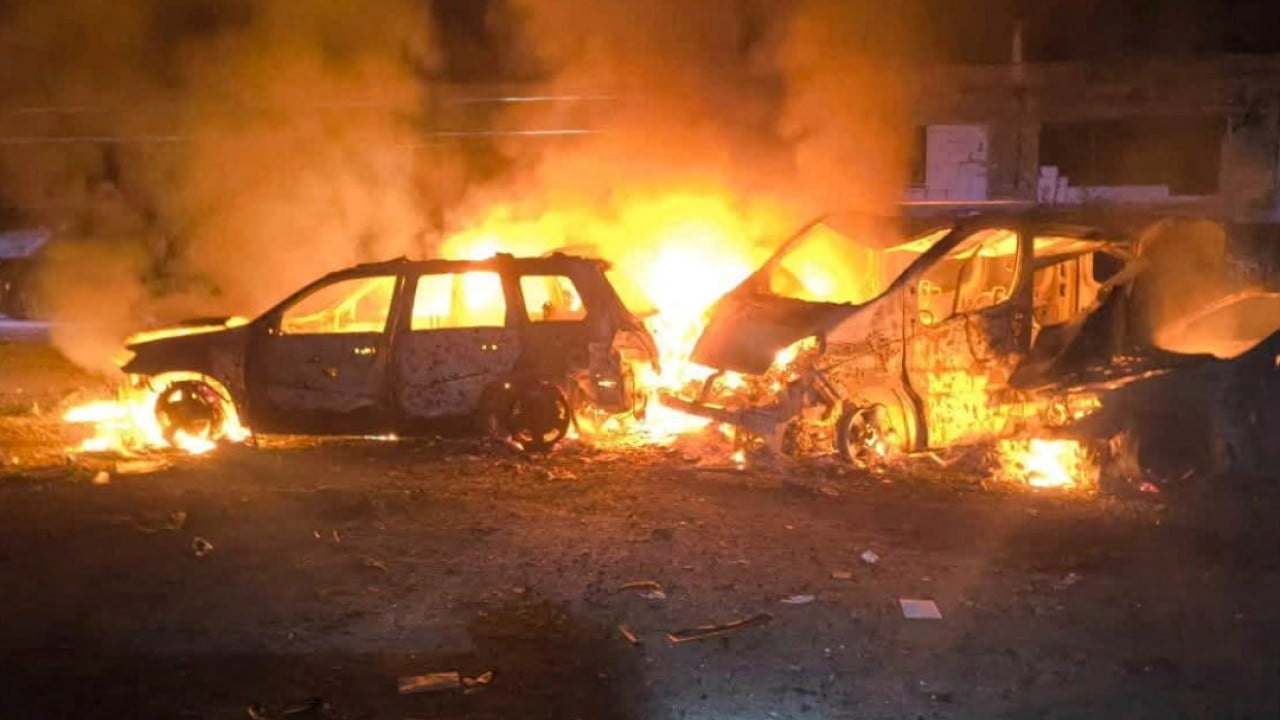
The war doesn't stop for diplomatic talks or weekend routines. Early Sunday morning, ballistic missiles slammed into Kyiv, waking residents to roaring fires and shattered glass, while retaliatory strikes across the divided front lines claimed civilian lives on both sides.
If you're trying to figure out where this conflict is heading, look past the daily casualty reports. The tit-for-tat violence—marked by Russian ballistic strikes on Ukrainian cities and Ukrainian drone attacks hitting Russian-held territory—highlights a brutal stalemate that neither side can break through sheer force alone.
The Reality on the Ground
In Kyiv, falling debris from intercepted missiles set fire to a residential tower block near the historic center. Mayor Vitali Klitschko reported multiple fires across buildings and parking lots. Further east in Kharkiv, a drone strike killed one person and wounded children, while a Russian glide bomb struck Zaporizhzhia.
Meanwhile, in Russian-occupied eastern Ukraine, Kremlin-installed authorities reported that a Ukrainian drone strike killed four civilians in the city of Horlivka.
These aren't isolated incidents. They are part of an expanded, grinding campaign. Ukraine's long-range drone strategy aims squarely at Russia's energy infrastructure and fuel supplies, creating real economic pressure inside Russia. But Moscow responds by intensifying missile barrages against Ukrainian population centers, maintaining a grim equilibrium of suffering.
What Most People Get Wrong About the Current Strategy
Casual observers often assume that high-profile drone raids or missile interceptions will force a quick diplomatic breakthrough. They won't.
Diplomatic efforts remain effectively stalled. Even as international figures like Finnish President Alexander Stubb argue that Ukraine's position is uniquely resilient due to its domestic drone innovations, the fundamental math of the battlefield hasn't shifted. Russia continues its slow, grinding push in the east, while Ukraine relies on asymmetric strikes to stretch Russian logistics.
Consider the broader regional spillover. NATO members like Romania are regularly scrambling F-16 fighter jets to intercept stray drones violating their airspace over the Black Sea. Every incident carries an inherent escalation risk that military planners whisper about behind closed doors.
Looking Past the Headlines
When you track these updates, don't get lost in the daily numbers game. Focus on the structural bottlenecks:
- Fuel shortages and supply line strains inside Russia caused by targeted drone runs.
- Air defense depletion rates for Ukrainian cities facing combined missile and glide bomb waves.
- The growing frequency of border airspace violations involving neighboring NATO states.
The conflict enters its fifth year with neither Kyiv nor Moscow willing to blink. Expect more of the same attrition until international pressure or severe resource exhaustion forces a structural change in how this war is fought.