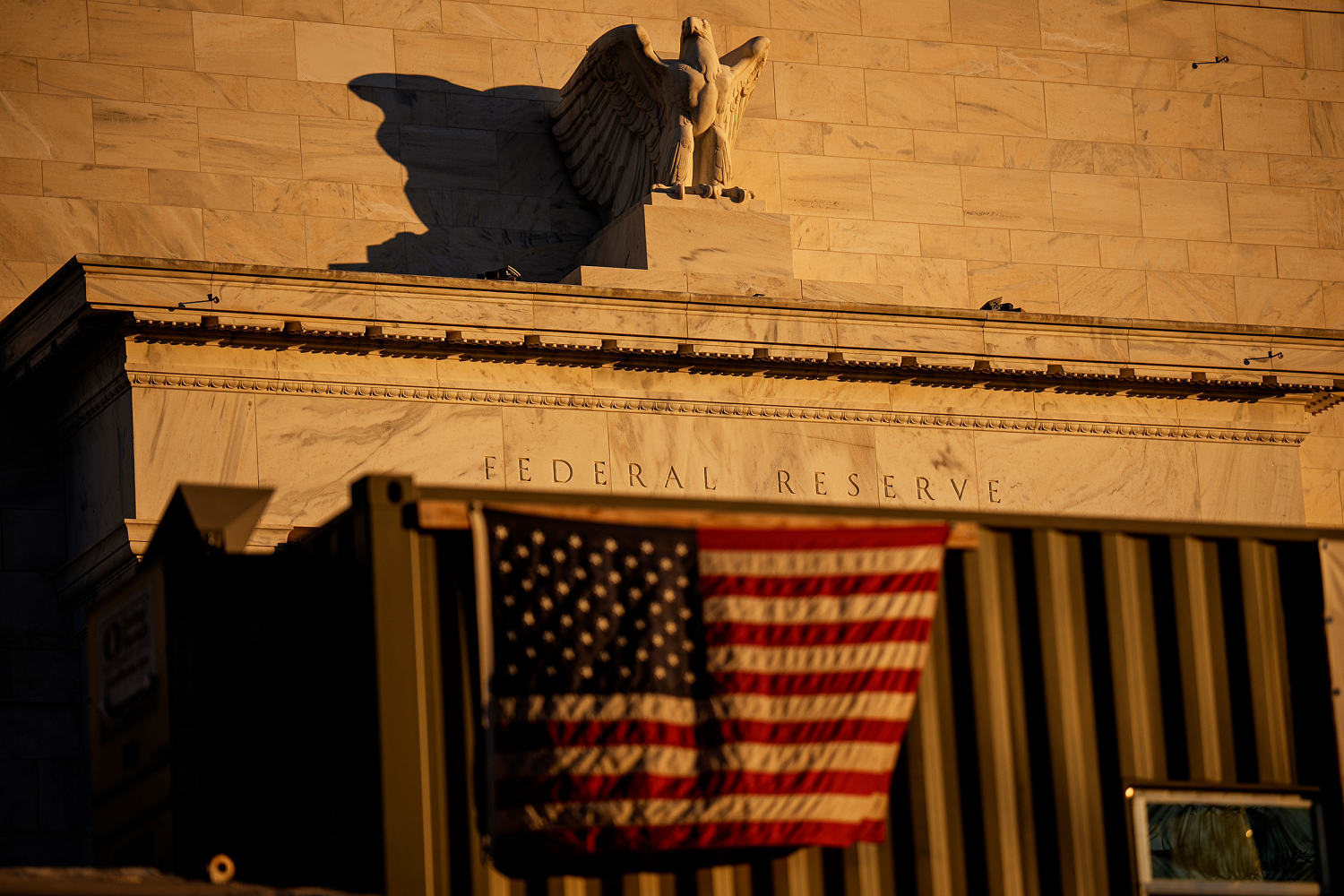
The Federal Reserve just pushed its benchmark interest rate to a target range of 3.75% to 4%. If you spent the last year hoping that borrowing costs were finally about to drop, that hope just hit a brick wall. Chair Kevin Warsh and the central bank voted for a quarter-point increase because sticky inflation, surging crude oil past $100 a barrel, and a stubborn labor market left them zero breathing room.
Wall Street saw it coming, but everyday consumers are left wondering what this means for their monthly budgets. Let us break down how this shift actually impacts your cash, your debts, and your next financial moves without the Wall Street jargon.
Your Savings Finally Get a Pulse
Let us start with the rare silver lining. If you keep cash sitting in a traditional brick-and-mortar savings account paying next to nothing, you are losing purchasing power. But higher federal funds rates mean banks face stiffer competition for your deposits.
High-yield savings accounts and certificates of deposit are holding steady or climbing. If your bank is still paying 0.01% interest on your cash, move it today. Online banks are offering yields that actually help combat inflation. Shop around and make your emergency fund work for you instead of padding your local bank's profit margins.
The Reality Check for Mortgages and Housing
People love to panic whenever the Fed moves, assuming their monthly mortgage payment is about to spike. Take a breath. If you locked in a fixed-rate mortgage over the last few years, your monthly payment remains completely untouched. The Fed doesn't rewrite your existing contracts.
The pain is reserved for new home buyers and anyone holding variable debt. With the 30-year fixed mortgage rate hovering well above 7%, buying a home has become an exercise in extreme budgeting. On a typical $350,000 loan, moving from a 6.25% rate to 7% adds roughly $175 a month strictly in principal and interest.
If you are shopping for a house right now, you have to factor these higher rates into your debt-to-income ratio. Do not stretch your budget to the absolute limit expecting a quick refinance next month. The Fed has signaled that more tightening could happen before the year ends. Plan around high rates sticking around for a while.
Credit Cards and Personal Loans Will Punish You Faster
Credit card companies move at lightning speed when the Fed raises rates. Most variable annual percentage rates on credit cards tie directly to the prime rate, which adjusts almost overnight.
If you are carrying a balance from month to month, your interest charges are about to get heavier. Minimum payments will absorb a larger chunk of your cash, leaving less room to chip away at the actual principal.
Auto loans and personal loans operate similarly. Lenders tighten credit standards and pass higher borrowing costs down the line. If you planned to finance a new car or take out a personal loan for home renovations, expect higher monthly quotes.
How to Protect Your Money Right Now
Stop guessing what the Federal Reserve will do at the next meeting and focus on what you can control.
- Attack variable debt first: Prioritize paying down credit cards and home equity lines of credit before their variable rates reset higher.
- Audit your yield: Check what your savings accounts and money market funds are paying. Move idle cash to high-yield options immediately.
- Avoid bad debt traps: Be skeptical of promotional financing offers that hide massive fees or balloon payments behind low initial teaser rates.
Higher interest rates are designed to slow down consumer demand and cool off the economy. Protect your household balance sheet by locking in fixed terms where possible and refusing to feed high-interest debt.