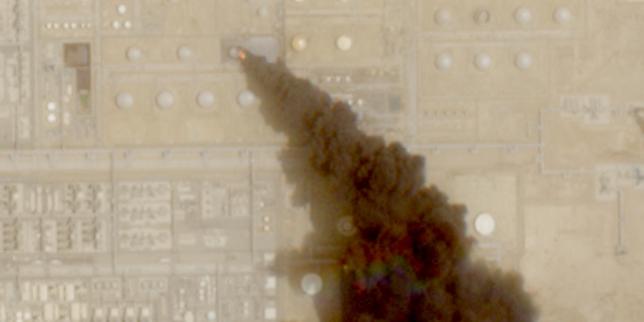
The Middle East is teetering on a knife’s edge again. This morning, August 9, 2026, the silence over the Red Sea was broken by yet another strike on Saudi energy infrastructure. Yemen’s Houthi rebels, backed by Tehran, claimed responsibility for a drone attack on the Aramco refinery in Jazan.
This isn’t just a random flare-up. It’s part of a calculated, intensifying campaign that threatens to upend global energy security. If you are watching the oil markets or the broader regional war that kicked off in February, you know this is bad news.
Why Jazan is the New Ground Zero
Jazan is massive. It’s not just a minor facility; it processes around 400,000 barrels of crude oil every single day. When the Houthis hit Jazan—as they did in July and again today—they aren't just trying to make a statement. They are specifically targeting the arteries of the Saudi economy.
Why the focus on Jazan? It’s sitting right on the Red Sea coast, uncomfortably close to the Yemeni border. It’s a sitting duck. With the Strait of Hormuz effectively locked down by Iran since the start of this conflict, the Red Sea has become the primary exit point for Saudi oil. By hitting Jazan and Yanbu, the Houthis are squeezing the kingdom’s ability to export its way out of this crisis.
The Context You Are Likely Missing
Most headlines focus solely on the fire at the refinery. That’s missing the forest for the trees. This attack follows a major diplomatic shift: the "Mecca Joint Defence Agreement" signed just Friday between Saudi Arabia, Turkey, and Pakistan.
Think about that timing. Two days after these regional powers formalized a pact to boost collective deterrence, the Houthis strike. It’s a direct challenge. They are essentially telling this new alliance that their paper treaties won’t stop projectiles from reaching their targets.
The regional dynamics are shifting rapidly:
- The Blockade: The Houthis declared a naval blockade of Saudi vessels in the Red Sea late last month. This is not an empty threat. We’ve seen multiple tankers, including the Wafa and the Daisy, hit by missiles in recent days.
- The Marib Front: Beyond the maritime war, the situation on the ground in Yemen is bloodier than it has been in years. Recent fighting in Marib saw nearly 60 soldiers killed in a single day of clashes. The truce of 2022? That’s basically ancient history now.
- The Iran-US Factor: We are currently in a state of suspended animation regarding peace talks. With the Strait of Hormuz a theater of war, the Red Sea has turned into a secondary, equally dangerous battlefield.
Understanding the Saudi Response
The Saudi Ministry of Energy keeps its messaging tight. They confirmed the fire was extinguished, stated there were no injuries, and avoided pointing fingers at the cause. That is classic state-level crisis management—they don't want to spook the markets or escalate public panic.
But behind the scenes? The coalition is undoubtedly fuming. They have labeled Marib a "red line." They are signaling that they won't stand by while their infrastructure is picked apart. However, the reality of the military balance has shifted. Drones and ballistic missiles are cheap and effective, while air defense systems—no matter how advanced—can eventually be overwhelmed.
What Happens Next
If you are paying attention to the global energy markets, don't expect stability anytime soon. The move to shift Saudi oil exports toward the Red Sea was supposed to be a clever workaround for the Hormuz blockade. The Houthis have now proven that this "workaround" is just as vulnerable.
We are looking at a sustained period of volatility. The alliance between Saudi Arabia, Turkey, and Pakistan is a significant attempt to build a wall against this aggression, but it’s untested.
Here is what you should watch for in the coming week:
- Shipping Insurance Premiums: Watch the costs for vessels moving through the Bab el-Mandeb Strait. If they spike, the cost of energy will follow.
- The Intensity of Responses: Does the new defense pact lead to any tangible military action, or is it just posturing?
- Refinery Output: Keep an eye on Aramco’s production reports. Even if fires are put out, operational interruptions at Jazan ripple outward to global supply chains.
The days of assuming the Red Sea is a safe highway for crude oil are over. We are in a new phase of this conflict where energy infrastructure is a primary target, not an accidental victim. Keep your eyes on the supply lines. They are the true scorecard of this war.