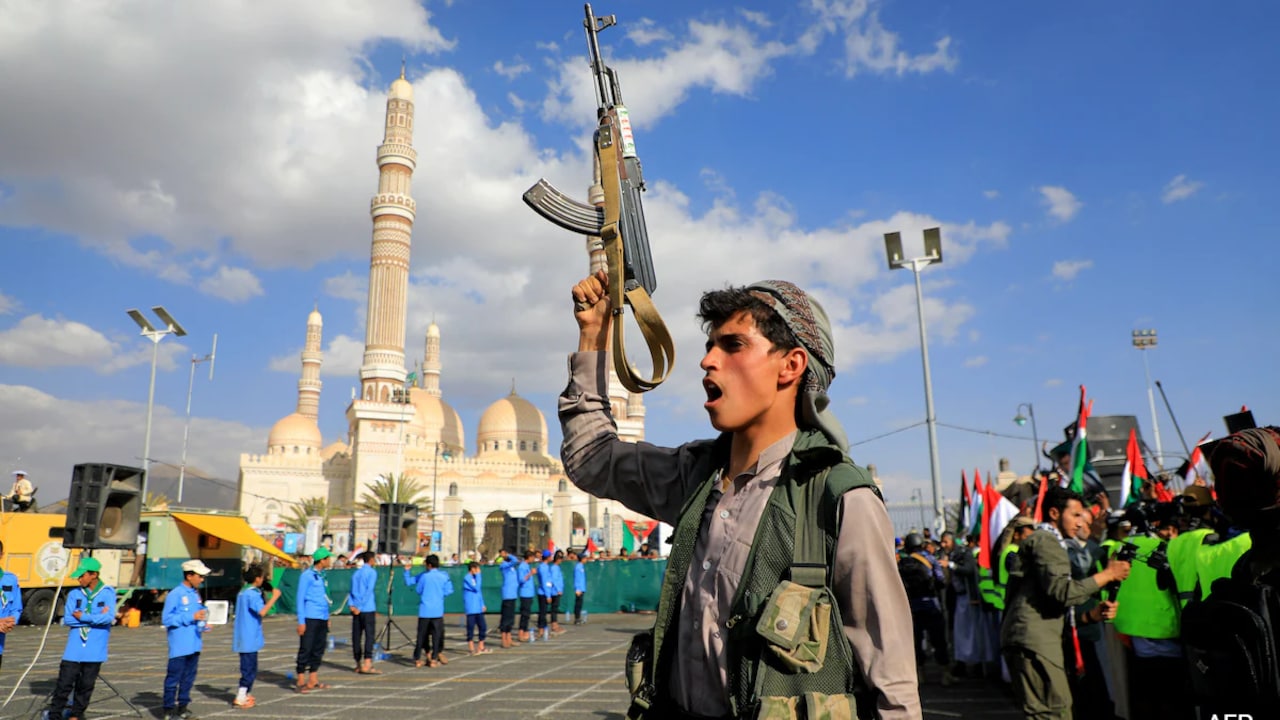
Yemen's Houthi movement just proved that Saudi Arabia's oil infrastructure remains dangerously exposed. When a drone slammed into the Saudi Aramco refinery in Jizan, it wasn't just another isolated regional skirmish. It was a direct, calculated message that pierced through billions of dollars in air defense investments.
If you think regional proxy conflicts are staying quiet, you haven't been watching the skies over the Red Sea. Let's break down what actually happened, why Jizan matters, and what this means for global oil markets moving forward.
Inside the Jizan Refinery Strike
The attack unfolded at dawn. Houthi military spokesperson Brigadier General Yahya Saree didn't waste time taking credit, announcing via Telegram that a drone had achieved a precise strike on the Saudi Aramco facility in southwestern Saudi Arabia.
Saudi Arabia's Ministry of Energy handled the initial fallout by confirming a fire broke out at one of the plant's units. Officials were quick to note that industrial security teams contained the blaze swiftly and reported zero casualties.
Official statements love to downplay the physical damage. But don't let the lack of casualties fool you. Jizan is a massive integrated refinery and petrochemical complex sitting right on the Red Sea coast. Hitting a target this critical reveals persistent vulnerabilities in how regional energy hubs handle low-flying, low-cost unmanned aerial vehicles.
The Retaliation Narrative
Why now? The Houthi command explicitly framed the operation as direct retaliation. According to their public statements, the drone deployment answered what they termed continuous Saudi drone incursions and airspace violations over Yemen's northern Saada and Hajjah governorates.
Tit-for-tat logic dictates modern asymmetric warfare. When regional truces fray, airspaces turn into open hunting grounds. The Houthis have steadily upgraded their mechanical capabilities, shifting from crude projectiles to long-range systems capable of navigating complex terrain.
This isn't an isolated incident either. Late July saw similar claims of ballistic missile and drone operations targeting sensitive infrastructure in Jizan and Yanbu. Add reports of parallel disruptions near Jubail on the eastern coast, and a clear operational pattern emerges. The geographic spread of these targets forces Riyadh to stretch its defensive umbrella paper-thin.
Regional Shockwaves and Strategic Pacts
Timing dictates geopolitical impact. This strike hit just days after Saudi Arabia, Turkey, and Pakistan formalized the Mecca Joint Defence Agreement. That pact aims to boost collective deterrence, treating an armed attack on one member as an aggression against all.
Yet, paper agreements don't intercept drones. When asymmetric actors can puncture national borders and hit multi-billion-dollar energy nodes, high-level defense pacts face an immediate credibility test.
Energy security relies entirely on predictability. Refineries like Jizan supply vital petroleum products regionally and internationally. Every successful strike rattles market confidence, driving up insurance premiums for shipping lanes near the Bab-el-Mandeb Strait.
What to Watch Next
Ignore the sanitized press releases coming out of corporate and state offices. Watch the physical repair timelines and regional airspace tracking data instead.
If low-cost drones keep slipping past sophisticated defense batteries, oil markets will inevitably price in a permanent risk premium. Security commanders in Riyadh are forced to rethink their entire perimeter defense strategy. The era of easy energy shielding is over, and the cost of regional instability is climbing by the day.