Cross-border strikes don't happen in a vacuum. When the Saudi-led coalition announced the interception of ballistic missiles launched from Yemen toward Riyadh and Khamis Mushait, it marked a dangerous escalation in a region already teetering on a knife-edge.
If you've been following the shifting sands of Middle Eastern geopolitics, you know that quiet periods rarely last. The renewed aerial interceptions signal that a fragile status quo has shattered completely, dragging Saudi air defense networks back into high-stakes combat as the Yemeni government mounts aggressive ground counter-offensives.
What Sparked the Latest Escalation
The friction didn't appear overnight. For months, tensions simmered beneath the surface following the breakdown of long-standing truces. The current flare-up kicked off when Yemeni government forces, heavily backed by coalition air power, launched coordinated operations to retake strategic territory from Houthi control.
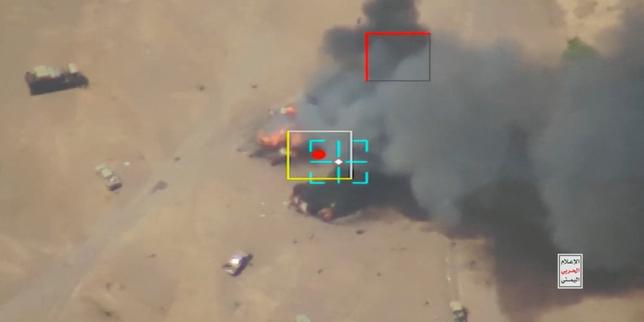
In retaliation, Houthi military spokesmen vowed severe consequences, immediately escalating cross-border drone and ballistic missile attacks targeting Saudi infrastructure. Explosions echoed near Riyadh and military installations in Khamis Mushait, while regional airports in Jazan and Najran faced direct impacts that injured civilians and damaged commercial facilities.
When rockets start flying toward a nation's capital, defensive postures shift overnight. Saudi Patriot and advanced air defense systems have been working overtime, intercepting incoming threats before they can hit populated urban sectors or critical energy hubs. But defense alone doesn't solve a war.
The Regional Spillover and Strategic Realities
Why should anyone outside the Gulf care about intercepted projectiles over Khamis Mushait or northern Riyadh? Because energy security and international shipping lanes are tied directly to these desert skies.
When Houthi factions target facilities linked to petroleum giants like Aramco or disrupt Red Sea shipping corridors, global markets react instantly. Crude prices fluctuate, shipping insurance rates spike, and supply chains feel the shockwaves.
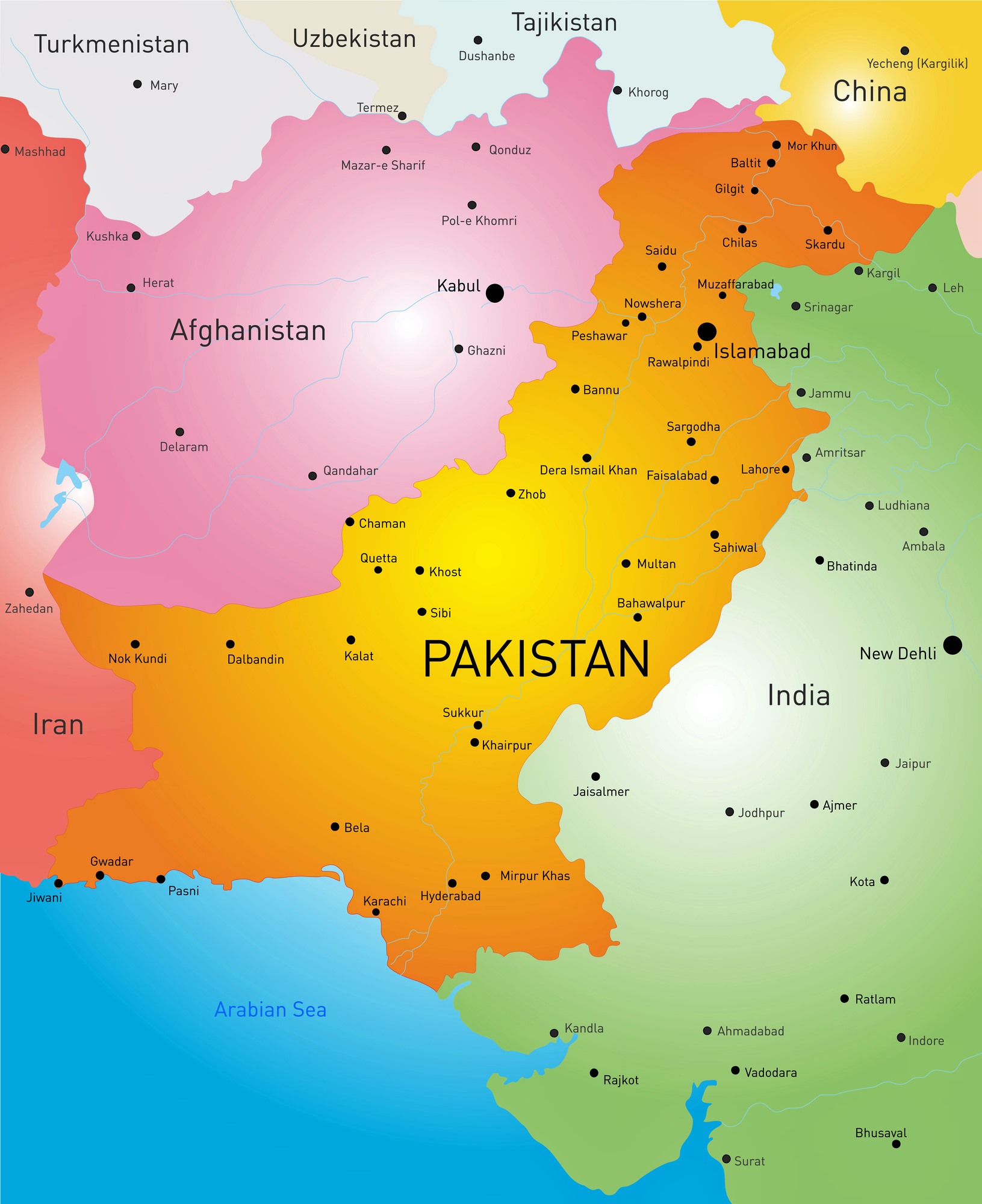
Furthermore, the diplomatic chessboard is getting crowded. Major regional players like Turkey and Pakistan find themselves pulled into security discussions, attempting to balance defensive pacts with Saudi Arabia while avoiding direct confrontation with Iran, which backs the Houthi movement. Washington has reiterated its commitment to Saudi security, promising intelligence and logistical backing, but nobody wants a wider regional conflagration.
Behind the Propaganda and Defense Claims
Military communications during active conflicts are notoriously tricky to parse. Saudi state media highlights the successful track record of anti-missile batteries, pointing to intercepted payloads and precise counter-strikes targeting launch sites in Sanaa, Saada, and Amran provinces.
On the flip side, Houthi commanders downplay interceptions, claiming their long-range systems continue to penetrate defense perimeters and rattle strategic targets deep inside the kingdom.
Truth usually sits somewhere in the middle. Modern missile defense technology works with remarkable precision, but no shield is one hundred percent foolproof. The sheer volume of incoming projectiles means that even successful interceptions scatter debris over populated areas, creating real physical danger on the ground.
Where the Conflict Goes From Here
Resolving the core conflict in Yemen requires more than shooting down missiles over Saudi airspace. As ground troops clash across provinces like Taëz and push toward contested urban centers, the humanitarian toll mounts daily.
If the coalition's current counter-offensive succeeds in pushing insurgent forces back from border regions, cross-border attacks might taper off temporarily. However, without a credible political framework that brings all Yemeni factions to the negotiating table, any military victory will remain entirely temporary.
Keep an eye on Red Sea maritime security reports and official statements from regional defense ministries over the coming weeks. That is where the real barometer of stability will be found.