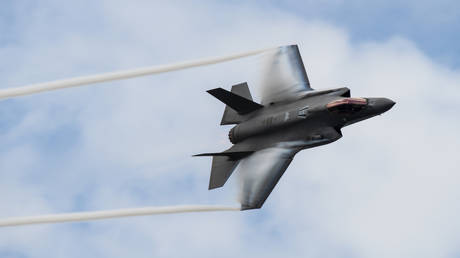
A Hungarian Air Force JAS 39 Gripen fighter jet went down near the central town of Szolnok, forcing the pilot to eject in the nick of time. Prime Minister Péter Magyar broke the news on social media, confirming that while the aircraft was destroyed, the pilot made it out alive and headed straight to the hospital via ambulance.
Military accidents rattle public confidence fast, especially when high-performance NATO hardware hits the ground. But unlike disasters that result in tragedy, this incident dodged a bullet. No civilian infrastructure took damage, and ground casualties were zero. Even so, questions are piling up about what went wrong in the skies over Szolnok.
What We Know About the Szolnok Crash
The Swedish-built fighter came down mid-morning during what local officials believe was a routine training flight. Szolnok plays host to a major military helicopter base, making it a frequent hub for flight operations.
Defence Minister Romulusz Ruszin-Szendi rushed to the crash site alongside top military brass. In a video update shared online, Ruszin-Szendi noted that the pilot appeared to have done everything possible to guide the failing aircraft away from populated zones and onto military property before pulling the ejection handle.
The pilot's quick thinking averted a much worse disaster. Preliminary assessments confirm he sustained no life-threatening injuries during the sequence.
Inside Hungary's Gripen Fleet
Hungary's military relies heavily on these multirole jets for national defense and international airspace policing. The country operates a compact fleet of 18 JAS 39 Gripens. Fourteen of those planes came through a long-term lease-purchase agreement launched back in 2001, while four newer models joined the ranks recently.
Because the fleet is relatively small, losing even a single airframe stings. International missions—such as safeguarding Baltic airspace—demand constant readiness from every available jet.
Accidents involving this specific aircraft type are rare in Hungarian service, though not unprecedented. Back in 2015, a Hungarian Gripen suffered a rough crash-landing due to a technical glitch, though that pilot also ejected safely and the jet was eventually salvaged. Investigators will look closely at whether Monday's crash stems from a mechanical failure, software glitch, or human factor.
The Investigation Ahead
An official inquiry is already underway, led by military safety experts and defense authorities. Flight data recorders and wreckage analysis will dictate the next steps. Until the board releases a formal finding, the exact trigger behind the Szolnok crash remains entirely speculative.
Expect defense committees to review pilot training hours and maintenance logs across the Kecskemét air base in the coming weeks. For now, the immediate crisis has passed, leaving a bruised fleet and an investigating team with heavy questions to answer.