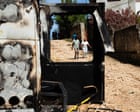
At least 47 people are dead and over 50 others have been kidnapped following a brutal overnight raid by armed gangs in Kenscoff, a mountainous farming community overlooking Haiti's capital, Port-au-Prince. This massacre is not just another isolated tragedy. It is a calculated display of power by the Viv Ansanm gang coalition, proving that criminal factions can strike wherever and whenever they choose. If you think international support has stabilized the region, the horrors unfolding in the hills above the capital will force you to rethink everything.
Security experts and local residents are furious. They have every right to be. The raid began late Sunday night, catching a sleeping community completely off guard. According to United Nations reports, at least five children are among the dead, and twenty-two victims were ruthlessly executed inside a church compound where they ran for sanctuary. Gang members also set fire to roughly 25 homes, including properties belonging to prominent locals like public health specialist Jean William Pape.
Why Kenscoff Matters to the Gangs
You might wonder why armed groups are targeting a quiet hillside farming town instead of focusing entirely on downtown Port-au-Prince. The answer comes down to geography and tactical dominance. Gangs already control an estimated 70% of the capital. By pushing hard into Kenscoff, they gain the ability to completely encircle the affluent neighborhood of Pétion-Ville.
Furthermore, Kenscoff sits directly on top of vital alternative transit routes connecting Port-au-Prince to the southern regions of the country. Control these mountain roads, and you control the economic throat of the region. Romain Le Cur, an analyst with the Global Initiative Against Transnational Organised Crime, points out that these constant assaults are designed to stretch the already overwhelmed National Police and the under-resourced international security mission to their absolute breaking point.
When security forces have to rush troops to protect rural mountain hubs, they pull bodies away from central urban zones. The gangs win either way.
The Trap of Hostage Threats
The crisis worsened dramatically when a gang leader identifying as a lieutenant to powerful warlord Johnson Andre (known as Izo) posted a video on social media. The speaker directly threatened National Police Director Vladimir Paraison, warning that any harm brought to gang members by state drones or tactical units would result in the immediate execution of all remaining hostages.
This creates a textbook administrative trap. If authorities stand back and do nothing, they validate the power of the gangs and abandon fifty innocent captives. If they launch an aggressive rescue operation that triggers crossfire, the gangs will slaughter the hostages and blame the state for the bloodshed.
Locals are turning their anger toward the government. Survivors and grieving family members staged protests right after the raid, accusing local law enforcement of failing to protect citizens living just minutes away from the main police station. Some residents even demanded the immediate resignation of the local police chief, pointing out that armored vehicles stationed in the area did nothing to prevent the carnage.
The Broader Fallout for Haiti
This massacre throws a massive wrench into plans for the country's upcoming December elections, which would mark the first democratic vote in Haiti in over a decade. It is hard to imagine free and fair elections taking place when armed coalitions can murder dozens of civilians at will and threaten state officials with impunity.
The UN-backed Gang Suppression Force is supposed to scale up to 5,500 personnel to restore order, but right now, only a fraction of those forces are actively deployed on the ground. Until international backers supply the necessary numbers, armor, and logistical support to permanently secure vulnerable peripheries like Kenscoff, announcements from the Prime Minister's office promising that the state will restore control "without delay" will ring hollow to the people burying their dead.
If you are following the situation in Haiti, look past the official press releases. Watch how the international mission handles its troop deployment shortages over the coming weeks, because that will dictate whether the capital's surrounding hills remain a killing zone.