The ground beneath southern Lebanon keeps shaking. Another wave of heavy Israeli strikes has torn through towns like Nabatieh and Arab Salim, leaving at least four people dead and twenty others wounded. If you've been following the Middle East conflict, you know these numbers aren't just statistics. They represent an escalating cycle of violence that refuses to slow down, dragging civilian infrastructure deeper into the line of fire.
Let's look at what actually happened on the ground according to reports from Lebanon's health ministry and local news agencies. The strikes didn't just hit open fields; they targeted populated areas and critical medical infrastructure.
The Destruction of Ghandour Hospital and Local Casualties
One of the most alarming developments from this recent escalation is the complete destruction of the Ghandour Hospital located in the Nabatieh al-Fawqa area. Hospitals are supposed to be sanctuaries, protected spaces under international law. Yet, modern conflict zones rarely spare medical facilities.
Local reports confirmed that while the hospital was completely reduced to rubble, miraculously no patients or staff were inside at the exact moment of impact. Still, the loss of a major health facility crippled local medical access for an entire region already under severe strain.
Casualties spread across multiple locations during the Sunday morning bombardments:
- Nabatieh al-Fawqa recorded two deaths and two injuries.
- Nabatieh proper reported eight injuries from nearby blasts.
- Arab Salim saw two additional fatalities and six people wounded.
- Kfar Rumman added four more injuries to the growing tally.
The IDF Justification and Evacuation Warnings
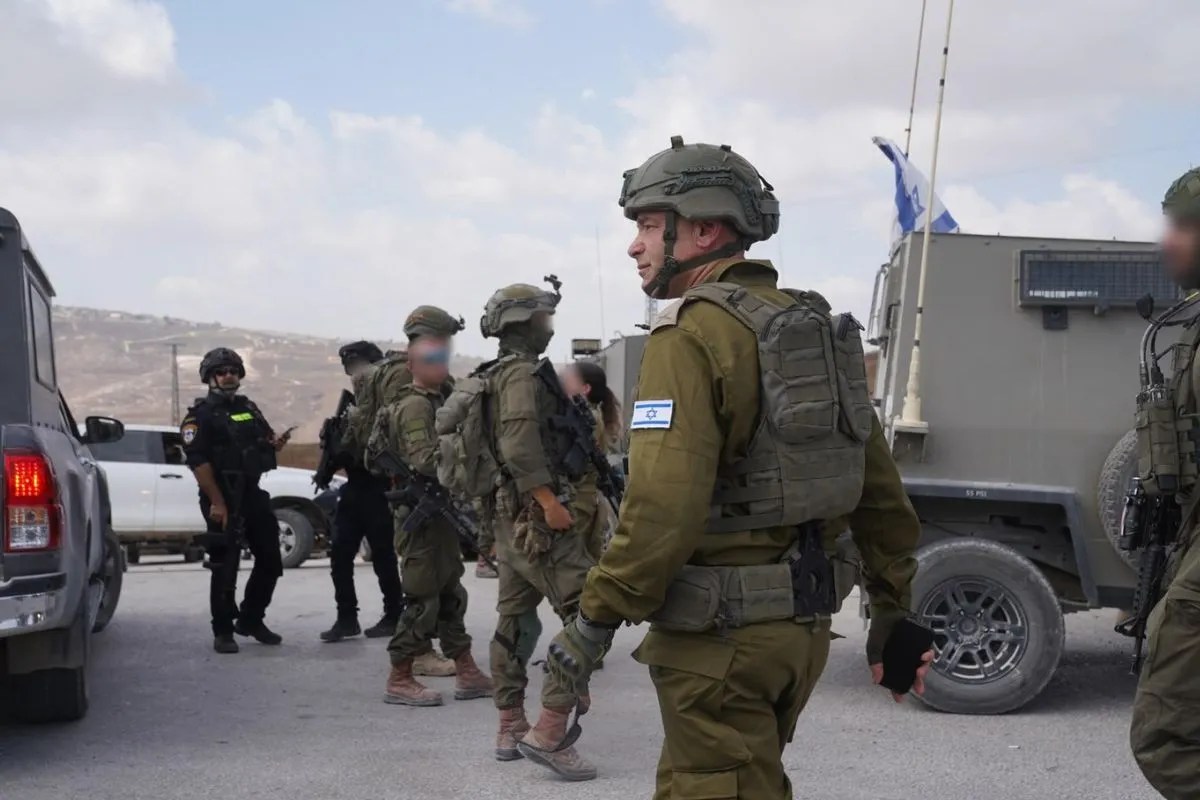
Why did these strikes happen now? The Israel Defense Forces stated that the operation was a direct response to a drone attack launched toward Israeli troops from southern Lebanon. Hezbollah maintains a heavy presence in the border regions, and retaliatory strikes have become a daily reality.
Before the bombs dropped, the Israeli military issued rapid evacuation warnings. Spokesperson Avichay Adraee utilized social media platforms to urge residents in Arab Salim to flee immediately, tagging specific buildings in red on published maps.
For families living in these towns, evacuation orders leave very little time to pack memories or valuables. You grab what you can carry and run northward, unsure if your home will be standing when or if you ever return.
The Wider Geopolitical Picture
We can't look at these localized strikes in a vacuum. Israel currently occupies roughly five percent of Lebanese territory, extending about ten kilometers past the United Nations-mandated Blue Line. This buffer zone remains a permanent flashpoint.
Every drone launch, every rocket interception, and every targeted airstrike pulls the region one step closer to an all-out war that no one seems able to stop. Diplomatic efforts stall while local populations bear the absolute brunt of the destruction.
Keep a close eye on the border. This crisis isn't resolving itself anytime soon.