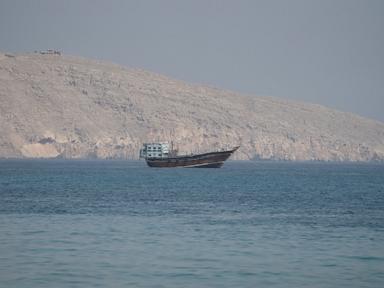
Commercial shipping lanes through the Persian Gulf are turning into a high-stakes shooting gallery once again. When a commercial tanker was struck by an unidentified projectile off the coast, causing a sudden fire on its main deck, it wasn't just an isolated maritime accident. It was a loud, flashing warning sign that the fragile status quo between Washington and Tehran is fracturing.
If you think this is just local regional posturing, you're missing the bigger picture. Behind the scenes, the threats are escalating faster than the diplomatic channels can handle.
The Escalating War of Words and Crude Oil
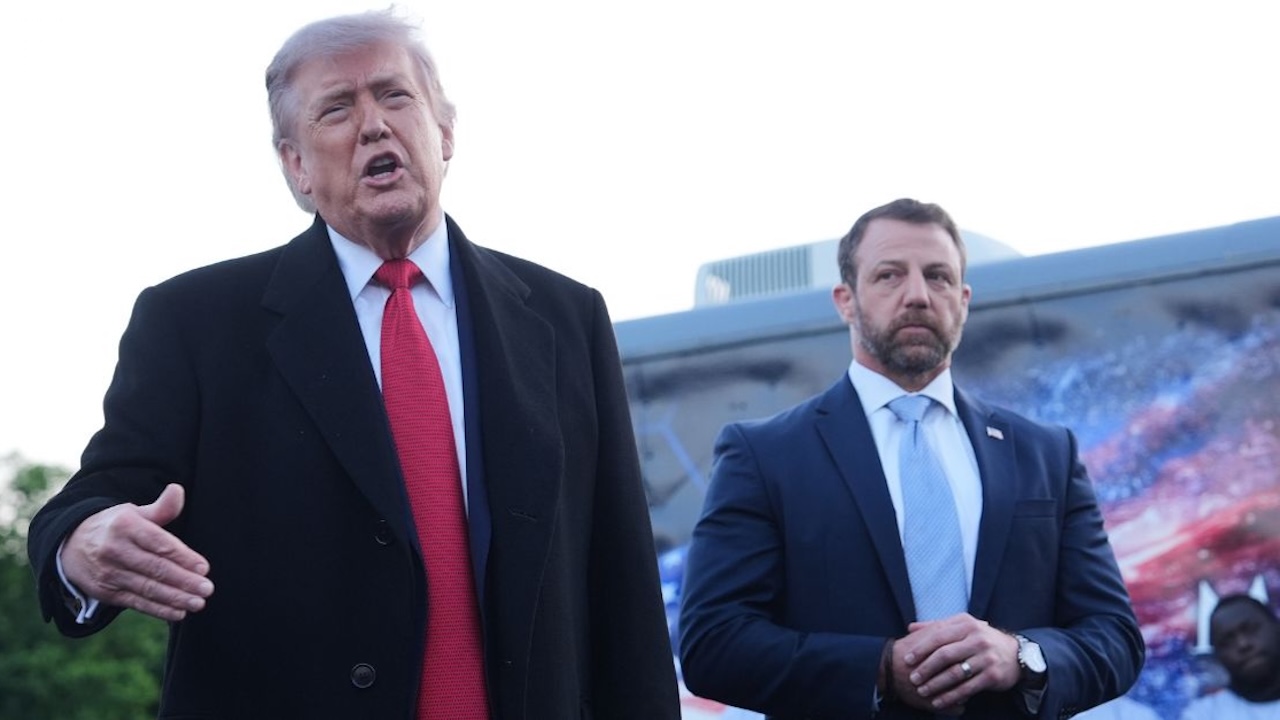
Let's look at what triggered this latest spike in anxiety. President Donald Trump recently announced what he dubbed the most crushing economic operation ever launched against a nation, aimed squarely at crippling Iran's financial lifelines. Tehran didn't stay quiet. Mohsen Rezaee, secretary of Iran's Supreme National Security Council, fired back on social media with a stark warning: Iran will not export a single drop of oil if the U.S. continues its economic war.
That is not standard diplomatic complaining. That's a direct threat to choke off global energy supplies. Tehran's Persian Gulf Strait Authority also made it clear that vessels violating their protocols face heavy fines, detention, or outright confiscation.
Why the Strait of Hormuz Remains a Chokepoint for Global Markets
Every single time tensions flare up near the Strait of Hormuz, global energy markets hold their breath. Why? Because a massive share of the world's petroleum passes through this narrow maritime bottleneck.
When tankers get hit by projectiles or harassed by fast-attack craft, insurance rates for shipping companies skyrocket overnight. Shippers face an impossible choice:
- Pay astronomical risk premiums to keep moving cargo through contested waters.
- Reverse course and abandon transit routes, stalling global supply chains.
- Wait for military escorts that may or may not arrive in time.
The recent strike reported by the United Kingdom Maritime Trade Operations (UKMTO) proves that commercial vessels are right in the crosshairs, regardless of whether international agencies try to set up alternative, safer corridors hugging regional coastlines.
What Happens Next When Deterrence Fails
We've seen this playbook before. The U.S. relies heavily on economic pressure and naval presence to keep the shipping lanes open, while Iran uses asymmetric leverage and threats over regional waters to push back against sanctions. But physical projectiles hitting commercial decks change the calculus completely. It shifts the conflict from theoretical economic warfare to kinetic damage on civilian crews and ships.
If you are tracking international trade or energy prices, keep your eyes on the insurance markets and real-time vessel tracking data coming out of the Gulf. When tankers start turning around mid-journey, the cost shows up at fuel pumps worldwide within days. Watch for immediate shifts in naval deployments and whether international maritime bodies suspend transit guidance altogether. The margin for error in the Gulf has officially vanished.