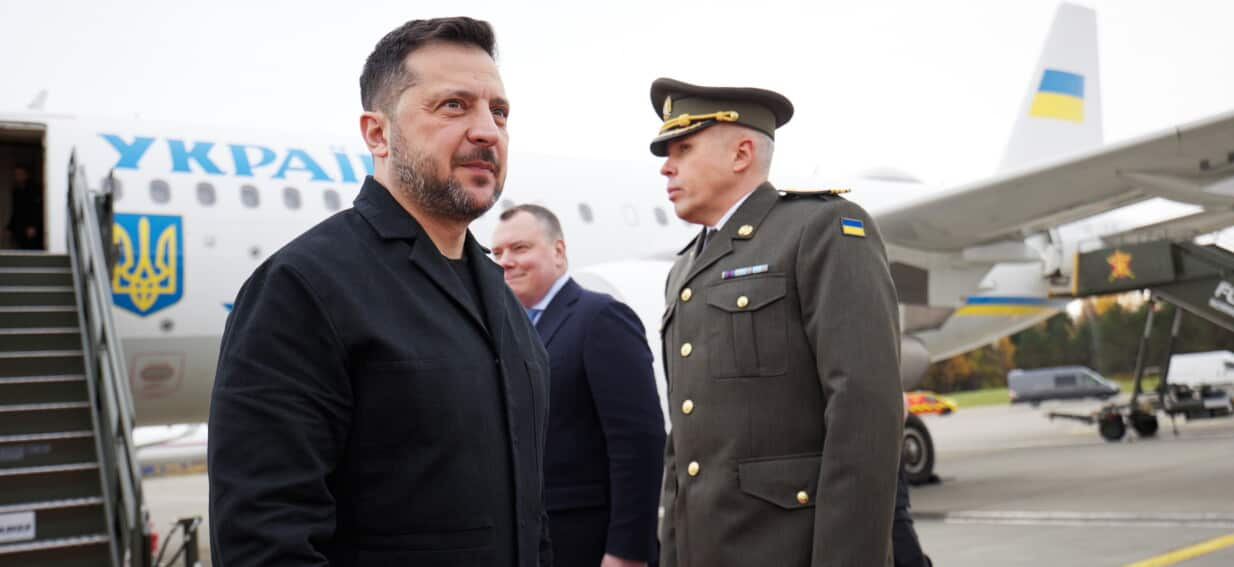
Diplomacy rarely happens in a vacuum, but the recent high-stakes gathering in Oslo laid bare a diplomatic fracture that has been widening for months. Ukrainian President Volodymyr Zelensky sat down with American envoys and European leaders under a heavy cloud of friction. The core issue isn't just about diplomatic tone anymore. It's about vital air defense equipment idling in warehouses while civilian infrastructure takes a pounding.
When you look past the official communiques, the reality on the ground is grim. Ukraine is facing severe shortages of ballistic missile interceptors. During recent virtual briefings with bipartisan U.S. lawmakers, Zelensky didn't mince words. He openly accused the Pentagon of dragging its feet on delivering Patriot interceptor systems that European partners have already paid for. According to Kyiv, these missiles are ready to ship. They're just waiting for a final signature from U.S. Defense Secretary Pete Hegseth, a bureaucratic bottleneck that Ukrainian officials argue is costing civilian lives every single day.
The Roots of the Washington and Kyiv Rift
Relations between Kyiv and the Trump administration have soured significantly over policy shifts and energy maneuvers. Tensions boiled over after Washington partially lifted certain sanctions to strike a diesel-supply deal with Russia. President Donald Trump publicly slammed Zelensky as a warmonger, criticizing Ukrainian drone strikes targeting Russian oil refineries. Trump even went so far as to suggest that Ukraine doesn't genuinely want the war to end.
You can trace the operational friction directly to tech and intelligence sharing, too. Kyiv has complained bitterly about speed restrictions and access hurdles on Starshield, the U.S. government-controlled satellite network. While the White House has denied altering network speeds or cutting off intelligence sharing entirely, the friction is palpable. U.S. Secretary of State Marco Rubio defended administration policies during his recent travels, emphasizing that Washington expects a renewed focus on finding a diplomatic end to the conflict.
What European Allies Are Facing
The diplomatic scramble in Oslo highlights Europe's precarious position in this geopolitical chess match. Several European countries are more than willing to transfer Patriot interceptor missiles straight from their own active stockpiles to Kyiv. But because these systems are U.S.-manufactured, they require formal Washington approval before they can change hands.
European leaders find themselves caught in the middle. They want to prevent further devastation of Ukraine's power grids and urban centers, yet they depend heavily on American defense alignment. Recent Russian missile and drone barrages have knocked out power grids for hundreds of thousands of civilians, leaving cities scrambling to maintain basic heating and electricity as winter approaches.
Moving Forward in a Strained Alliance
The talks in Oslo represent an attempt to rescue a fraying partnership before it breaks completely. Zelensky has repeatedly stressed that he wants open and pragmatic relations with Washington. Yet, the friction over delayed defense shipments and satellite communications shows that trust is running dangerously thin.
If Washington continues to stall on export approvals for pre-funded interceptors, Ukraine's air defense capabilities will face a catastrophic cliff. Kyiv is pushing for absolute clarity and immediate signatures, while Washington wants to force a pivot toward negotiation tables. Until those priorities align, the standoff in Oslo will merely be a prologue to tougher confrontations ahead.