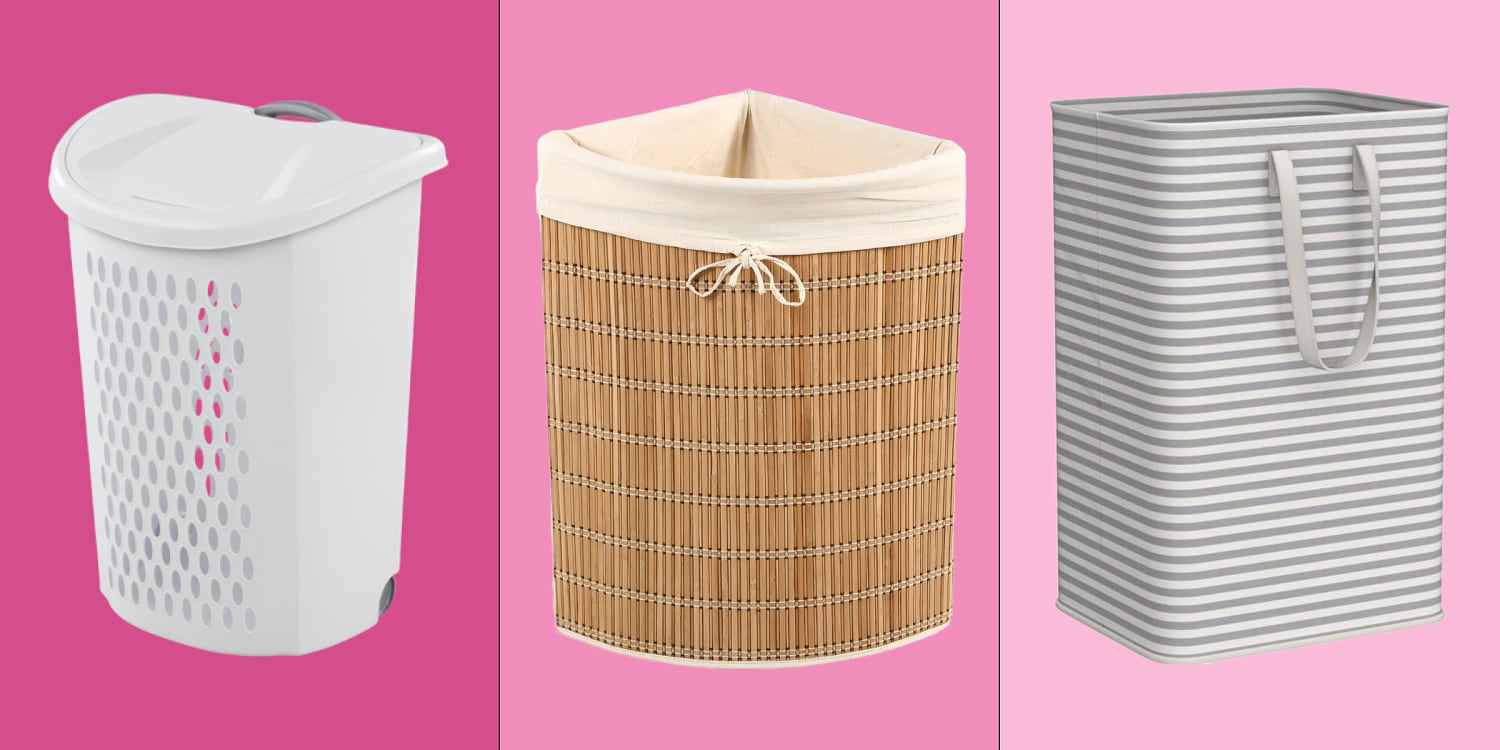
Most people buy a laundry basket based entirely on how it looks online or whether it matches their bedroom rug. That is a massive mistake. You end up with a rigid, oversized plastic bin that takes up half your closet floor, or a flimsy fabric hamper that collapses under the weight of wet towels. A professional organizer looks at things differently. They focus on workflow, human physics, and spatial reality. If your current laundry routine feels like an annoying chore, the culprit is usually your container.
Let's look at what actually matters when you're shopping for a laundry basket.
The Anatomy of a Terrible Laundry Basket
Walk down any home goods aisle and you will see decorative wicker baskets, massive three-bag rolling sorters, and trendy canvas bins. Many of them fail basic functional tests.
Tall wicker hampers look charming in photos, but they trap moisture. If you toss damp gym clothes into a deep, unventilated wicker or thick canvas bin, you are creating a breeding ground for mildew. Unless your hamper has an easily removable, washable liner, it will eventually start smelling like old sweat.
Massive multi-bag sorters are another trap. Sure, separating lights and darks right at the source sounds responsible. In reality, most people don't sort clothes on a daily basis. They cram everything into whichever compartment is closest. You end up with a giant piece of furniture taking up valuable square footage while only one bag actually gets used.
Match Your Container to Your Route
The biggest mistake you can make is ignoring your physical path to the washing machine. Where does your laundry live, and how does it travel?
If you live in a multi-story home and carry clothes down a flight of stairs, a wide, rectangular plastic basket forces you to hunch your shoulder or bang the rim against drywall. Pros look for contoured shapes that rest comfortably against your hip, like the classic hip-hold plastic baskets. They distribute weight evenly so you don't throw out your back hauling heavy jeans.
If you live in an apartment building and have to walk down a long hallway or take an elevator to a shared laundry room, rigid baskets are useless. You need a structured laundry backpack or a collapsible model with sturdy handles. Keeping your hands free to open doors and hold detergent makes a frustrating trip manageable.
Why Collapsible and Flexible Designs Win Small Spaces
Space is tight for most people. Buying a permanent, rigid hamper for a small bedroom or cramped closet means losing floor space seven days a week, even when the basket is completely empty.
Collapsible silicone or reinforced fabric baskets solve this cleanly. When they're full, they hold a massive load of laundry. When they're empty, they fold flat and slide right between the washer and the dryer or tuck away beside a door. Look for materials featuring waterproof interiors. That way, if a stray damp towel gets tossed in, moisture doesn't seep through to your floors.
Stop Overcomplicating the Process
You don't need a custom built-in laundry center to keep your home tidy. You just need a container that fits your actual habits rather than your aspirational ones.
If you do small loads frequently, buy a smaller basket. If you wait until you have zero clean underwear left, get a durable rolling hamper that can handle massive volume without snapping its frame. Assess your space, trace your steps to the washing machine, and pick a tool that reduces friction instead of adding to it.
Measure your closet space today, check your path to the laundry room, and ditch the decorative bin that isn't pulling its weight.