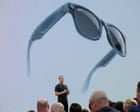
You walk past someone wearing a sleek pair of Ray-Ban sunglasses. They look entirely normal. But hidden inside the frame is a high-definition camera and a microphone streaming data, and law enforcement agencies across the United States are losing sleep over it.
Internal memos from the New York Police Department, Maine's fusion center, and federal bodies reveal a growing panic. Police aren't just worried about privacy on the street. They are terrified that Meta smart glasses are being used to map out the secure interiors of jails, scout police stations, and aid in pre-attack reconnaissance.
Let's look past the corporate marketing and examine why these cameras on faces are creating a massive security headache.
The Real Threat Inside Detention Facilities
When you think about prison security, you picture metal detectors, strict bag checks, and the total confiscation of phones or recording gear. For decades, keeping cameras out of holding cells and booking areas was straightforward because bulky phones and GoPros stood out immediately.
Meta smart glasses change the rules entirely. They look like standard prescription eyewear or designer sunglasses.
Police memos reviewed from departments nationwide show officers finding these devices slipping right past standard checkpoints. Once inside, a wearer can casually film cell layouts, camera placement blind spots, security guard patrol routines, and the faces of personnel.
If proprietary blueprints and patrol schedules leak, the physical security of a detention facility evaporates. That is the nightmare scenario keeping counterterrorism units awake at night.
Scouting Attacks Hands-Free
Law enforcement concerns go beyond illegal jailhouse videos. Intelligence units point to concrete instances where wearable tech became part of violent plots.
For instance, federal investigators noted that prior to the tragic New Year's Day attack in New Orleans, an attacker cycled through crowds wearing Meta smart glasses to scope out the area.
Traditional surveillance requires holding a smartphone or a camera, which draws attention in high-security zones. Smart glasses remove that friction completely. An individual can walk down a street, look straight ahead, and record high-definition video or stream an environment hands-free.
Intelligence briefings from agencies like the Department of Homeland Security's joint counterterrorism assessment team highlight that bad actors can use these wearables for seamless, inconspicuous target reconnaissance.
The Flawed Defense of the Blinking Light
Meta defends its hardware by pointing to a simple physical safeguard: a tiny white LED light on the corner of the frame that blinks whenever a photo or video is captured. The company insists the glasses are designed to be noticed and that tampering with the indicator disables the camera.
In practice, that defense is cracking.
Critics and privacy advocates point out several loopholes:
- Users have found clever workarounds to bypass or mask the indicator light without triggering a shutdown.
- Modern AI-powered features can use the camera to analyze surroundings or answer queries without activating the traditional recording gallery light in the exact same way.
- In fast-moving public spaces or crowded holding rooms, a tiny blinking light is easily missed by anyone who isn't staring directly at the wearer's face.
Government agencies are reacting swiftly to these gray areas. Immigration and Customs Enforcement (ICE) officially classified smart glasses as body-worn cameras, banning them entirely from federal workspaces to prevent accidental transmission of sensitive data. Courts across New York State and global venues have enacted outright bans.
The Irony of Surveillance Pushback
Critics of law enforcement point out a heavy dose of irony in these police warnings. Agencies like the NYPD and federal immigration offices deploy extensive facial recognition networks, automated license plate readers, and street-level surveillance cameras to monitor the public daily.
When the tables turn and ordinary citizens possess the tools to record authorities right back, departments label it a counterintelligence threat.
As wearable technology continues to advance, the friction between absolute privacy, public oversight, and facility security will only intensify. Meta might build better software updates to lock down hardware indicators, but the genie is already out of the bottle.
If you manage a secure facility or a private business, don't wait for a security breach. Update your entry protocols today to treat smart eyewear with the exact same scrutiny as any other recording device.


