Walk down the National Mall in Washington, D.C. right now, and you will notice something different. The water in the Lincoln Memorial Reflecting Pool is back. After months of intense public ridicule, swampy green algae outbreaks, peeling blue polyurea coatings, and fierce political finger-pointing, President Donald Trump officially reopened the historic landmark.
If you only caught the headlines, it looked like a silly seasonal mishap. Millions of dollars spent, a botched quick-fix paint job, and internet jokes comparing the murky green water to a swamp. But scratch beneath the surface of the concrete and you find a stark look at how federal infrastructure projects actually work—or fail to work—when political timelines collide with bureaucratic reality.
The High Cost of Haste on the National Mall
The entire saga started with a deadline that was overly ambitious from day one. The administration wanted the massive 2,028-foot-long pool completely overhauled, repainted a striking "American flag blue," and ready for visitors ahead of major national milestone celebrations. To make it happen quickly, a no-bid contract went straight to a private coating firm that had previously handled work on a private golf property.
That speed came with heavy consequences. Almost immediately after the June completion, a punishing summer heat wave hit Washington. The dark blue interior lining absorbed massive amounts of solar heat. Within days, explosive algae blooms turned the iconic monument's foreground into a thick, green soup. Chunks of paint began to peel away from the concrete floor, sparking a wave of online mockery and public criticism over wasted taxpayer money.
Instead of acknowledging that hasty engineering and aggressive summer temperatures clashed, officials offered a different explanation. Blame was shifted toward alleged acts of vandalism, claiming individuals had caused massive structural tears in the lining. Independent observers and lawmakers quickly pushed back, pointing out that the National Mall features continuous security monitoring. Eventually, legal filings and structural reviews exposed the reality: the renovation was rushed, the materials struggled under thermal stress, and the problems were entirely operational.
Accusations of Neglect and the Politics of Public Spaces
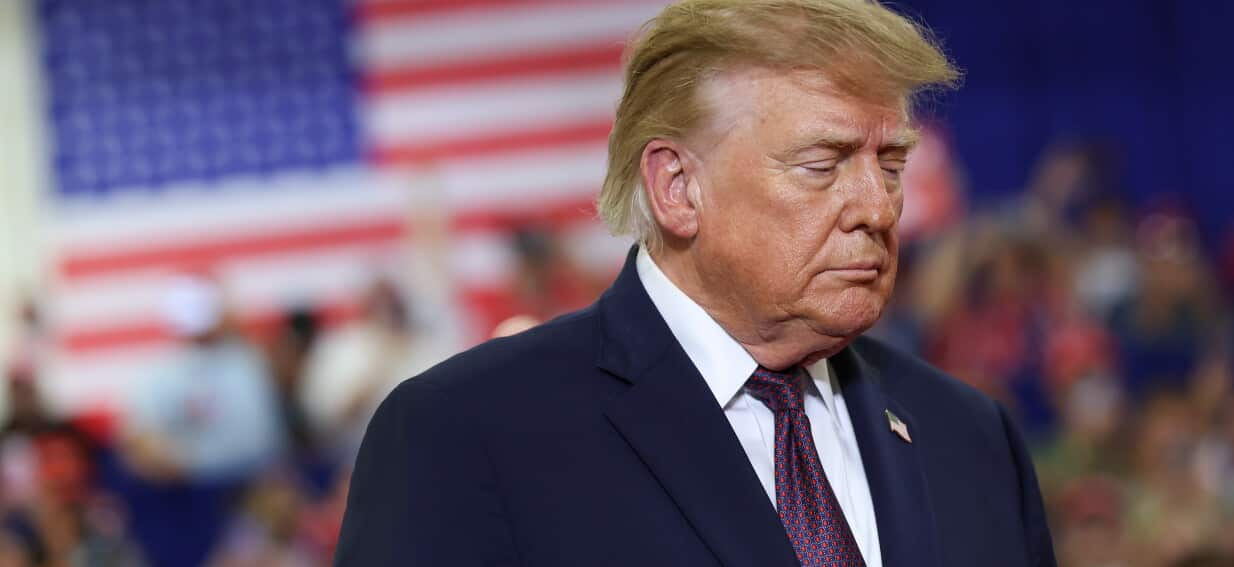
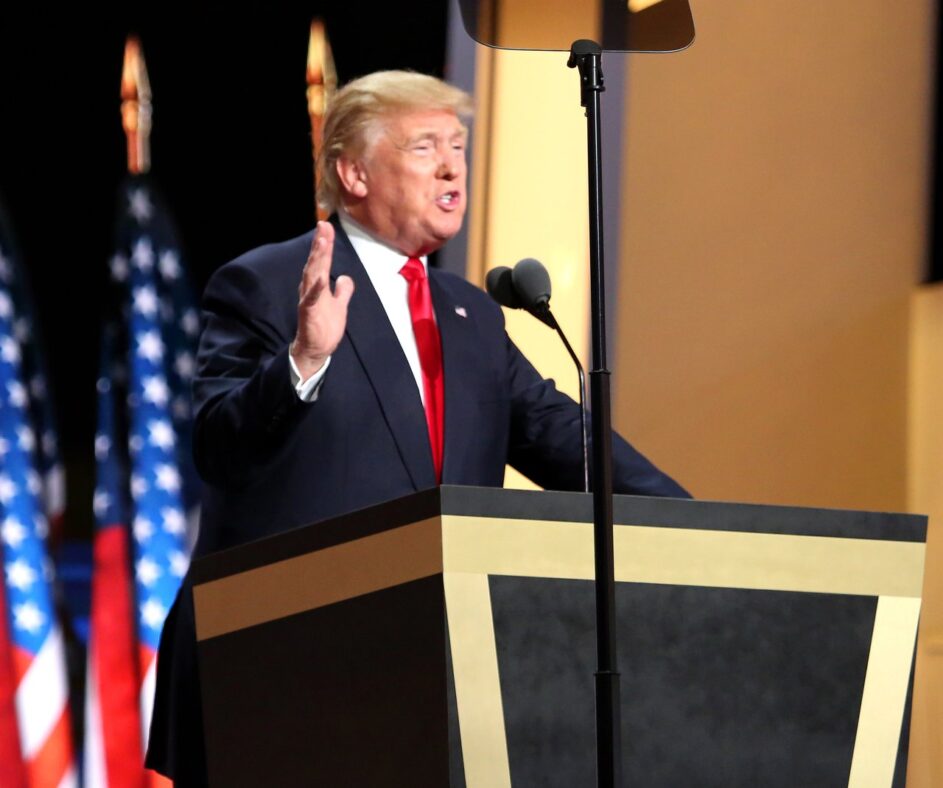
During the official reopening ceremony on the National Mall, Trump didn't hold back. Standing before the newly cleared waters reflecting the Washington Monument once again, he pivoted hard toward political messaging. He laid direct blame on past presidential administrations, accusing them of allowing the nation's capital to slide into a state of structural decay and general neglect.
"We went through a lot," Trump told the crowd, praising the Department of the Interior for pulling off the final cleanup. He even tossed out a quick, tongue-in-cheek suggestion about renaming the massive water feature after himself, before immediately cautioning reporters in the press pool not to take the playful jab literally.
Behind the political theater lies a genuine public frustration. Washington D.C. occupies a strange space in American governance. It belongs to the nation, yet its day-to-day upkeep depends entirely on federal prioritization and funding. For decades, monuments, parks, and water systems across the capital have faced cyclical maintenance crises. Congress fights over budgets, federal agencies get bogged down by red tape, and historic landmarks routinely wait years for basic rehabilitation.
What the Reflecting Pool Debacle Teaches Us About Infrastructure
The lesson of the Lincoln Memorial Reflecting Pool isn't just about paint or algae. It highlights a recurring issue in public works: shortcuts rarely save time or money in the long run.
- Bypassing standard competitive bidding creates blind spots. When traditional engineering reviews are skipped to meet political deadlines, quality control suffers.
- Climate and materials matter. A shallow, open-air body of concrete exposed to intense mid-Atlantic summer heat requires specialized ecological management, not just a fresh coat of paint.
- Transparency builds trust faster than deflection. Blaming phantom vandals for peeling paint only invited deeper scrutiny, whereas owning up to technical failures allows projects to move forward cleanly.
The pool is filled, the water is clear, and millions of annual visitors can once again capture that classic photo framing Lincoln and the obelisk. Whether this fix holds up through future seasonal changes remains to be seen. But the next time a politician promises a quick cosmetic fix to decades of urban neglect, look at the bottom of the pool before you cheer.