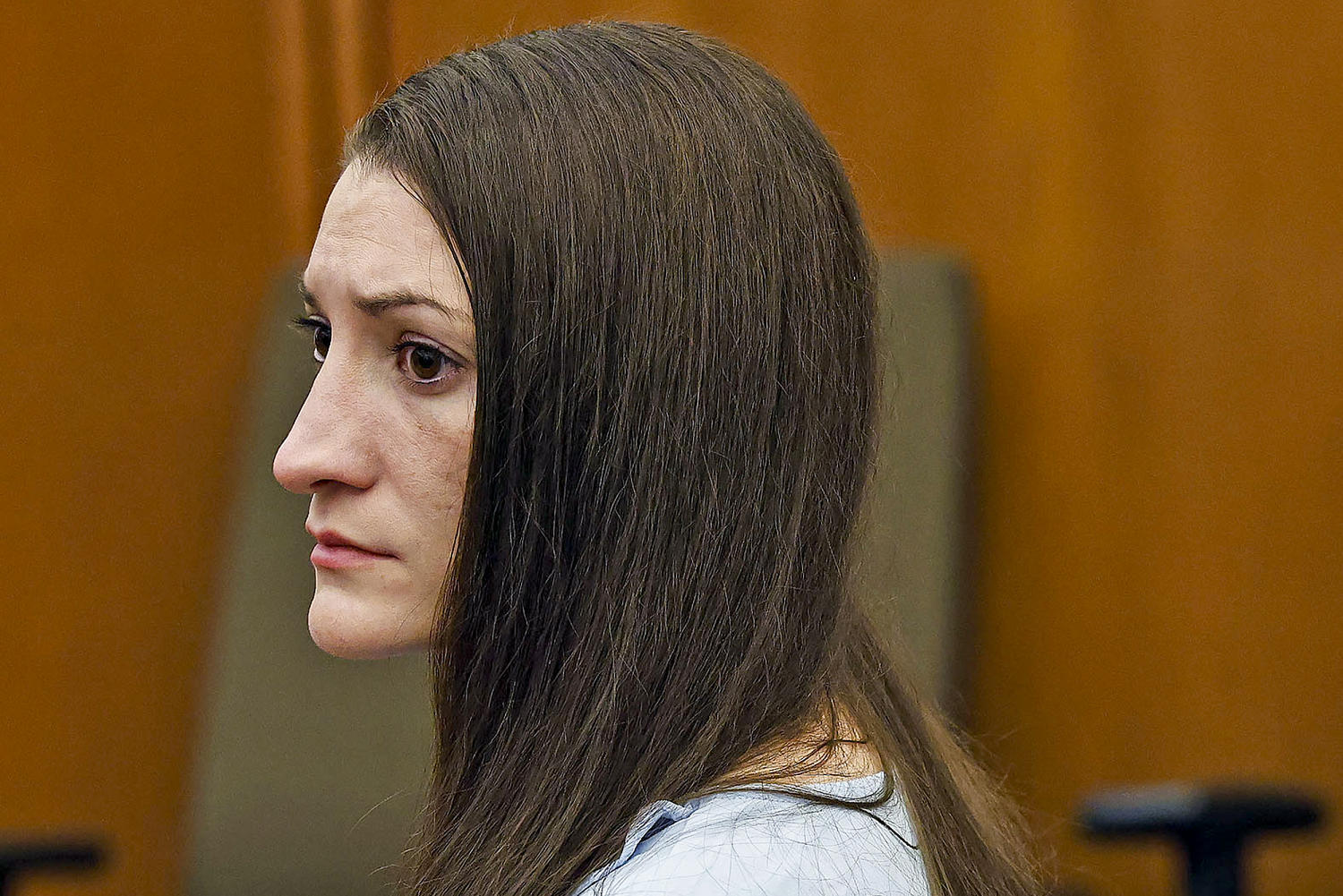
Seven days. Thirty-eight hours behind closed doors. Two deadlock notes sent to a judge who could only watch as an 11-to-1 split tore the jury apart. When Plymouth Superior Court Judge William Sullivan finally declared a mistrial in the Lindsay Clancy murder case, it brought a staggering halt to one of the most emotional, high-profile criminal trials in recent memory. If you've been following the headlines, you know Clancy didn't deny killing her three young children in Duxbury, Massachusetts, back in January 2023. Instead, the entire trial boiled down to a single, brutal legal question: was she a mother suffering from a catastrophic break due to postpartum psychosis, or was she a cold-blooded killer who planned the murders?
The jury couldn't agree. And their failure to reach a verdict reveals everything that's broken, complicated, and deeply human about how we try society's most agonizing cases.
The Anatomy of a Deadlock
Most trials don't stall out for seven full days unless the jury is grappling with an existential conflict. In Clancy's case, the 12-person panel had five distinct verdict options ranging from first-degree murder to not guilty by reason of insanity. Prosecutors spent weeks arguing that she meticulously planned the deaths, sending her husband out for takeout and medicine so she could carry out the acts. The defense countered with a mountain of psychiatric evidence, painting a devastating picture of an overmedicated, deeply ill woman who simply lost touch with reality.
Behind closed doors, the pressure cooker boiled over. The jury foreperson sent multiple notes indicating an impasse, eventually spotlighting a lone holdout. According to subsequent statements from jurors, an 11-to-1 majority believed Clancy was not guilty by reason of insanity, convinced by her journals and the overwhelming medical testimony regarding her mental collapse. But one juror dug in their heels. Defense attorney Kevin Reddington argued frantically that the holdout was refusing to follow the court's instructions on reasonable doubt, even accusing the individual of lying under oath.
Judge Sullivan refused to remove the juror. Stepping into the private mechanics of jury deliberations to police an individual's vote is a slippery slope courts try hard to avoid. If judges can purge a juror just because the majority complains they're being stubborn, the entire foundation of independent jury service crumbles.
What Most People Get Wrong About a Mistrial
A mistrial is not an acquittal, and it's certainly not a win for anyone involved. It's a reset button.
When a jury hangs, it means the state failed to meet its burden of proof to the degree required by law, but it also means the defense failed to convince every single person in the room. The slate gets wiped clean. Plymouth County District Attorney Timothy Cruz now holds the cards on whether to roll the dice on an entirely new trial with a fresh jury, or to pivot toward a different legal strategy. Meanwhile, Clancy remains confined under psychiatric care at Tewksbury State Hospital, carrying the unbearable weight of her actions and her survival.
Public reaction has been predictably polarized. Some people view the mistrial as a miscarriage of justice that let a confessed killer escape a definitive verdict. Others see the 11-to-1 split as proof that the state overreached by pushing for first-degree murder against a woman whose brain was fundamentally broken by severe postpartum mental illness.
The Broader Fallout for Maternal Mental Health
Beyond the courtroom drama, this trial forced a national spotlight onto a terrifying medical reality that the legal system is woefully unequipped to handle. Postpartum psychosis isn't just postpartum depression. It's an acute psychiatric emergency involving hallucinations, delusions, and a total detachment from reality.
When a medical crisis leads to horrific tragedy, forcing a binary criminal justice framework onto the situation feels entirely inadequate. Jurors reported crying while re-listening to the 911 call, grappling with the agonizing contradiction of a mother who deeply loved her children yet destroyed them during a psychotic break. The trial exposed how poorly our institutions understand, recognize, and treat severe postpartum psychiatric episodes before they reach a fatal tipping point.
Where Things Stand Now
The legal battle isn't over. Prosecutors can try her again, defense teams can angle for alternative resolutions, and civil actions against medical providers loom on the horizon. But the seven-day stalemate leaves us with a grim takeaway. Sometimes, a tragedy is so immense and so complex that a standard courtroom cannot manufacture a neat moral conclusion.
Pay attention to how the district attorney handles the next charging steps, because this fight over accountability and mental illness is far from finished.