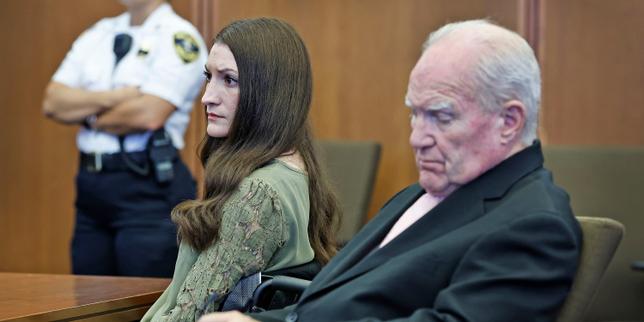
When a jury splits eleven to one on a murder verdict, it means the legal system has collided head-on with human tragedy and refused to budge. The high-profile murder trial of Lindsay Clancy ended in a mistrial after seven days of grueling deliberations because twelve people couldn't agree on a single, agonizing question. Did postpartum psychosis completely rob a mother of her mind, or did she execute a deliberate plan to kill her three children?
If you've been following this case out of Massachusetts, you know the facts are horrific. In January 2023, Clancy strangled her three young kids—Cora, Dawson, and Callan—in their Duxbury home before attempting suicide by jumping from a second-story window. She survived, but the fall left her permanently paralyzed. The defense didn't deny she did it. Instead, they argued she was legally insane due to a catastrophic collapse of her mental health following childbirth.
Prosecutors wanted a first-degree murder conviction, arguing she planned the killings by sending her husband out to pick up medicine and dinner. Jurors spent over five weeks listening to medical experts, family members, and heartbreaking audio of the 911 call. In the end, eleven jurors were ready to acquit her on grounds of lacking criminal responsibility. One lone juror refused.
The Inside Story of an 11-1 Deadlock
Jury rooms are notoriously opaque, but once the mistrial was declared, several jurors broke their silence. Foreperson Roni Carlson and juror Paula Devlin spoke openly about what went wrong behind closed doors. According to Carlson, the group reached a point where they thought they had persuaded everyone. The holdout juror even admitted he had reasonable doubt about her state of mind.
Then came the baffling twist. Carlson recalled filling out the verdict forms with excitement, only for the holdout to say he still wouldn't vote not guilty by reason of insanity. Jurors described him as stubborn and unwilling to engage with the evidence, including expert testimony about "altruistic filicide"—a psychiatric term describing cases where a severely psychotic parent kills their children out of a delusional belief that they are saving them from suffering.
Clancy’s defense attorney, Kevin Reddington, didn't mince words after the judge declared a mistrial. He argued that the other eleven jurors were robbed of a final verdict by one man's agenda. Judge William Sullivan ultimately had no choice under Massachusetts law but to declare a mistrial, as criminal verdicts demand absolute unanimity.
Why the Postpartum Psychosis Defense Divides Public Opinion
This case triggers intense polarization because it forces society to look at the dark, unvarnished reality of severe perinatal mental illness. Most people understand postpartum depression as a bout of heavy sadness or anxiety. Postpartum psychosis is something entirely different. It is a psychiatric emergency marked by hallucinations, severe delusions, and a total detachment from reality.
Prosecutors leaned heavily on the logistics. They pointed out that Clancy managed her time, sent her husband out of the house, and acted with purpose. To a prosecutor, that looks like premeditation. To defense psychiatrists and the eleven jurors who voted to acquit, it looked like the erratic, desperate actions of a woman whose brain was completely hijacked by disease.
The trial exposed how poorly equipped our judicial framework is when handling complex psychiatric conditions. Juries are asked to look backward into a moment of pure madness and apply a legal test designed centuries ago. Did she know right from wrong? When someone is experiencing active psychosis, traditional definitions of "knowing" start to blur into meaninglessness.
What Happens Next in the Legal Battle
The mistrial does not mean Lindsay Clancy is a free woman. It simply means the scoreboard is reset. Prosecutors in Plymouth County have not yet announced whether they will push for a brand-new trial. A status hearing is already set for late September to map out the next steps.
If they decide to try her again, the state will have to re-prosecute the entire case, putting the surviving family members and the jurors through another grueling cycle of emotional testimony. Meanwhile, Clancy remains confined under court supervision as her defense team seeks alternative avenues to clear the charges based on the insufficiency of evidence regarding her criminal responsibility.
The legal system demands black-and-white answers to questions that live entirely in the grayest shadows of human psychology. Until the courts find a better way to address the reality of severe mental breakdowns after childbirth, cases like this will continue to end in bitter deadlock.


