When a group of activists starts using crowbars, red paint, and break-ins to target military assets, the state stops seeing them as a nuisance and starts looking for heavier legal hammers. That is the core conflict driving the intense legal saga of Palestine Action. Founded as a direct-action network to disrupt arms manufacturers connected to Israel, the group has pushed British courts and lawmakers into uncharted territory.
The central question isn't just about what a few protesters did to a building or an airplane. It is about how far a democratic government can go when labeling aggressive civil disobedience as terrorism. In other updates, we also covered: The Human Cost Behind The Riyadh Airport Attack Aftermath.
From Direct Action to Proscription
Palestine Action didn't start out facing terrorism laws. For years, they operated like a radicalized environmental or anti-war faction, occupying roofs, smashing windows, and throwing red paint at facilities belonging to defense contractors like Elbit Systems. Their stated goal was simple: halt the production and supply of military equipment bound for foreign conflicts.
Things changed drastically after an incident at RAF Brize Norton, where activists allegedly used crowbars and paint inside aircraft engines. The government reacted swiftly. The Home Secretary invoked powers under the Terrorism Act 2000 to proscribe Palestine Action entirely. NBC News has analyzed this important topic in extensive detail.
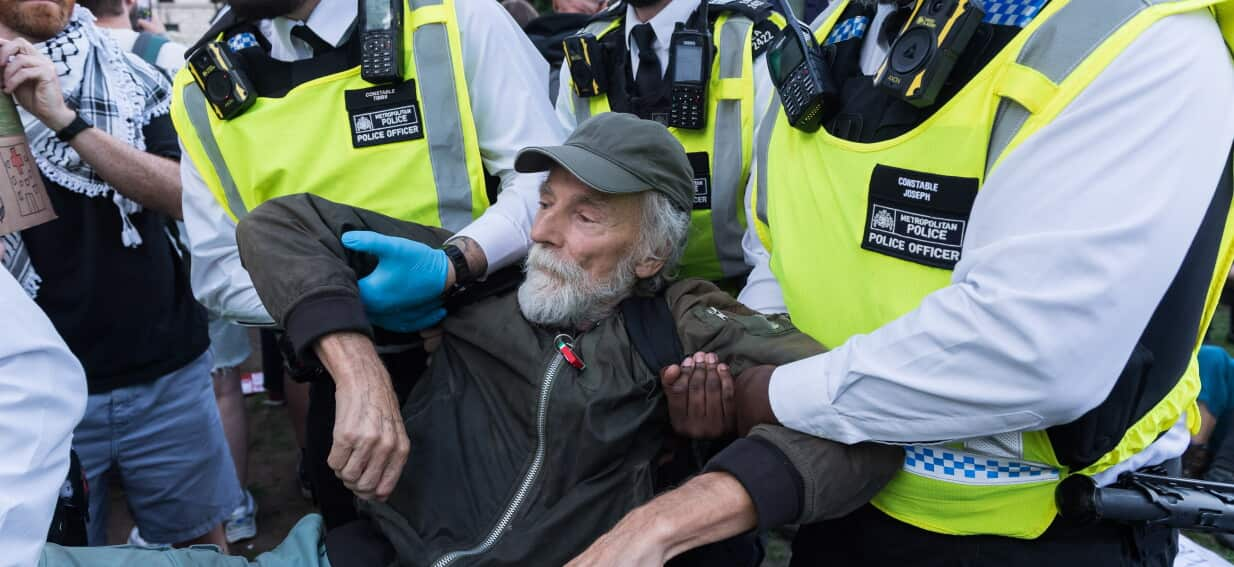
That single decision transformed everything. Overnight, belonging to the group, supporting them publicly, or even carrying items that suggested backing them became a serious criminal offense carrying a maximum sentence of up to 14 years. Protesters who once faced minor criminal damage charges or short public-order sentences suddenly found themselves wrestling with the stigma and legal gravity of terrorism laws.
The Ping-Pong Battle Through the Courts
If you have been following the headlines, the legal back-and-forth looks like a tennis match played by constitutional lawyers.
Co-founder Huda Ammori launched an immediate judicial review challenge against the ban. Initially, the Divisional Court agreed with the activists, ruling that the proscription was unlawful because it interfered too heavily with human rights protections regarding free expression and assembly, while also straying from the government's own published policies.
That victory for the group was short-lived. A five-judge Court of Appeal reversed that decision, declaring the proscription a proportionate and justified interference given the severity of the property damage involved.
Now, the battle has landed on the doorstep of the Supreme Court. Legal teams are drawing historical parallels, pointing out that tactics used by groups like the suffragettes decades ago involved severe property destruction to force political change. On the other side, government lawyers argue that once direct action crosses into disabling critical military infrastructure, standard protest protections no longer apply.
Why This Matters for Everyone Else
You might look at this and think it is just an extreme fringe issue involving radical activists and military bases. It isn't. The precedent being set here ripples outward to every form of protest in the UK.
When property destruction or aggressive disruption is categorized as terrorism, the threshold for clamping down on dissent shifts dramatically. Civil liberties groups have warned that this approach threatens legitimate advocacy, leaving ordinary demonstrators exposed if their tactics irritate the wrong authorities. At the same time, the state faces mounting pressure to secure critical defense installations and prevent costly operational disruptions.
The Supreme Court's final word on this case will redefine the boundaries of political expression in Britain. Until then, the line separating a passionate protest group from a banned terrorist organization remains razor-thin and fiercely contested.
This video provides an overview of the historic sentencing of Palestine Action activists under terrorism enhancements.