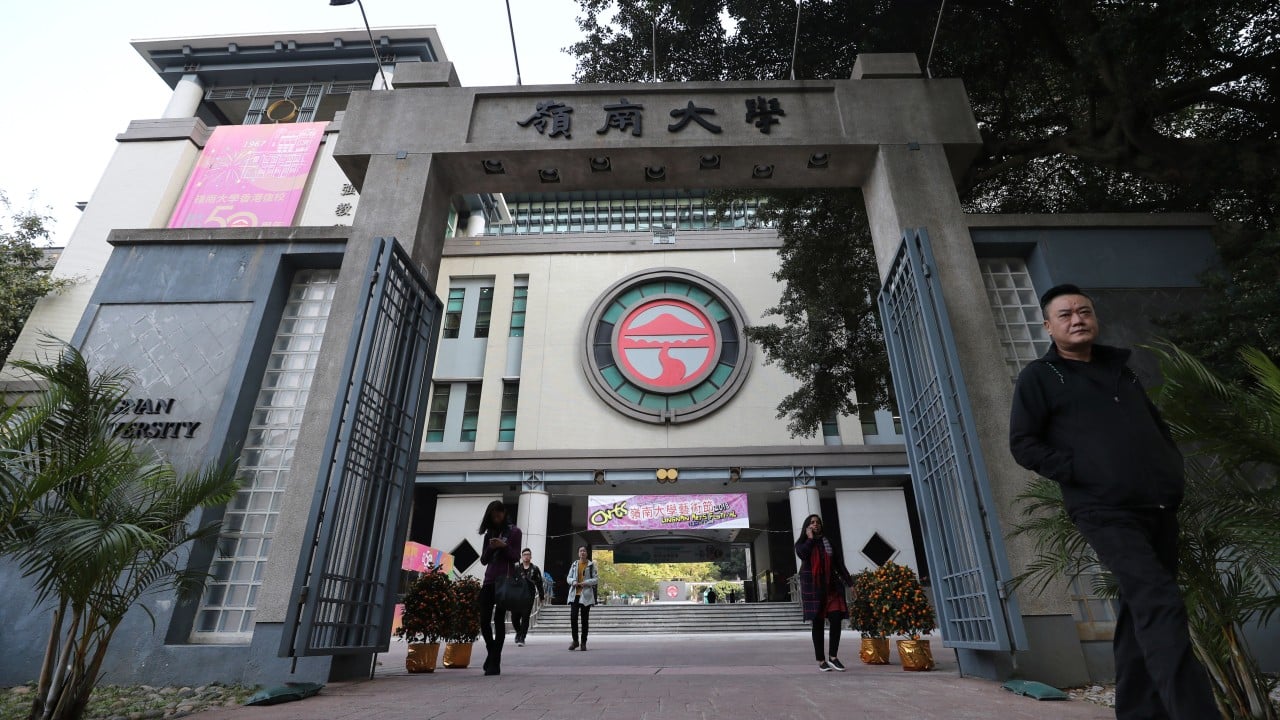
An era of campus autonomy has officially drawn to a close in Hong Kong. The student union at Lingnan University has voted to disband, ending nearly sixty years of continuous operation and shrinking the number of active campus representative bodies across the city's publicly funded universities down to just two.
If you've been tracking the shifting boundaries of higher education in the city, this move isn't shocking, but it marks a grim milestone. Let's look at what actually happened, why it matters, and how campus culture is transforming beyond recognition.
The End of an Era at Tuen Mun
Late on August 6, the Lingnan University Students' Union (LUSU) posted a brief announcement on social media. They didn't offer a sprawling manifesto or a dramatic public protest. Instead, they pointed squarely to "changes in circumstances inside and outside school" as the driving force behind the resolution to dissolve.
Operating since the late 1960s, LUSU used to run orientation camps, manage campus facilities, publish student media, and act as a collective voice for undergraduates. Now, all of that history is packed away.
The union's closure highlights a broader reality across Hong Kong's tertiary sector. Over the past few years, university administrations and student bodies have drifted into entirely new operating models. When institutions like the Chinese University of Hong Kong (CUHK) and others began forcing student groups to register independently under the Societies Ordinance or severed official ties entirely, the writing was on the wall. Independent legal liability and heightened administrative scrutiny changed the risk calculus overnight. Running a student union used to mean organizing concerts and debating tuition hikes. Latterly, it meant navigating complex legal liabilities that most undergraduates aren't equipped to handle.
What Only Two Surviving Student Unions Tell Us
With Lingnan stepping aside, only a tiny fraction of Hong Kong's eight publicly funded universities retain active, traditional student unions. Most campuses have replaced traditional student representation with direct university-managed administrative committees or functional departments that handle student welfare without the political friction.
You might wonder why this matters to anyone outside of academia. Student unions have historically served as the primary training ground for civic leadership, public speaking, negotiation, and project management. When you strip away independent student governance, you remove the friction that teaches young adults how to organize, compromise, and advocate for peers.
Universities will argue that student welfare remains untouched. Administration-led boards can hand out grants, run orientation events, and manage club budgets just fine. But they cannot replace the autonomy of a body chosen entirely by students, answerable only to students.
The Broader Shift in Hong Kong Campus Life
Campus life across the city looks completely different compared to a decade ago. Gone are the days of fiery, multi-candidate elections, wall-to-wall campaign posters covering campus bridges, and fierce debates over local social issues.
Instead, universities are steering student bodies toward academic excellence, career readiness, and national integration initiatives. Mandatory courses featuring national security education and global perspectives have become standard. The administration's priority is clear: maintaining a stable, compliance-first educational environment where institutional liability is kept near zero.
For current students, the practical impact is immediate. If you want to advocate for better dining hall options, housing adjustments, or fee structures, your avenues are now restricted to formal university channels rather than an empowered, independent student union. You have to work through bureaucratic channels that prioritize institutional consensus over loud advocacy.
Moving Forward Without Traditional Representation
The closure of Lingnan's student union isn't an isolated headline. It's part of a systemic realignment of civil society institutions in Hong Kong that has steadily reshaped professional associations, trade unions, and now, campus organizations over the past several years.
If you are a student or a parent looking at higher education options in the region, accept this new normal. Independent student politics on Hong Kong campuses is effectively a thing of the past. Success in modern university life relies on building individual networks, participating in faculty-approved professional societies, and mastering the official institutional channels to make your voice heard.
The landscape has changed permanently. Adapt to the new rules or risk fighting battles that no longer exist on paper.