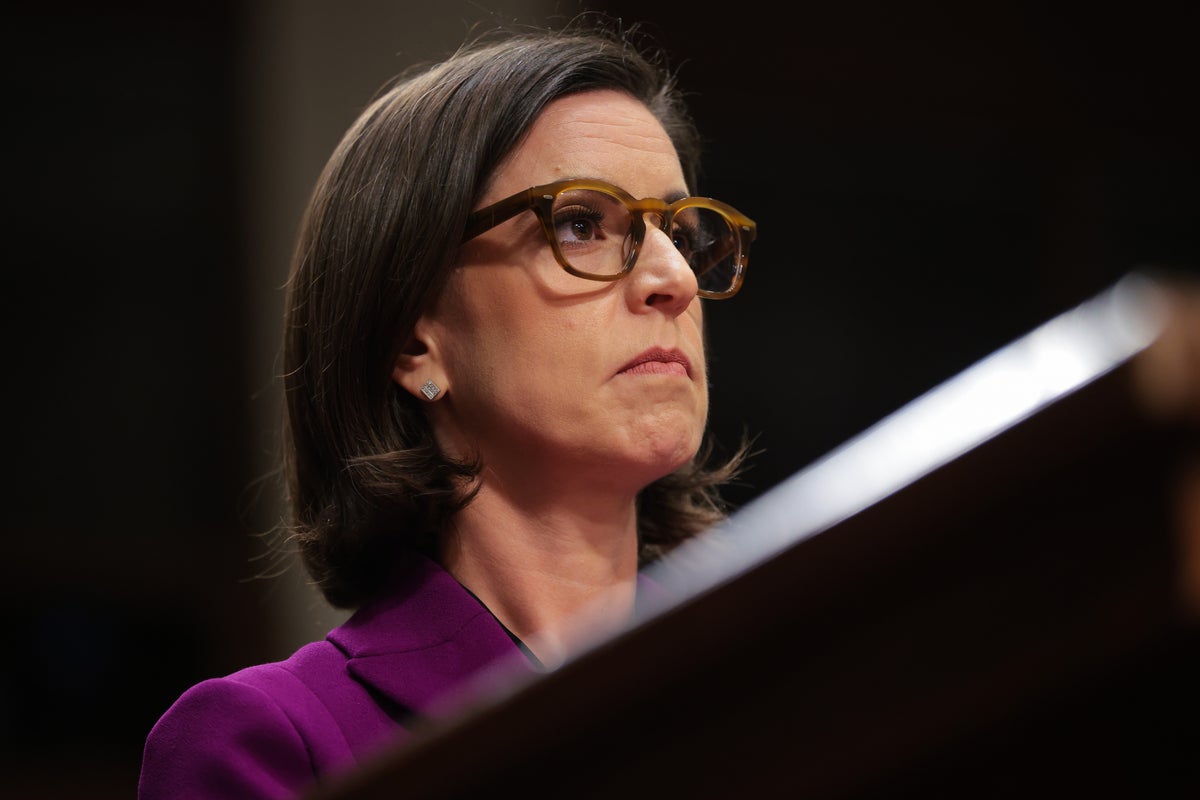
Bureaucrats rarely make good martyrs. Yet former U.S. Pardon Attorney Liz Oyer is currently stepping into that exact role with a lawsuit that lays bare the raw, unfiltered friction between political loyalty and civil service independence.
Oyer filed a federal lawsuit in Washington, D.C., alleging she was axed from her post simply because she refused to rubber-stamp the restoration of gun rights for Hollywood actor Mel Gibson. The complaint targets the Department of Justice and names high-level pressure tied to the orbit of the Trump administration. If you think the administrative state runs on quiet paperwork and boring precedent, this case is a rude awakening. It shows how personal relationships, executive muscle, and bureaucratic gatekeeping collide behind closed doors. For a different look, check out: this related article.
The Breaking Point Inside the Pardon Office
To understand why this lawsuit matters, you have to look at what the Office of the Pardon Attorney actually does. It is not a suggestion box. It is a rigorous vetting engine designed to process clemency and firearm rights petitions according to strict internal guidelines, background checks, and public safety standards.
When Oyer served in the role from 2022 through March 2025, her job was to say no to most applicants. The system is built that way on purpose. Clemency and rights restorations are meant to be heavy lifts. Further reporting on this trend has been shared by Wikipedia.
According to court filings, the friction started when staff working under then-Deputy Attorney General Todd Blanche pushed Oyer to add Mel Gibson to a priority list for firearm rights restoration. Gibson had previously pleaded no contest in 2011 to a misdemeanor battery charge involving his former partner. Under standard DOJ protocols, such a history requires thorough scrutiny and often disqualifies applicants from fast-tracked relief.
Oyer balked. She argued that bypassing standard vetting procedures for a high-profile figure with direct ties to political circles violated the integrity of the office.
The Pressure Campaign and the Quick Termination
Bureaucracy moves slowly until someone important gets impatient. Court documents allege that a Blanche staffer contacted Oyer and applied direct pressure, utilizing a tone that suggested she would be wise to fall in line.
Oyer didn't budge. On March 7, 2025, she issued an official memo to the attorney general's office declining to recommend the restoration of Gibson's firearm rights.
The retaliation was immediate. Oyer was terminated the exact same day, stripped of her position without the kind of procedural notice typically afforded to career civil servants. Since then, her appeal to the Merit Systems Protection Board has languished in procedural limbo, leaving her with federal court as her primary battlefield.
Attorney General Todd Blanche has publicly distanced himself from the specific decision during confirmation hearings, testifying that he knew nothing about Mel Gibson or the recommendation letter when the firing occurred. Meanwhile, Justice Department defenders point out that Oyer had her own critics. During her tenure under the Biden administration, she faced heavy pushback from conservative lawmakers for recommending the commutation of roughly forty federal death sentences to life without parole.
The Broader Fallout Over Executive Overreach
Oyer is not going quietly. Since her dismissal, she has turned into one of the most vocal critics of how executive clemency and personnel management are handled at the highest levels of government. She testified against Blanche's confirmation, arguing that the new leadership has systematically undermined the credibility and talent within the Justice Department.
She has also publicly criticized the wider trend of granting pardons and commutations to political allies and public officials convicted of corruption. Her argument is straightforward: when the executive branch treats the Justice Department as a personal favor-granting machine, the entire system breaks down for everyday citizens who lack a celebrity name or a direct line to the White House.
This legal battle hits on a fundamental question about modern governance. Who controls the administrative state? Do political appointees have the authority to bypass career professionals when handling sensitive cases, or do civil service protections actually shield workers who refuse to follow political orders?
The courts are now tasked with answering that question. As the litigation moves forward, it will force a public accounting of how power is exercised inside the DOJ, exposing the messy reality of what happens when a career bureaucrat stands in the way of political preference. Keep a close eye on this docket. The precedent it sets will shape how federal employees navigate political pressure for years to come.