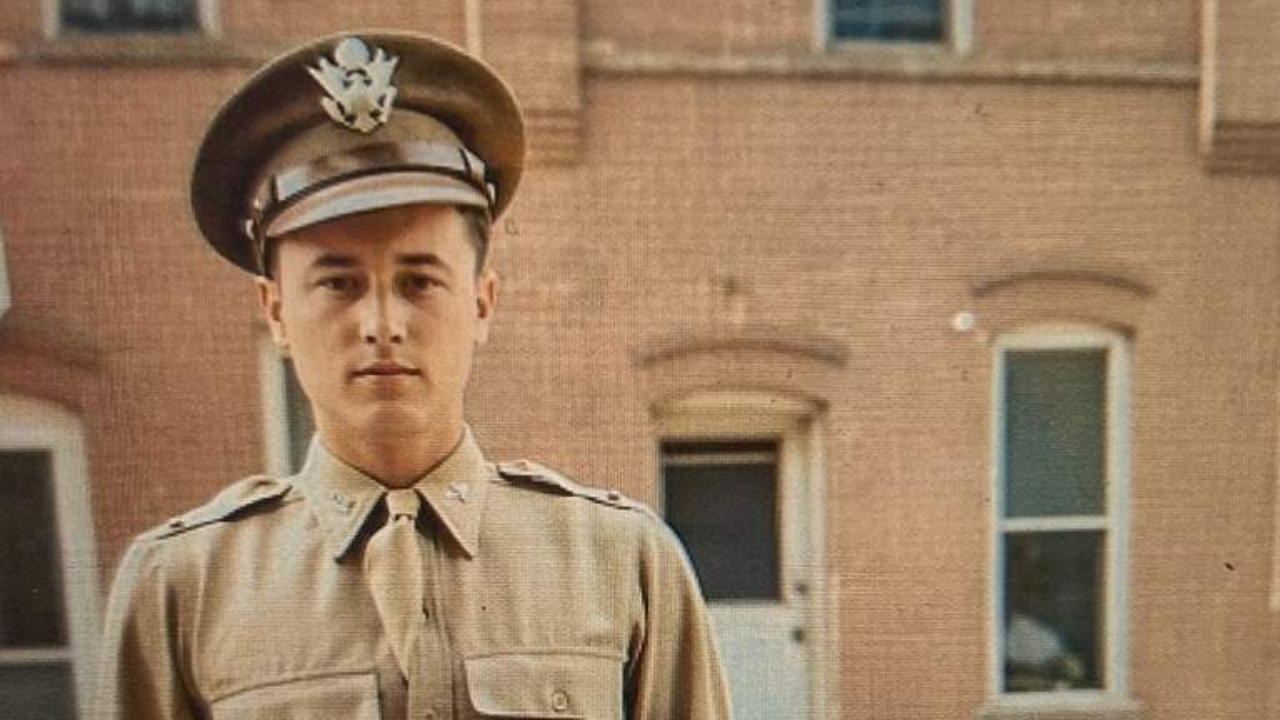
War leaves behind invisible ledgers. Decades after the guns fall silent, families keep counting the missing. Captain Marvin Lancaster vanished into the North African sky in 1942. He was only twenty-four. For more than eighty years, his fate remained locked in the sands of Egypt. Then, science caught up with history. DNA analysis bridged an eight-decade gap, bringing him home to Vanceboro, North Carolina.
You don't often think about the logistics of grief that span generations. Wars end in treaties, but they continue in living rooms where empty chairs remain waiting. When Captain Lancaster went missing, modern identification tools didn't exist. Families buried empty caskets or simply held onto fading photographs. Today, forensic anthropology and advanced DNA matching change everything. They turn nameless casualties back into sons, brothers, and human beings with stories.
The Reality of Missing Airmen in North Africa
The air war over North Africa during World War II was brutal. Pilots faced treacherous weather, mechanical failures, and hostile fire far from home. When a plane went down in the vast expanse of the Egyptian desert, recovery operations were frequently impossible. Shifting dunes swallowed wreckage within hours.
Military historians note that thousands of service members remain unaccounted for from this theater alone. Families spent generations wondering. They dealt with a unique kind of absence that never got closure. When DNA technology finally identifies a long-lost soldier, it doesn't just rewrite history books. It heals old wounds that grandparents carried to their own graves.
How Modern Forensics Identifies World War II Soldiers
Bringing a soldier home after eighty years takes immense detective work. Defense POW/MIA Accounting Agency teams comb through archives, match mission reports with crash sites, and use modern laboratory science. Bone fragments and teeth hold secrets that standard twentieth-century methods missed.
Scientists extract mitochondrial DNA and compare it against family reference samples. This process requires patience. It demands funding, persistence, and living relatives willing to provide genetic material. Every successful identification feels like beating impossible odds.
Coming Home to North Carolina
Captain Lancaster finally returned to his roots. Resting beside his parents in Vanceboro, he is no longer a statistic on a casualty list. He is a man who finished a journey that started during the height of global conflict.
Gravesides like this remind us that history is personal. Wars are fought by individuals who had favorite songs, hometown friends, and families who loved them. Remembering them keeps their sacrifice anchored in reality rather than abstract textbook chapters.
Check local archives or support organizations like the Defense POW/MIA Accounting Agency if you want to understand how missing service members are recovered today. Advocate for continued funding of forensic identification programs so other families can find the peace that Lancaster's family finally found.
World War II pilot from Vanceboro remains identified after 83 years
This video provides local news coverage regarding the identification and homecoming of Captain Marvin Lancaster's remains in North Carolina.
http://googleusercontent.com/youtube_content/1