You spend a decade building a functional life abroad, complete with citizenship, a mortgage, and a neat backyard, only to realize you are still an outsider. Then the workplace starts shifting underneath your feet.
That is the exact crossroads an Indian couple recently faced after spending eleven years living and working in Ireland. Instead of riding out the mounting corporate anxiety and the creeping waves of artificial intelligence pressure in the tech sector, they made a definitive choice. They are packing up their lives and moving back to Pune.
Their story is hitting a massive nerve across the global diaspora. It exposes a quiet migration trend that relocation spreadsheets completely fail to capture. When spreadsheets ignore the emotional weight of raising children without a village, people start rewriting their life plans.
The Reality of the Eight-to-Six Childhood
Let's talk about the daily grind of modern Western exile. If you are raising young children abroad without family nearby, your week follows a rigid, exhausting script.
Children spend their days trapped in institutional care loops. A typical day stretches from an eight o'clock crèche drop-off, through breakfast clubs and schools, straight into after-school programs ending at six in the evening. Both parents grind away at demanding jobs just to pay for the childcare required to keep those jobs.
"In Pune they walk out of school into their grandparents' home. This single picture does more work in my decision than any spreadsheet."
When you strip away the romanticized notions of first-world infrastructure, you are left with a brutal domestic reality. Cooking, cleaning, laundry, and maintenance fall entirely on the shoulders of two exhausted adults. There is no backup. There is no grandparent living down the hall to step in when a child spikes a fever.
After eleven years of managing every single domestic chore entirely alone, many tech professionals are realizing that a nice garden doesn't replace a support network.
Why the AI Wave Changed the Corporate Math
For a long time, the software and project management sectors in Europe offered a predictable trade-off. Salaries might not have hit the dizzying heights of Silicon Valley packages, but stability and work-life balance kept people anchored.
Over the last couple of years, that equation fractured.
The rapid acceleration of artificial intelligence tools and automated workflows introduced a low-grade, persistent terror into white-collar professions. Middle management and project delivery roles are feeling the squeeze. When job security becomes volatile and corporate stress multiplies, people naturally re-evaluate why they are enduring hardships thousands of miles away from home.
Why tolerate a high-stress corporate environment in a country where you don't even feel culturally rooted when you could face similar work pressures closer to your family?
The Myth of Permanent Roots Abroad
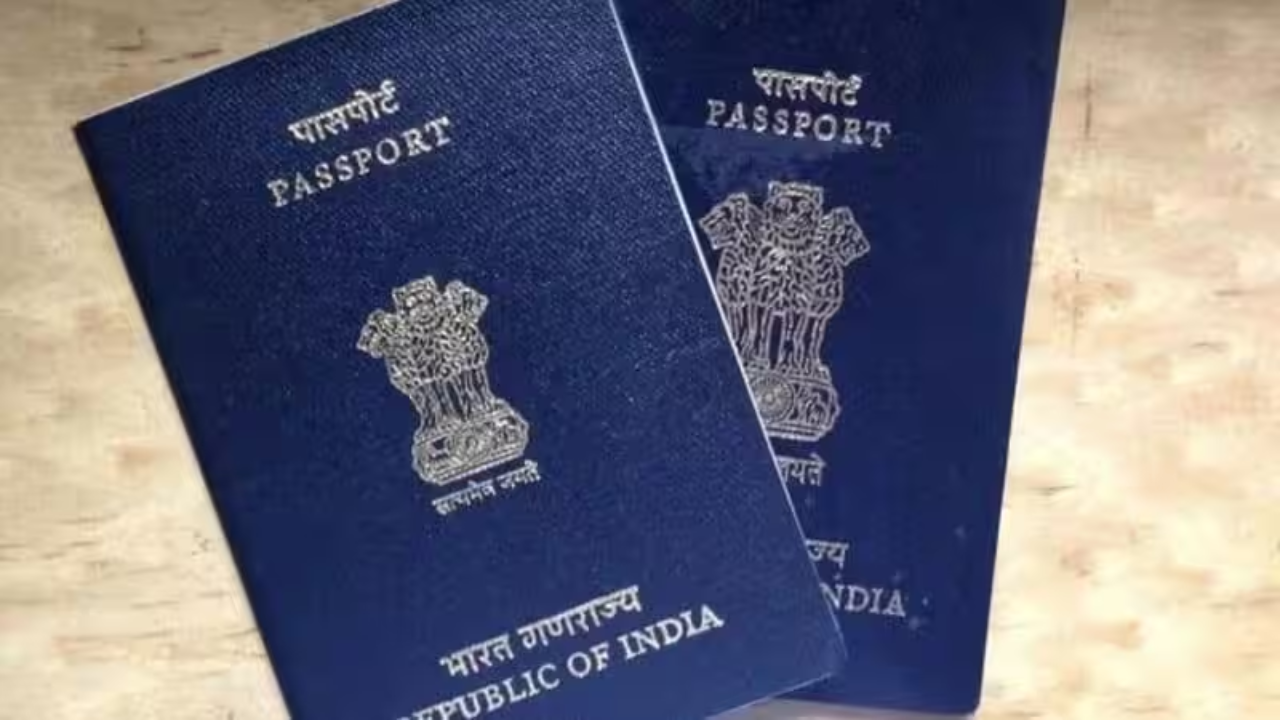
Assimilation is a strange beast. You can secure a foreign passport, buy a house, and integrate smoothly into a local community. Yet, a subtle, persistent disconnect remains.
Festivals celebrated in rented community halls never quite feel like home. Conversations still pause awkwardly when you walk into a room. While Ireland generally scores higher on social warmth and safety compared to the UK or the US, the subtle undertone of being an outsider still lingers. Parents watch their children grow up absorbing those micro-dynamics, wondering if they are doing them a disservice.
Furthermore, elderly parents cannot easily uproot their lives either. Bringing parents over for a month-long trial visit often proves that they cannot adapt to a rainy, isolated suburban lifestyle abroad. If two generations are ever going to live near each other, the math dictates that the younger generation must make the move back.
Grandparents are in their healthy years right now. Waiting another decade to return means coming back primarily for medical emergencies rather than daily cups of tea and shared meals.
Weighing the Trade-Offs Honestly
Moving back to India after a decade away is not a seamless transition. Anyone telling you it's a paradise without flaws is selling something.
You trade European air quality and road discipline for the chaotic energy of urban Indian traffic. You swap organized municipal systems for the hustle of managing local contractors, traffic congestion, and school admissions.
Yet, within a secure gated community in Pune, you can replicate a surprising amount of daily convenience. Swimming pools, sports coaching, parks, and peer groups exist right outside your door. More importantly, they come packaged with something money cannot buy in Dublin or Cork: unconditional family love and immediate domestic support.
What to Consider Before Making the Leap
If you find yourself staring at your foreign passport and wondering if it is time to return, run through a realistic checklist before handing in your resignation:
- Audit your childcare model: Look closely at how many waking hours your children spend in institutional settings versus meaningful family interaction.
- Assess career adaptability: Evaluate how transferable your current skill set is within the domestic Indian job market, especially given current technological shifts.
- Involve your extended family: Ensure that moving closer to parents or relatives is a mutual, discussed decision rather than an unspoken expectation.
- Accept the compromises: Acknowledge upfront that you will be trading clean, quiet streets for cultural grounding and built-in social support.
Life abroad is a valid choice, but it is not a life sentence. Sometimes the bravest thing an expat can do is admit that the journey has run its course, pack up the boxes, and head home.