You clear a sidewalk. You place unhoused residents into temporary motel rooms. You haul away tons of trash. Then, months later, you look out your window and see the exact same tents blocking the exact same path.
Welcome to the endless loop of municipal homelessness policy. Building on this theme, you can also read: Why Typhoon Dolphin Threatens China Right Now.
Los Angeles Mayor Karen Bass launched the Inside Safe initiative to break this cycle. The strategy relies on voluntary outreach, motel placements, and intensive sanitation sweeps to clear high-priority encampments. Yet records show outreach teams visiting nearly two dozen specific locations five or more times over a three-year span.
Why do these zones constantly repopulate? The answer lies in a mix of geography, structural housing shortages, and the magnetic pull of urban infrastructure. Experts at BBC News have also weighed in on this trend.
The Freeway Overpass Trap
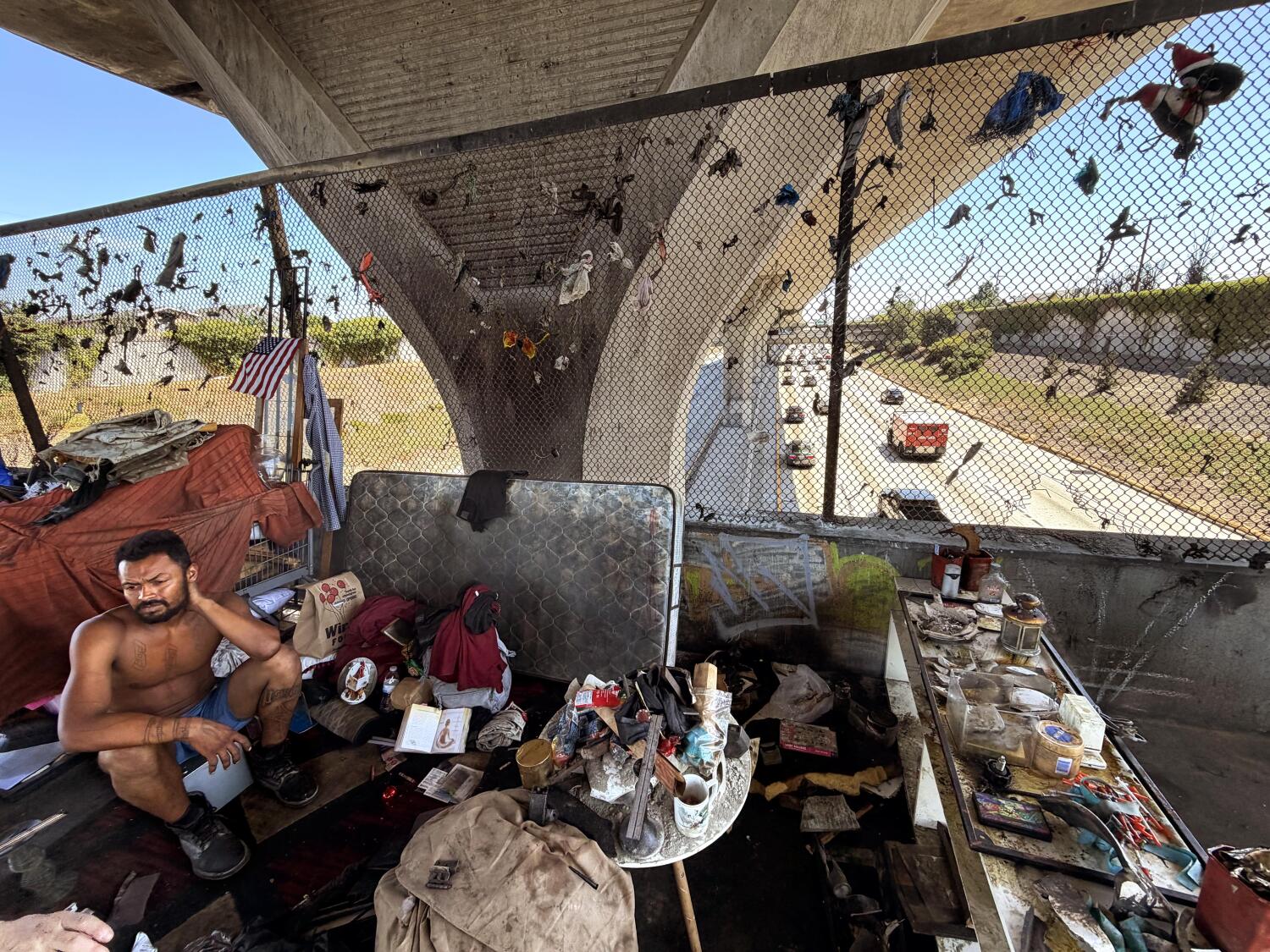
If you drive down the streets lining the 110 Freeway between 42nd and 58th streets in South Los Angeles, you witness the raw friction of this crisis. City records indicate outreach workers carried out Inside Safe operations 25 times on that single one-mile stretch alone during the program's first three years.
Freeway overpasses are magnets for the unhoused population. They offer structural protection from scorching summer heatwaves and heavy winter downpours. Industrial corridors and elevated concrete expanses also provide a degree of privacy and isolation that residential blocks do not.
When city crews clear these areas, the underlying physical advantages remain. A person displaced from a concrete alcove under an overpass has few places to go. Often, they drift right back to the nearest shaded patch of concrete as soon as temporary motel vouchers expire or housing bottlenecks choke the system.
The Human Toll on Local Neighborhoods
The revolving door of encampment clearance creates profound fatigue for local residents and business owners. Neighborhoods adjacent to these recurring zones bear the brunt of chronic street disruption.
Take the blocks just east of the 110 Freeway, where residents deal with chronic late-night noise, blocked sidewalks, and rampant public drug use. People try to sleep before early morning shifts, only to find themselves kept awake by street parties or disputes outside their fences.
Taxpayers and voters grow frustrated. They see millions of dollars flowing into emergency interventions, yet the physical reality of their streets remains unchanged. When an encampment vanishes only to return three months later, public trust erodes.
The Exit Strategy Bottleneck
The fundamental flaw in heavy-rotation sweep operations isn't a lack of effort by outreach workers. It is the lack of a permanent exit strategy.
Getting someone off the sidewalk and into a motel room is step one. It is expensive, labor-intensive, and emotionally demanding. But motels are temporary. Without an adequate pipeline of affordable permanent housing, supportive services, and active mental health and addiction treatment, the system stalls.
When people cycle through temporary housing without finding a permanent home, many eventually return to the streets. They migrate back to familiar territory where they know other unhoused individuals and understand how to survive.
What Needs to Change Next
If municipal leaders want to stop visiting the same street corners year after year, piecemeal interventions won't cut it.
- Scale permanent housing production: Temporary shelter is a bridge, not a destination. Without low-income housing units ready for occupancy, motel stays turn into dead ends.
- Target root causes aggressively: Mental health care and substance abuse treatment must be integrated directly into outreach models from day one.
- Redesign public spaces: Cities must rethink the architecture of freeway underpasses and industrial margins to prevent immediate re-encampment after cleanups occur.
Stop treating chronic street homelessness as an emergency that ends with a single sweep. Treat it like a permanent infrastructure challenge that demands permanent physical and social solutions.