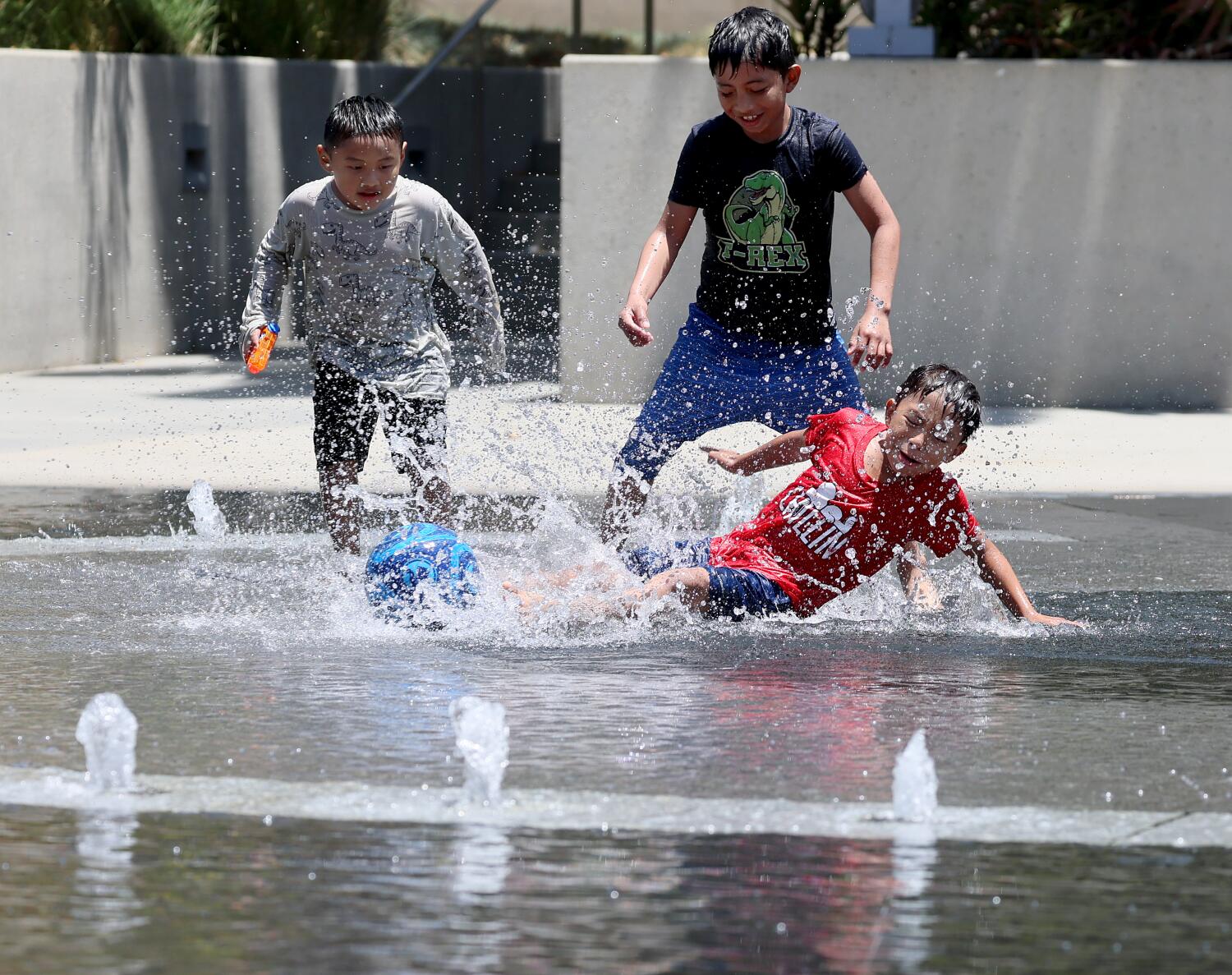
Kids kicking a soccer ball down a suburban block or setting up a portable basketball hoop on the curb feels like a timeless slice of American life. In Los Angeles, though, it's actually against the law.
Under decades-old city codes, playing any game in a public street or alleyway can get you cited. It doesn't matter if it's a quiet cul-de-sac or a busy thoroughfare. The Municipal Code treats neighborhood street basketball the same way it treats obstructing traffic. Now, local leaders are pushing to scrap the outdated ban, sparking a heated debate about public safety, neighborhood culture, and how cities ought to use their public spaces. In related news, read about: How Finding A Pan Am Wreckage After 74 Years Rewrites The Mh370 Search.
The Decades Old Law Keeping Neighborhood Kids Off the Asphalt
If you grew up shooting hoops in the driveway or playing pickup street hockey until the streetlights came on, you might be surprised to learn that L.A. code section 56.16 explicitly forbids playing ball on city streets.
The rule dates back to an era when traffic engineers prioritized moving cars as fast as possible through residential grids. City leaders argued that children playing near moving vehicles posed a severe safety risk. Over time, enforcement shifted from simple verbal warnings to formal citations and complaints, particularly in densely populated neighborhoods where green park space is scarce. BBC News has also covered this fascinating subject in extensive detail.
Critics of the policy point out that low-income communities suffer the most under these restrictions. In neighborhoods like South L.A. or the Eastside, park acres per capita fall drastically behind national benchmarks. When local parks are miles away or overcrowded, the quiet street right outside a home becomes the default playground. Banning street games effectively criminalizes normal childhood play for families without private backyards.
Why City Leaders Want to Decriminalize Street Sports
A fresh motion introduced at City Hall aims to dismantle the blanket ban and create clear pathways for safe street recreation. Supporters argue that legalizing street play aligns L.A. with modern urban design concepts like "play streets" and slow-zone traffic calming.
Proponents of the update highlight three main arguments:
- Equity and Access: Children in dense urban centers need safe, accessible places to exercise without fear of police interactions or fines.
- Community Safety: When neighbors congregate outside, streets actually become safer. Active blocks deter street crime through constant informal surveillance.
- Traffic Calming: Drivers tend to slow down when they see signs of life, such as street hockey nets or basketball hoops, on residential roadways.
Opponents, however, voice real concerns regarding legal liability and vehicular hazards. Property owners worry about damage to parked cars from stray balls. Drivers express anxiety over sudden movements from young children chasing rogue soccer balls into traffic lanes. Finding common ground requires balancing safety with neighborhood vitality.
How Other Cities Handle Street Ball Laws
Los Angeles isn't the first major metropolitan area to reevaluate how residents use public roadways. Cities across North America have experimented with alternative policies over the past decade.
Seattle, for instance, streamlined its street play permit system, allowing neighbors to temporarily close residential blocks for games without paying hefty administrative fees. Toronto repealed its long-standing ban on street hockey and street basketball back in 2016, placing the onus on drivers to exercise caution in residential zones.
These comparative models show that outright bans rarely keep kids safe. Instead, clear guidelines, speed bumps, and designated low-speed corridors create safer environments for everyone.
What Happens Next for Local Neighborhoods
The proposal to rewrite the municipal code must navigate city committee hearings, public comment periods, and full council votes. If approved, the city will likely establish guidelines specifying where street play is allowed, focusing on non-arterial residential roads with lower speed limits.
For residents interested in advocating for safer, active streets in their own blocks, taking proactive steps can help prepare for potential policy changes:
- Connect with your neighborhood council to share input on traffic calming measures and local park access.
- Request speed humps or radar feedback signs through local Department of Transportation programs to lower driver speeds on residential streets.
- Organize informal neighborhood watch groups to keep an eye on children playing near curb zones.
Decriminalizing street play won't solve L.A.'s park deficit overnight, but removing restrictive penalties is a practical step toward building more livable, family-friendly neighborhoods.