Voters across Los Angeles just faced a stark choice at the ballot box. Do you pay more at the cash register to protect your home from devastating wildfires, or do you force City Hall to balance its bloated budget without hitting everyday consumers? Early returns indicate that Measure FD, which proposes a half-cent sales tax hike to fund the Los Angeles Fire Department, is pulling ahead.
If you live in LA, you already know the sting of a 10.25% sales tax rate. Pushing that number up to 10.75% makes Los Angeles one of the most expensive places in the country to buy basic goods. Yet, the lingering trauma of recent disasters like the Palisades Fire clearly shifted public sentiment. People are tired of watching hillsides burn while officials argue over where to find cash. Discover more on a similar topic: this related article.
Measure FD is designed to bring in roughly $345 million every single year. Proponents, including the United Firefighters of Los Angeles City Local 112, argue that this influx of revenue isn't about padding salaries. It is about practical survival. The money targets upgraded equipment, modernized fire stations, higher staffing levels, and aggressive brush clearance programs designed to stop blazes before they jump containment lines. When you watch Santa Ana winds whip embers across dry chaparral, paying an extra nickel on a ten-dollar purchase starts looking like cheap insurance.
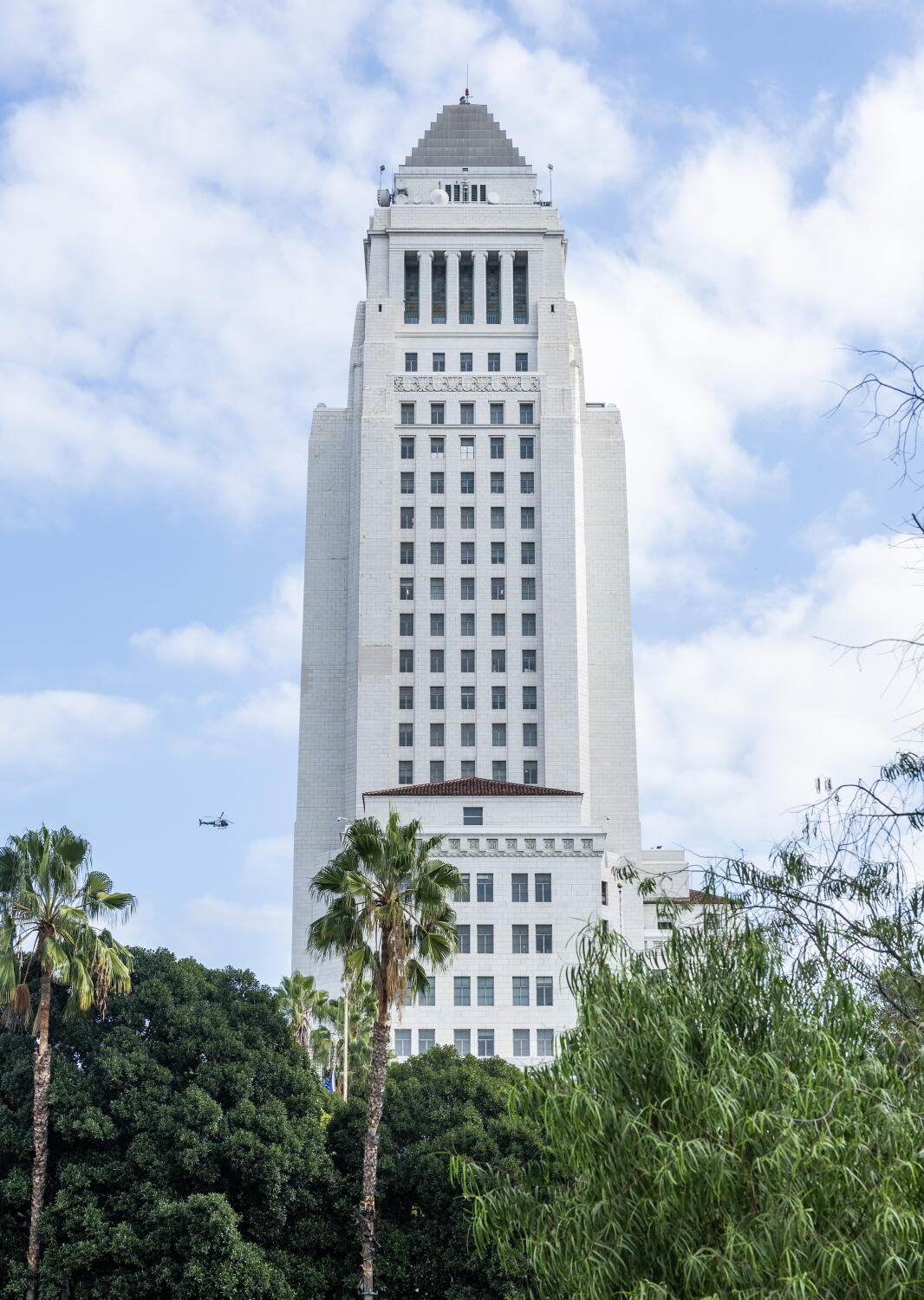
Not everyone is buying the emergency narrative. Opponents lined up fiercely against the measure, pointing out the glaring hypocrisy of asking working-class residents to shoulder a regressive tax when the city handles a multi-billion dollar budget. The Howard Jarvis Taxpayers Association and even the Los Angeles Police Protective League voiced strong opposition. Susan Shelley of the taxpayers association pointed out the obvious math: when a city manages a roughly $15 billion budget, finding $345 million through internal efficiency cuts and shifting priorities should be entirely possible without gouging shoppers. Further journalism by Al Jazeera explores comparable perspectives on this issue.
Sales taxes hit low-income and middle-income families hardest. Wealthy residents spend a much smaller percentage of their overall income on taxable retail goods, meaning a flat half-cent increase extracts a heavier proportional toll from people already struggling with soaring housing and grocery costs in Southern California. That reality alone makes the early lead for Measure FD a bitter pill for fiscal watchdogs.
This measure also highlights a deeper frustration with local governance. Voters increasingly feel that if they want basic municipal services like police and fire protection handled properly, they have to bypass elected officials entirely through citizen-backed ballot initiatives and tax themselves directly. Elected leaders love to talk about public safety during campaign season, but when it is time to allocate funds, critical infrastructure often loses out to political pet projects.
If early returns hold and Measure FD crosses the finish line, Los Angeles will enact a tax that stays on the books indefinitely unless voters explicitly repeal it later. The immediate test won't be whether the money gets collected—because consumers will see it on every receipt starting next year—it will be accountability. LAFD will receive a massive cash injection, and residents will rightfully expect faster response times, better-equipped stations, and visibly safer neighborhoods. City leaders just received a blank check funded by the public. Now they have to prove it was worth the extra cost at the register.