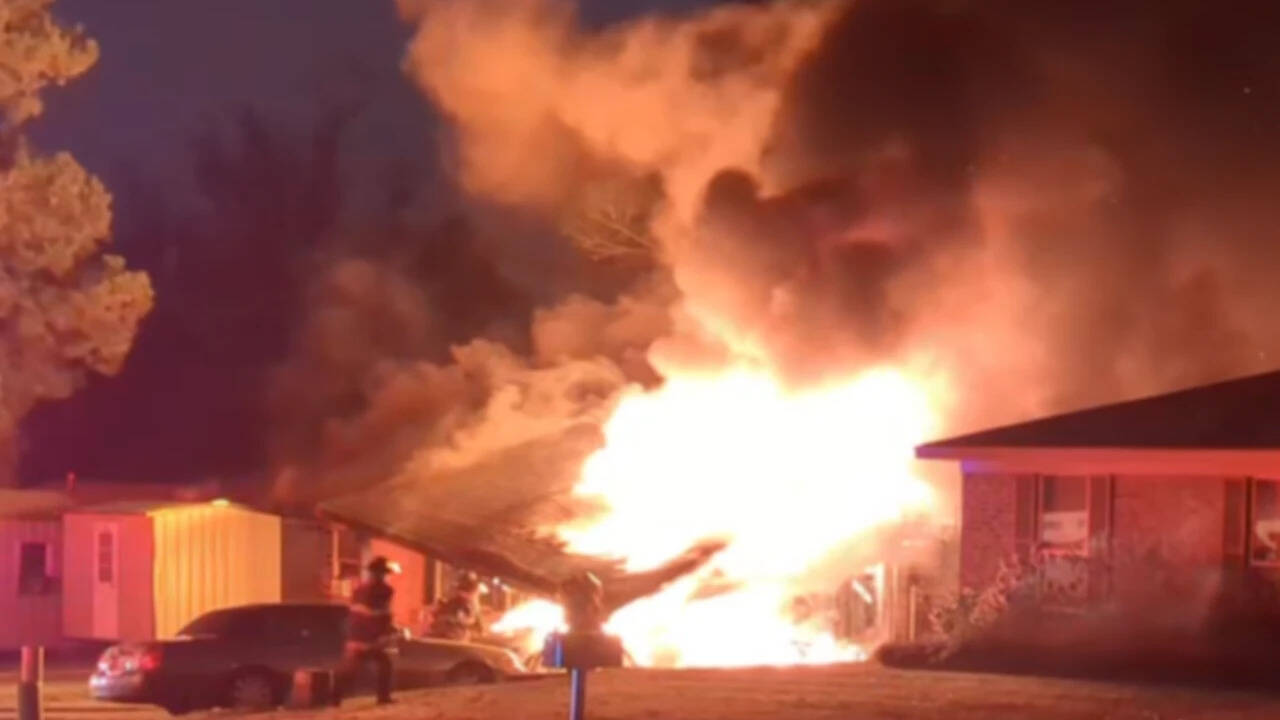
Greed often makes people blind to basic logic. Take the recent case out of Louisiana, where federal prosecutors slapped seven individuals with heavy charges for running a multi-year arson and insurance fraud ring. Between 2019 and 2026, this group allegedly rented homes, took out insurance policies, and intentionally set fire to about 13 residential properties just to collect payouts for fake losses.
If you're wondering how a crime like this operates on the ground, or why it took years to fully untangle, you're looking at a textbook example of organized white-collar and property crime mixed with plain old recklessness. Let's break down what actually happened and why investigators say AI finally helped crack it wide open.
The Anatomy of the Louisiana Arson Fraud Scheme
The operation wasn't built on sophisticated high-tech cyberattacks. Instead, it relied on exploiting the physical rental and insurance markets.
According to court documents filed by U.S. Attorney Zachary A. Keller for the Western District of Louisiana, the defendants operated primarily in the Monroe and West Monroe areas. The core players named in the federal indictment include Lashaundalyn Whitlock Brown, LaQuadra Whitlock, Latricia Whitlock, Romenique Whitlock, Jonika James, Iesha Alexander, and Travericka Williams.
The mechanics of their routine followed a disturbing pattern:
- Renting residential properties either in their own names or hiding behind co-conspirators.
- Using false identities to secure renters insurance policies.
- Intentionally causing fires at the locations.
- Submitting fraudulent claims for totally fabricated personal property losses and extended-stay hotel accommodations.
Some of these insurance claims were so lazily put together that they contained identical line entries and repeated spelling errors. Yet, they kept collecting checks until law enforcement stepped in.
Going Beyond Property Damage
What makes this case particularly egregious is that the fraud didn't stop at insurance companies. Investigators uncovered that the group also filed fraudulent disaster relief claims with a national humanitarian organization, pocketing cash assistance meant for genuine fire victims.
Furthermore, three of the primary defendants—Lashaundalyn Whitlock Brown, LaQuadra Whitlock, and Latricia Whitlock—face severe additional charges for money laundering, concealment, and structuring transactions to hide where the stolen cash was going. Prosecutors pointed out that Lashaundalyn Whitlock Brown, who has a criminal record spanning decades, appeared to jump right back into illegal activity soon after her 2021 parole.
The Danger to First Responders
Insurance fraud is often viewed as a victimless crime against massive corporate entities, but setting residential fires changes the math entirely. First responders walked into active, intentionally set blazes without knowing they were walking into a financial trap.
Firefighters and neighboring families faced severe risks. As U.S. Attorney Keller noted during the announcement, putting human lives on the line to feed a profit machine shows an astonishing level of recklessness.
How AI Caught the Fraud Ring
What changed between 2019 and 2026 to finally bring this network down? Investigators caught a massive break thanks to technology.
Louisiana Department of Insurance officials utilized an AI-powered tool called Anti-Fraud One to flag suspicious patterns. When thousands of claims pass through insurance systems daily, human adjusters can miss recurring red flags. The software spotted connections, matching text patterns, and duplicate claims across multiple properties that individual adjusters might have missed.
FBI Special Agent in Charge Jonathan Tapp emphasized that insurance fraud drives up costs for every honest policyholder in the state. When criminals bleed insurance pools dry, everyday citizens pay higher premiums to make up the difference.
What Happens Next for the Defendants
All seven defendants were arrested following the September 23 sweep. They face severe federal charges, including conspiracy to commit wire fraud and using fire to commit a federal felony. If convicted, they're looking at decades behind bars. Prosecutors are fighting to keep key figures like Brown in custody ahead of trial, citing her lengthy history and the ongoing risk to the community.
If you work in property management, insurance adjustment, or local real estate, cases like this serve as a stark reminder to vet tenants thoroughly and flag duplicate insurance claims immediately. Fraud detection tools are sharper now than they were a decade ago, and criminal rings operating local arson schemes eventually run out of luck.