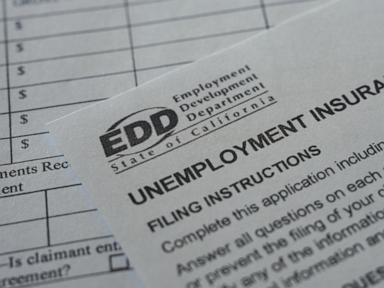
You hear the headline on repeat. Weekly filings for jobless benefits tick up slightly, yet corporate layoffs remain historically low. It sounds like a contradiction. How can unemployment applications rise while companies supposedly refuse to fire anyone?
The reality on the ground looks a lot different than the smooth averages reported by Washington. If you have tried sending out resumes lately, you already know the truth. Companies aren't firing en masse, but they aren't hiring either. We are stuck in a frozen hiring market.
What Weekly Jobless Claims Actually Measure
Most people confuse initial jobless claims with total job health. They think a low number means the economy is sprinting ahead. That is dead wrong.
Initial filings only track how many people just walked into an office or went online to file for state unemployment benefits after losing a job. They act as a proxy for layoffs, nothing more. When weekly filings hover near historic lows, it simply means bosses are holding onto their current workers.
Why are they holding on? Simple trauma response. After burning through cash trying to find staff during the post-pandemic labor shortage, executives learned a hard lesson. Finding talent is expensive. Training talent takes months. So, when demand stutters or profit margins tighten, modern companies prefer trimming hours, freezing budgets, or letting natural attrition do the work instead of handing out pink slips.
They hoard labor. That keeps initial claims artificially low.
The Frozen Labor Market Trap
Low layoffs sound comforting until you try to switch careers or enter the workforce for the first time.
Hiring velocity has dropped off a cliff. When positions open up, companies take weeks to review candidates, put applicants through four rounds of interviews, and often ghost qualified professionals at the final stage. The job market isn't collapsing in a wave of dramatic firings. It is freezing solid.
Take a look at what happens behind the corporate curtain. Large employers across retail, tech, and logistics have quietly slowed recruitment to a crawl. If you currently hold a job, you feel safe. If you need a job, you face an endless wall of automated resume screeners and ghost job postings that never turn into actual offers.
Reading Between the Lines of Economic Data
When you dig into the Labor Department reports, the disconnect between low layoffs and worker anxiety becomes glaring.
- Job openings have shrunk significantly from their post-pandemic peaks.
- Average monthly job creation has slowed down compared to previous years.
- Long-term unemployment duration is creeping upward because open roles are scarce.
The Federal Reserve spent years hiking interest rates to cool down wage growth and break inflation. Their strategy worked, but it created an economy of extreme caution. Businesses face higher borrowing costs, policy shifts like new tariffs, and cautious consumer spending. Instead of risking capital on new hires, they stay put.
How to Protect Yourself in a Low-Hire Environment
Waiting for macroeconomic indicators to shift in your favor is a waste of time. If you want to survive and thrive in this kind of market, you have to change your playbook.
Stop treating the job hunt like a lottery where you throw out hundreds of blind applications. It doesn't work when positions are scarce and competition for every open seat is fierce. Target specific mid-sized companies that are actually growing instead of legacy giants implementing silent hiring freezes. Build direct relationships with hiring managers rather than relying on digital portals.
Layoffs might remain historically low. That doesn't mean your career is secure if you rely entirely on corporate loyalty. Take control of your skills, expand your network, and stop believing that low jobless claims equal an easy job market.