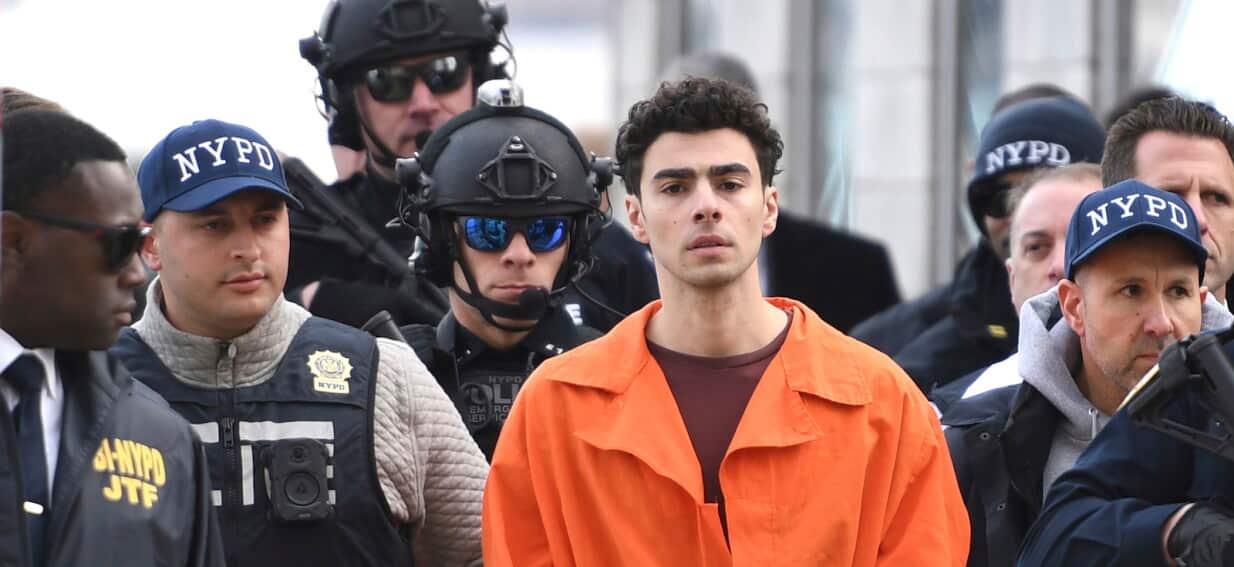
The legal walls are closing in, and the strategy is shifting. Luigi Mangione, the man accused of gunning down UnitedHealthcare CEO Brian Thompson outside a Manhattan hotel in December 2024, is reportedly expected to plead guilty in his federal stalking case.
If you've been following this headline-grabbing saga, you know how fast things change. This unexpected turn could completely short-circuit months of anticipated courtroom drama, shaking up both federal proceedings and an upcoming state trial. But what does a potential federal guilty plea actually mean for the broader legal battle? Let's break down why this move matters and what is happening behind the scenes. Learn more on a connected subject: this related article.
What Led to This Sudden Shift
For months, the trajectory of the federal case against Mangione looked set for a bruising trial. Back in April 2025, Mangione pleaded not guilty to federal charges that included murder and weapons offenses alongside stalking. Then came a massive legal twist in January 2026, when US District Judge Margaret Garnett threw out the core murder and weapons charges over technicalities.
That ruling wiped the death penalty off the table at the federal level. However, Mangione still faced federal stalking charges that carried a maximum sentence of life in prison without parole. Additional analysis by BBC News highlights similar perspectives on this issue.
Now, with a joint court hearing scheduled following talks between defense attorneys and prosecutors, reports indicate that a plea deal is taking shape. While negotiations remain fluid and a change of heart is always possible right up until he stands before the judge, the momentum points toward a resolution.
The State Trial Collision Course
A federal guilty plea doesn't mean Mangione is walking away from legal accountability. Far from it. A separate New York state case spearheaded by Manhattan District Attorney Alvin Bragg is hurtling toward a September trial.
Here is where things get messy for the prosecution. Mangione's defense team is expected to leverage a federal guilty plea to push for the dismissal of the state murder charge. Their primary weapon? New York's double jeopardy laws, which protect individuals from being tried twice for the same underlying conduct.
Bragg's office isn't going to roll over, of course. Prosecutors are primed to argue that the state murder charges are legally distinct from the federal stalking counts. If the defense tries this maneuver and a judge bites, expect an immediate, high-stakes emergency appeal. It is a classic procedural chess match, and both sides are running out of clock before the state jury selection begins.
Why Public Fascination Remains Unabated
You cannot talk about this case without acknowledging the massive cultural undercurrents. When Thompson was killed outside a midtown hotel ahead of an investor conference, the incident sparked an intense public reaction. Beyond the shock of a brazen daylight assassination, the crime struck a nerve with millions of Americans frustrated by the everyday realities of the for-profit healthcare system.
As the legal proceedings dragged on through 2025 and into 2026, Mangione unexpectedly drew a vocal contingent of supporters. Courtroom appearances have drawn crowds wearing distinctive wristbands, and media battles have erupted over everything from courtroom seating arrangements to evidence suppression hearings.
Judge Gregory Carro recently moved to quell circus-like atmospheres in the state proceedings by implementing an anonymous jury and organizing an overflow courtroom for the upcoming September trial. Yet, every single development—including this latest federal plea report—feeds back into a media ecosystem that treats every court filing like a breaking season finale.
What Happens Next in the Courtroom
If you are trying to keep track of the immediate timeline, keep your eyes on the federal docket first. The scheduled joint hearing will determine whether a formal plea is entered or if negotiations hit a snag at the eleventh hour.
Following that, the legal focus shifts squarely back to Manhattan state court. Justice Gregory Carro's trial schedule for September stands ready to test whether state prosecutors can successfully shield their murder case from double jeopardy challenges.
Watch for the defense motions regarding the double jeopardy clause the moment any federal plea ink dries. That clash will define the final chapter of this unprecedented legal saga.