Celebrity activism rarely comes without a heavy price tag, but the recent fallout from the Macklemore tour cancellation has pushed the intersection of music and politics into uncharted waters. When you watch a high-profile tour unravel over geopolitical statements, you're looking at a fundamental shift in how artists, venue owners, and corporate interests interact.
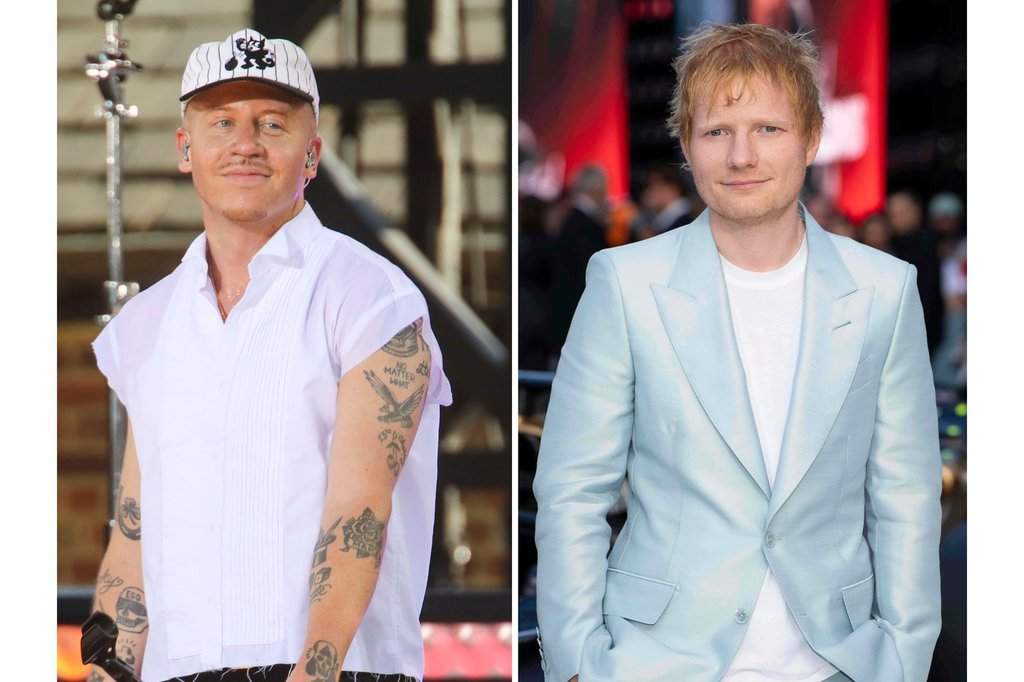
Macklemore recently pledged his entire $1 million net earnings from Ed Sheeran's tour to Palestinian relief funds. This move came hard on the heels of his high-profile dismissal from that same tour. The rap artist was dropped after uttering pro-Palestinian statements and performing his track "Hind's Hall" at MetLife Stadium. Stadium owners, led by New England Patriots owner and Gillette Stadium proprietor Robert Kraft, essentially issued an ultimatum to Sheeran: drop the opener or lose the venues. For an alternative look, see: this related article.
The Anatomy of a Tour Collapse
Ed Sheeran tried to broker a compromise, but the promoter and venue demands left no room for negotiation. When stadiums hold booking monopolies, they hold the ultimate trump card. They can shut down multimillion-dollar operations with a single phone call.
Instead of backing down quietly, Macklemore weaponized his financial departure. By donating his full million-dollar tour payout directly to humanitarian relief, he shifted the optics entirely. He didn't just walk away; he called out Robert Kraft publicly, challenging the billionaire to match the donation. Further insight on this matter has been provided by Entertainment Weekly.
The domino effect didn't stop there. Other supporting acts on the tour quickly walked away in solidarity. The entire supporting lineup evacuated the tour schedule. It's rare to see artists walk away from lucrative arena tours over political censorship, which tells you how volatile the climate has become.
The Battle Lines Over Free Speech and Consequences
Venues and critics point to Macklemore's past controversies, including a 2014 incident involving a problematic costume, arguing that his rhetoric crosses lines. On the other side, free speech advocates and humanitarian supporters view his removal as corporate censorship designed to stifle dissent.
Robert Kraft defended the venue's stance, citing a history of deep community offense, while simultaneously noting his own decades-long philanthropic efforts bridging divides in the Middle East. Yet, the public battle lines show no signs of softening. Fans are taking sides, and the music industry is scrambling to figure out where the guardrails are for political expression on stage.
You can't separate modern pop culture from global politics anymore. Audiences demand authenticity, and artists feel compelled to speak out, even when it costs them their jobs.
If you're watching the music industry right now, look past the headlines about cancelled shows. The real story is that corporate venue owners no longer tolerate stage-born protests, and artists are finding new ways to fight back with their bank accounts. Keep an eye on how upcoming tours draft their venue contracts. The clauses are about to get a lot stricter.