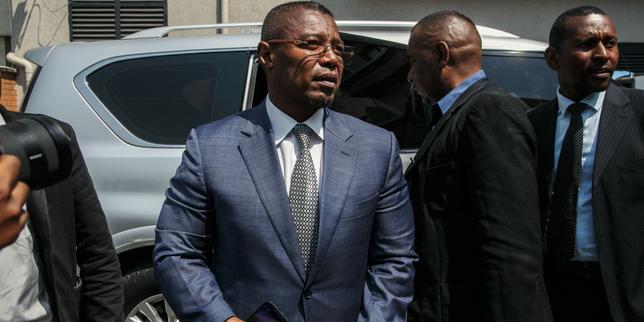
Madagascar deputies ousted Siteny Randrianasoloniaiko in a late-night vote that stunned Antananarivo.
Think about the timing. Just over a year ago, Siteny Randrianasoloniaiko helped engineer the parliamentary removal of former president Andry Rajoelina after youth protests and military intervention upended the island's politics. Now the former professional judoka and African Judo Union president finds himself pushed off the speaker's perch after lawmakers gathered in a night session that stretched into early morning. Discover more on a connected topic: this related article.
That single turn of events tells you everything you need to know about Madagascar's transition right now. Nobody's seat is safe when alliances shift faster than procedural rules.
What Happened Inside the National Assembly Vote
Lawmakers moved under Article 16 of the National Assembly's rules of procedure, which lets deputies remove members of the permanent bureau for serious misconduct with a two-thirds majority. According to reporting from KOACI and LSI Africa, 149 deputies took part in the vote chaired by Toliara vice president Marco Tsaradia, with 112 voting to remove Randrianasoloniaiko against 37 opposed. Further analysis by Wikipedia highlights similar perspectives on the subject.
He wasn't the only one swept out. Three other permanent bureau officials also lost their posts in separate ballots:
- Christian Afakandro, vice president for Mahajanga, was removed by 119 votes to 30.
- Issa Charles Ibrahim, vice president for Antsiranana, fell by 117 votes to 32.
- Charlot Mamihaja, third quaestor, also lost his post by 117 votes to 32.
Other senior figures held on, including the two vice presidents from the Tiako i Madagasikara (TIM) party and the vice president representing Fianarantsoa. Legally, one of the remaining vice presidents steps in as interim speaker until a new speaker and bureau replacements are elected.
There's a catch, though. The High Constitutional Court (HCC) still has to rule on whether the removals are valid. In Malagasy politics, the HCC isn't just a rubber stamp—it's often the arena where raw parliamentary numbers get tested against constitutional fine print.
Why Deputies Turned on a Transition Heavyweight
Officially, lawmakers pointed to unilateral decision-making, a solo style of running the chamber, and breaches of internal assembly rules. Critics framed the move as defending the integrity of parliament rather than letting one leader treat the speaker's office like a personal fiefdom.
Honestly, parliamentary accusations of "unilateralism" are rarely the whole story in Antananarivo. When a coalition builds momentum around a transition project, friction builds quietly over patronage, committee control, legislative calendars, and positioning for what comes next. Randrianasoloniaiko had been widely viewed as a central political figure in the transition led by Colonel Michaël Randrianirina and as someone with eyes on the presidential race scheduled for late 2027.
If a speaker looks too ambitious—or too dominant—fellow lawmakers often band together before that influence hardens into permanent power. That's a classic legislative survival instinct, not just a dispute over meeting minutes.
Russia Ties, Transition Delays, and Bigger Stakes
Foreign policy adds another layer that surface-level headlines gloss over. Since taking the helm of the lower house in October 2025, Randrianasoloniaiko pushed hard for closer ties with Moscow, making multiple trips there as the broader transition government expanded engagements with Russia. Observers have pointed to arms deliveries, high-level meetings involving Vladimir Putin, and Russian cultural outreach as part of a wider diplomatic pivot during the transition year.
Whether his ouster slows or reshapes that outreach remains to be seen. What's clear is that parliament and the broader transition are operating under heavy strain. Reporting from Madagascar-Tribune highlights delays in organizing the national consultation process, friction over electoral preparations for 2027, and scrutiny from groups like Transparency International – Initiative Madagascar over rules and guarantees ahead of planned votes.
A fragile transition doesn't like surprises at midnight. A supermajority vote against the speaker signals real fractures inside the ruling coalition, even if formal policy hasn't flipped overnight.
Common Misconceptions About This Ouster
People reading quick wire summaries tend to jump to three wrong conclusions:
- That the vote automatically ends his political career. Being removed from the speaker's chair is a sharp setback, not a permanent exit from Malagasy politics. Politicians in Antananarivo routinely rebound through shifting alliances, court challenges, or new campaigns.
- That the military executive and parliament are locked in open war. A parliamentary revolt against its own speaker isn't the same thing as troops marching on Tsimbazaza. It shows internal realignment among deputies, though it certainly complicates coordination with the executive.
- That the matter is settled once the gavel drops. Until the High Constitutional Court weighs in and interim leadership organizes the next steps, legal disputes and backroom negotiations can still reshape the outcome.
Practical Next Steps for Tracking What Comes Next
If you're following Madagascar's political trajectory—whether for policy analysis, regional risk tracking, or informed reading—focus on concrete signals rather than rumor:
- Watch the High Constitutional Court (HCC): Check whether the court upholds orannuls the two-thirds votes against Randrianasoloniaiko and the three bureau officials.
- Track the interim speaker and bureau election: See which faction consolidates control over parliament's agenda and committees during the transition.
- Monitor the 2027 electoral calendar: Pay attention to delays in the national consultation and any shifts in how constitutional referendum or election rules are set.
- Cross-check multiple sources: Compare reporting from outlets like TV5MONDE, Madagascar-Tribune, and LSI Africa to separate verified vote tallies from speculation.
(If you're signed out right now, signing in to a Google Account can help you save threads like this and pick up tracking later without losing your place.)