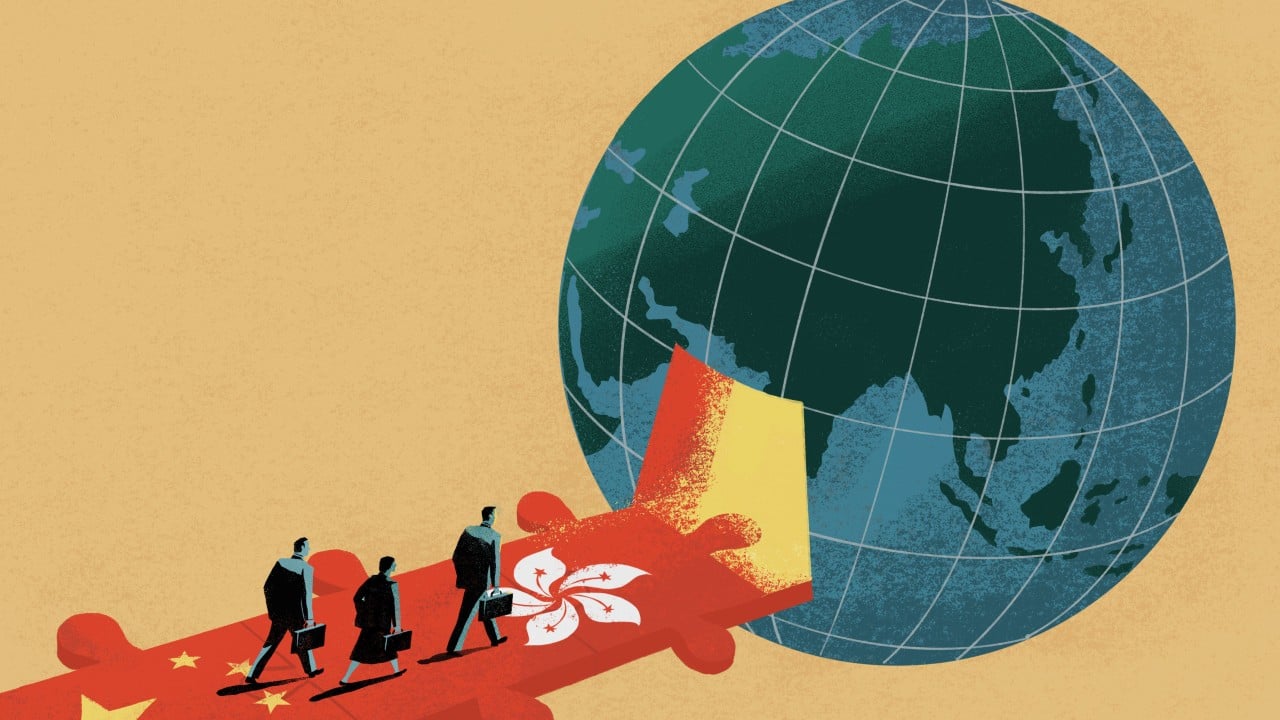
The domestic market is crowded. Margins are razor-thin. If you are a mainland Chinese manufacturer or tech startup right now, staying put is basically financial suicide. That is why everyone is scrambling to expand overseas. But heading straight from Shenzhen or Hangzhou into Western markets without a buffer zone is a recipe for disaster.
Enter Hong Kong.
The city is positioning itself as the ultimate launchpad for mainland enterprises trying to break into international territory. Governments and trade offices talk up the logistics, the funding, and the deep pools of capital. Yet, behind the official optimism, a harder reality exists. Can these firms actually win on the global stage, or are they just trading domestic headaches for foreign ones?
The Great Escape from Oversaturated Home Markets
Look at almost any sector in China today. Electric vehicles, consumer electronics, solar tech—they are all caught in brutal price wars. Companies are producing more than the local population can consume. Going international is no longer an optional growth strategy. It is survival.
Moving abroad sounds glamorous until you hit the wall of international compliance. Western markets do not care about your domestic market share. They care about strict ESG metrics, complex cross-border data laws, unfamiliar tax structures, and rigorous IP standards.
This is where Hong Kong steps in as the middleman. Through specialized initiatives like the government's GoGlobal Task Force and various cross-sector professional services platforms, the city offers advisory support spanning legal, accounting, tax, and branding. It acts as a familiar translator for companies that speak Mandarin at home but need to speak fluent global compliance abroad.
Where the Strategy Falls Apart
Setting up a corporate shell or a regional headquarters in Hong Kong is easy on paper. Making it translate into overseas dominance is another story entirely.
Cultural friction is a massive blind spot. Mainland corporate culture is often fast, top-down, and intensely competitive. When those same management styles land in Southeast Asia, Europe, or Latin America, they frequently clash with local labor laws, workplace customs, and union expectations.
Then you have the geopolitical crossfire. Western regulators are watching mainland-backed firms with intense suspicion. Even if a company routes its international expansion through a Hong Kong entity, overseas authorities often look right past the paperwork to trace the ultimate source of ownership and capital. Compliance hurdles do not disappear just because you opened an office in Central. In fact, getting caught trying to skirt foreign scrutiny using an intermediary structure can trigger immediate regulatory crackdowns.
The Real Advantage Hong Kong Still Holds
Despite the hurdles, writing off Hong Kong is a mistake. The city still possesses infrastructure that mainland hubs cannot easily replicate.
International banking networks run deep here. If you need multi-currency financing, global venture capital backing, or dispute resolution governed by common law, Hong Kong remains a powerhouse. It bridges mainland ambition with international legal frameworks.
Furthermore, the professional talent pool in Hong Kong understands both worlds. Lawyers, accountants, and consultants here spend their careers navigating the gray zones between Beijing's regulatory ecosystem and Western market expectations. For a mainland tech firm trying to figure out how to structure an overseas acquisition without violating international sanctions or local investment screens, that expertise is worth every penny.
What Winning Actually Looks Now
The firms that succeed internationally aren't the ones trying to drop a carbon-copy Chinese business model into London or Jakarta. They are the ones treating Hong Kong as a genuine operational testing ground.
They use the city's testing and certification services to adapt their products to international technical standards before shipping them out. They hire local and international talent in Hong Kong to smooth out cultural misunderstandings. They build governance models that survive foreign scrutiny.
If you are evaluating how mainland companies will fare globally, stop looking at the headline-grabbing investment figures. Look at how well they adapt to local realities on the ground.
Assess your target market's specific regulatory requirements before making a move. Build local partnerships early instead of trying to manage everything from a regional office. Treat compliance as a core product feature, not an afterthought.


