Major healthcare institutions across the country are quietly rewriting their medical policies under intense federal pressure. At least six prominent medical systems have entered formal settlement agreements with the Department of Justice to stop providing medical gender-affirming care to youth. Institutions like NYU Langone, UPMC, Cleveland Clinic, Connecticut Children's, Mount Sinai, and Texas Children's Hospital agreed to permanently halt puberty blockers, hormone replacement therapy, and surgeries for patients under nineteen.
These deals didn't happen in a vacuum. The administration deployed aggressive investigations through the Department of Justice and the Department of Health and Human Services, dangling the threat of False Claims Act violations and severe medical billing fraud penalties over hospital boards. For many health systems, settling was viewed as the only practical way to shield confidential patient records from sweeping federal subpoenas that demanded unredacted files of minors.
If you're wondering why prominent medical centers folded rather than fight it out in federal court, the answer comes down to financial survival. Hospitals rely heavily on federal funding programs. When the White House and federal agencies tie the loss of Medicare and Medicaid dollars to youth care compliance, hospital executives face an impossible math problem. They chose to drop a specific subset of pediatric care to keep their entire enterprise solvent.
What These Settlements Actually Change
Under the terms of these legal resolutions, the hospitals agreed to financial payouts, including an $8.5 million settlement from NYU Langone and a $950,000 settlement from UPMC. More importantly, the medical interventions stop immediately for patients under 19.
However, a specific carve-out remains. The agreements allow these institutions to continue offering pediatric mental healthcare services for transgender youth. Providers can talk, evaluate, and offer psychological support, but they cannot prescribe hormones or puberty-blocking medications as part of these networks.
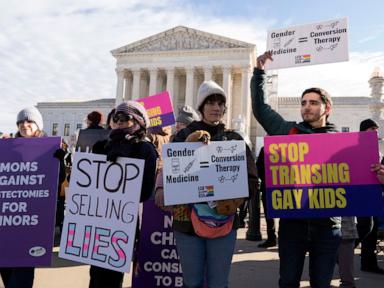
Critics and LGBTQ+ advocacy groups point out that these agreements place severe barriers between families and their chosen medical pathways. Legal experts argue that allowing federal pressure to dictate clinical decisions sets a troubling precedent for medical autonomy. On the other side, administration officials champion these settlements as necessary protections for vulnerable young people, claiming the treatments carry long-term risks.
The Broader Crackdown on Pediatric Care
This wave of hospital settlements follows a relentless sequence of federal policy shifts. The administration previously barred Medicaid funds from covering youth gender-affirming care and directed agencies to rescind previous guidance that supported access. Major medical associations, including the American Medical Association, maintain that age-appropriate clinical care is medically necessary and safe. Yet, federal regulatory actions have effectively sidelined those clinical guidelines in favor of executive enforcement.
State-level bans already restricted care in more than half the country before these federal settlements took shape. Now, major hospital systems in states without outright legislative bans are effectively self-policing or settling with federal prosecutors to avoid ruinous litigation.
Families navigating these changes find themselves scrambling to find alternative care providers, traveling across state lines, or pivoting entirely to mental health support models. The landscape of pediatric medicine has shifted dramatically, and institutional caution has replaced medical independence.
Review your current healthcare provider's policies directly if you or a dependent rely on specialized pediatric networks, as administrative changes continue to roll out across major regional systems.