Wall Street took a breather on Wednesday, July 22, 2026. If you were watching the ticker tape, you saw a market caught between two completely different narratives. On one side, classic income stocks like telecommunications and consumer staples posted solid gains after earnings beat forecasts. On the other side, big tech and artificial intelligence plays pulled back, dragging down the broader market while oil prices jumped sharply.
The main indexes showed a split decision by the time the closing bell rang. The S&P 500 slipped 10.24 points, or 0.1%, ending at 7,498.96. The Dow Jones Industrial Average barely budged, dipping 6.06 points—less than 0.1%—to close at 52,218.58. Meanwhile, tech heavies took the biggest hit. The Nasdaq Composite fell 146.30 points, down 0.6% to 25,690.90. Small caps got hit even harder, with the Russell 2000 index dropping 27.46 points, or 0.9%, to end at 2,959.94.
Here is the breakdown of what really drove trading on Wednesday, why tech software and hardware divergent trends matter, and how investors should adjust their portfolios right now.
The Tale of Two Markets on July 22
Wednesday was not a uniform sell-off. It was a classic sector rotation. Money flowed out of high-flying tech names and into reliable, dividend-paying cash cows.
Investors have spent months pouring billions into big tech on the promise of massive future returns from computing infrastructure. But today, market participants demanded immediate proof. With Alphabet and Tesla scheduled to report earnings after the close, traders trimmed their tech positions to reduce risk before the numbers dropped.
At the same time, traditional corporate earnings provided a pleasant surprise. AT&T jumped 3.5% to close at $23.04 after posting second-quarter profit numbers that topped analyst projections. Wireless subscriber growth remained sticky, and free cash flow looked healthier than expected. Tobacco and consumer giant Philip Morris International rallied 3.3% to $194.30 on strong demand for smoke-free products.
When old-school companies outperform while high-valuation tech stalls, it usually means Wall Street is getting nervous about valuation multiples. Buyers want actual current profits, not just promises of high earnings five years down the road.
Energy Pressures and Rising Yields Add Friction
It wasn't just earnings jitters holding back equity indexes. Energy markets added a noticeable drag on investor sentiment throughout the session.
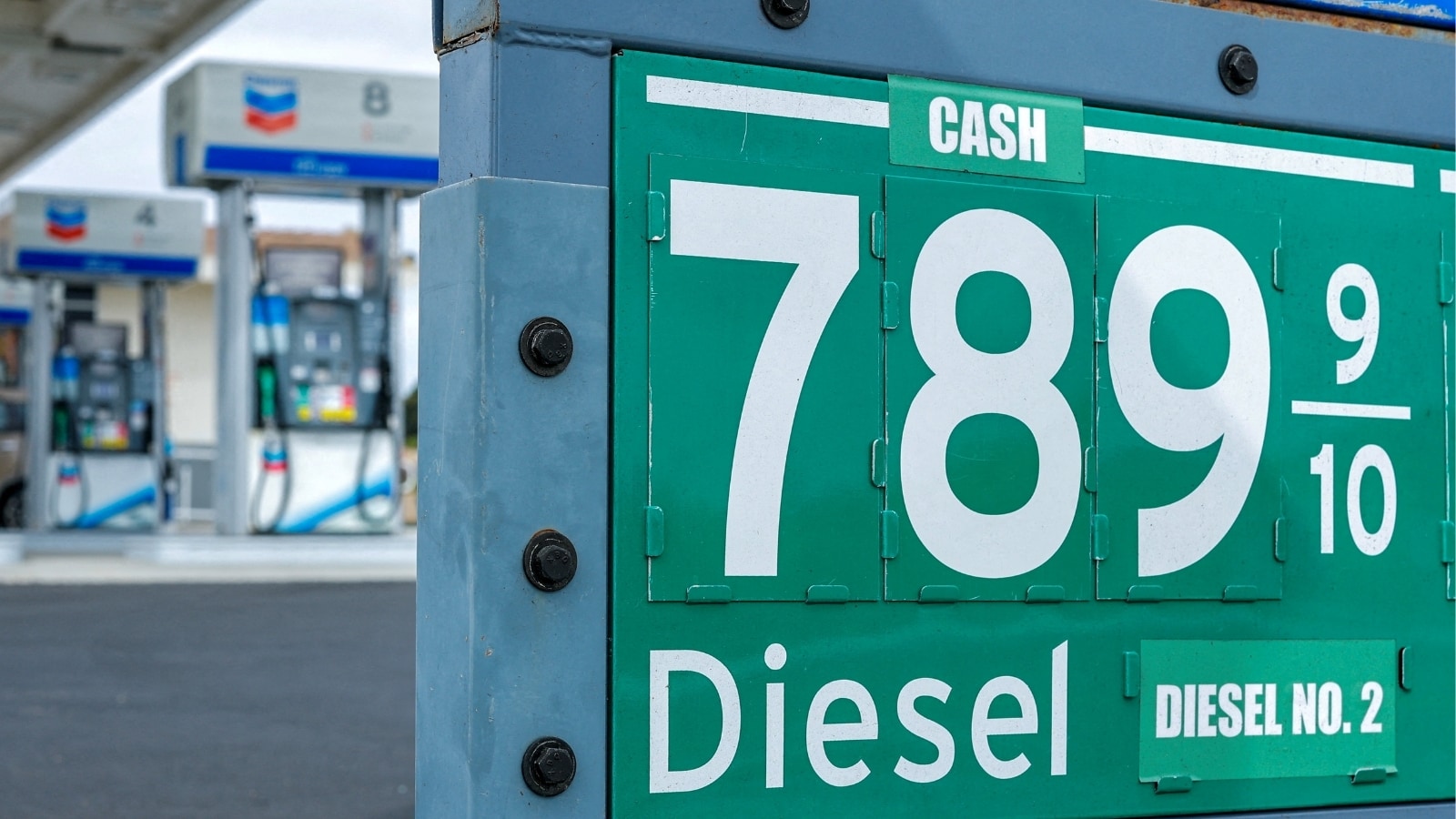
Brent crude futures surged around 3% on Wednesday, reaching their highest settlement price in nearly six weeks. Fresh supply concerns in the Red Sea sparked the rally after reports of renewed threats to commercial shipping lanes. Higher energy costs act as an immediate tax on both corporate profit margins and consumer wallets.
When oil spikes, bond markets take notice. U.S. Treasury yields pushed higher across the curve on Wednesday afternoon. Higher bond yields make equities look less attractive by comparison, especially growth stocks carrying elevated price-to-earnings ratios. When an investor can lock in a safe yield on government debt, paying 35 or 40 times earnings for a software company becomes a much harder sell.
Semiconductor Momentum Meets Software Weakness
Inside the tech sector, a clear divide has emerged that every investor needs to understand. Hardware makers and software vendors are no longer trading in lockstep.
The Philadelphia Semiconductor Index actually managed to bounce off its early losses and end the day higher. Chipmakers like Qualcomm and Nvidia held up better as investors recognized that physical hardware buildouts are still moving forward. Even with quarterly volatility, data centers continue to order custom silicon and memory chips at a furious pace.
Software companies, however, faced steady selling pressure throughout Wednesday's session. Investors are starting to ask hard questions about software monetization. Building AI models costs a fortune, but software vendors are finding it harder to pass those costs onto enterprise customers without squeezing their own margins.
This divergence created choppy trading all day. The Nasdaq couldn't build any upward momentum because software pullbacks offset gains in selected hardware names.
Long Term Context for the 2026 Bull Market
Before hitting the panic button over a single down day, put Wednesday's moves into historical perspective. The broader market trends for 2026 remain remarkably strong despite mid-summer pauses.
Even with Wednesday's slight decline, the S&P 500 remains up 9.5% for the year, sitting less than 1.5% below its all-time record high of 7,609.78 set back in early June. The Dow is up 8.6% year-to-date, while the Nasdaq boasts a 10.5% gain for 2026. The Russell 2000 small-cap index leads all major benchmarks with a year-to-date surge of 19.3%.
Market pullbacks like the one on July 22 are healthy. Markets cannot move straight up without digesting gains. What we saw on Wednesday was a market consolidating after a massive rally, rebalancing risk ahead of critical corporate reporting dates.
Practical Steps for Investors Today
If you own stocks or broad market index funds, days like Wednesday offer valuable signals on how to position your cash moving forward.
First, check your asset allocation. If tech stocks have driven your portfolio up over the last six months, you might be overconcentrated in high-beta growth. Rebalancing some gains into defensive dividend payers or short-term Treasury bills can protect your capital if tech earnings disappoint.
Second, don't treat all tech companies as a monolith. Separate hardware infrastructure providers with real backlogs from speculative software companies running on high valuations and thin margins.
Third, keep an eye on oil prices and long-term interest rates. If crude continues to climb toward seasonal highs, transport, retail, and discretionary consumer stocks will face headwinds, while energy sector equities could offer a strong tactical hedge.
Set stop-loss orders on high-flying momentum positions, keep cash ready for dips in quality blue-chip names, and let earnings reports dictate your next big trades.