Malaysia wants 600,000 South Korean travelers to step off planes and enter its borders this year.
That target isn't just an ambitious line on a spreadsheet. It represents a vital recovery benchmark for the nation's tourism board as it drives toward its broader Visit Malaysia 2026 goal of 47 million global visitors. Last year, around 558,000 South Koreans visited Malaysia, making the country its eighth-largest international market. But as Kamilia Hani Abdul Halim, director of Tourism Malaysia Seoul, pointed out, total Korean arrivals still haven't climbed back to where they were before Covid-19, when annual numbers regularly cleared the 600,000 mark.
Getting those numbers back requires more than just re-running old promotional videos. Korean travel behavior has undergone a quiet revolution over the past few years, and Malaysia's marketing machine is scrambling to adapt.
The Death of the Mass Tour Group
If you talked to a South Korean traveler ten years ago, odds are high they booked their Southeast Asian vacation through an all-inclusive package agency. They stayed at designated resorts, boarded group buses at sunrise, and ate at pre-approved international buffets.
Those days are over.
Post-pandemic travelers from Seoul, Busan, and Incheon don't want rigid itineraries or crowded tourist traps anymore. They want autonomy. Armed with translation apps, ride-hailing software, and independent booking tools, younger and middle-aged Koreans are navigating Malaysian cities entirely on their own terms.
They book flights through independent aggregators, take local public transit, and hunt for off-the-beaten-path experiences found on niche travel blogs rather than glossy brochures. To capture this crowd, Tourism Malaysia is ditching outdated promotional playbooks. They are pouring resources into digital outreach, partnering directly with South Korean travel influencers, content creators, and online platforms to capture eyes where they actually look: on phone screens.
Beyond Golf Courses and Beach Resorts
For decades, the Korean travel pitch for Malaysia revolved around two main staples: beach relaxation in Langkawi and weekend golf packages in Sabah or Kuala Lumpur.
While golf and luxury resorts remain profitable drivers, they simply aren't enough to push tourist numbers past 600,000. Tourism Malaysia's current "Surreal Experiences" campaign marks a major push into non-traditional travel categories.
The focus has expanded dramatically into several growing niches:
- Educational tourism: Short-term language exchanges, summer intensive courses, and family learning trips.
- Eco and rural travel: Homestays in rural villages and biodiversity excursions into ancient rainforests.
- Lesser-known regions: Pushing travelers beyond the urban sprawl of Kuala Lumpur into hidden gems like Perak and Sarawak on the island of Borneo.
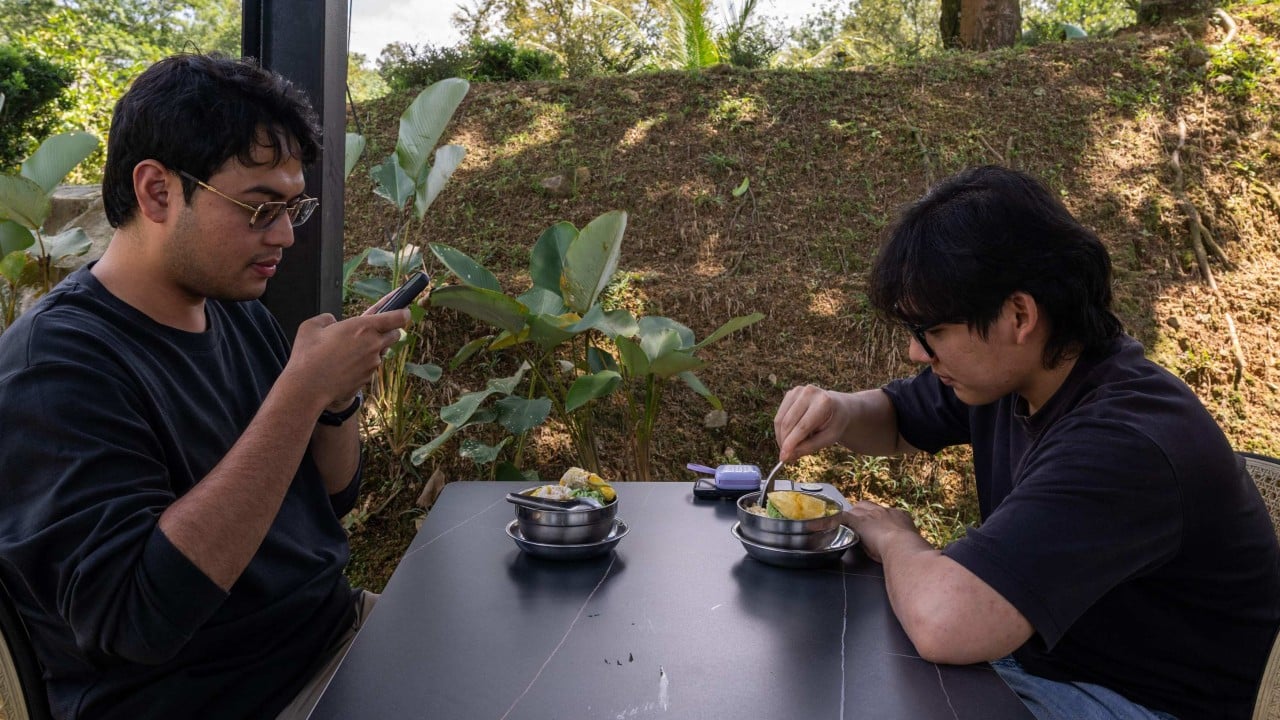
- Gastronomy: Capitalizing on the viral popularity of Malaysian dishes like roti canai and teh tarik, which have recently been showcased on popular Korean television variety shows.
When South Koreans see famous TV personalities enjoying street food in Penang or Sabah, demand spikes overnight. Tourism Malaysia is riding that wave, showcasing authentic local dining over generic hotel dining rooms.
Flight Connectivity Is the Ultimate Bottleneck
You can run the best marketing campaign in Asia, but if travelers can't get direct seats on a plane, your numbers will flatline. Direct air connectivity is the actual backbone of this entire initiative.
Tourism Malaysia is working closely with major carriers—including Malaysia Airlines, AirAsia, Batik Air, and Jeju Air—to maintain and expand direct routes linking major South Korean hubs directly to Malaysian cities. Frequent, direct flight options make long weekends feasible for overworked Korean professionals, turning a quick 5-to-6-hour flight into an easy getaway.
Having leadership on the ground in Seoul who understands the subtle cultural expectations of Korean travelers helps smooth out friction. When tourists run into issues or provide feedback about language barriers, transportation, or dietary needs, local directors can translate those complaints into actionable policy changes back in Putrajaya.
What This Means for Travel Operators and Visitors
If you're planning a trip to Malaysia or work in the regional travel sector, this strategy pivot shifts how the destination operates on the ground.
- Expect more Korean-language accessibility in secondary cities: Places like Ipoh (in Perak) or Kuching (in Sarawak) are actively expanding Korean signage, local guides, and digital translation support.
- Book independent experiences early: As independent Korean travelers seek out local cooking classes, wildlife treks, and eco-lodges, demand for boutique, non-packaged tours is rising quickly.
- Watch flight deals from regional hubs: Increased airline partnerships mean more aggressive pricing on routes serviced by budget carriers like Jeju Air and AirAsia.
Malaysia's push for 600,000 South Korean visitors isn't about doing more of the same. It's an admission that traveler habits have permanently shifted toward independence, local food, and real immersion—and the destinations that adapt fastest will take the lion's share of Asia's tourism revenues.