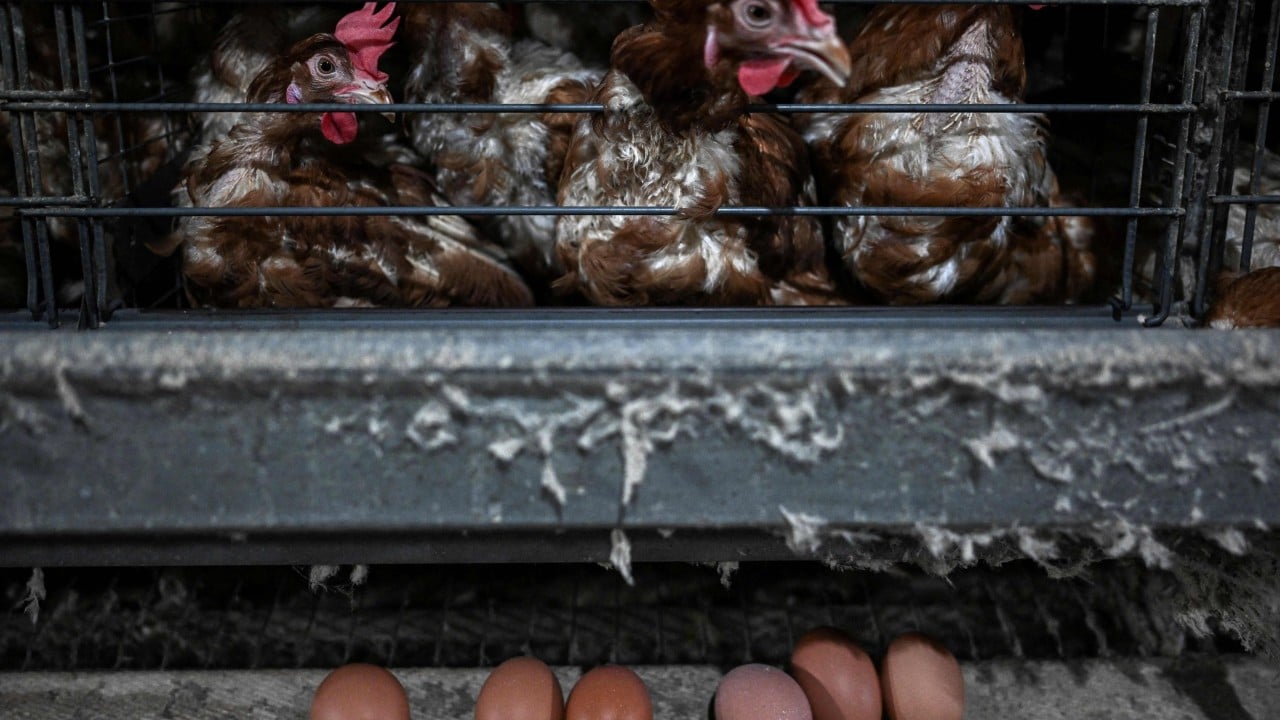
Walk into any local sundry shop or supermarket across Malaysia right now, and you'll notice a familiar annoyance. Egg shelves look a bit more sparse, and prices keep creeping up. Everyone blames inflation or feed costs. But farmers dealing with the daily grind know there is another silent culprit choking the agricultural sector: toxic regional smoke.
When regional air quality plummets, it isn't just humans who suffer. The country's poultry population takes a direct hit. Let's look past the standard political talking points and examine why thick smog and extreme weather are actively wrecking chicken productivity.
How Fine Particulates Destroy Poultry Health
Birds have delicate respiratory systems. When particulate matter like PM2.5 and PM10 blankets the region, chickens breathe in the heavy grit alongside the standard ammonia and dust trapped inside commercial coops.
It causes immediate respiratory stress. According to industry groups like the Malaysia Poultry Association, extended exposure impairs feed intake. When a laying hen stops eating properly, its body instantly shifts resources away from egg development to basic survival.
- Feed consumption drops sharply during heavy smog events.
- Stress hormones like corticosterone spike rapidly.
- Eggshell quality deteriorates, leading to cracked or weak yields.
The Heat Stress Double Whammy
Smoke doesn't arrive in a vacuum. It usually travels alongside scorching temperatures and prolonged dry spells tied to regional climate shifts. Modern broiler chickens and layers are bred for fast growth, which means they generate massive internal body heat.
When ambient temperatures climb past safe thresholds and the sky turns yellow-gray, chickens struggle to cool down. They pant heavily, reduce their feed intake, and drop egg output. Smallholders and large commercial operators alike are forced to spend heavily on industrial fans and upgraded shed ventilation just to keep flocks alive.
Professor Datuk Zulkifli Idrus from the Academy of Sciences Malaysia notes that severe heat stress can cause mortality within hours if birds cannot dissipate heat. Pair that baseline vulnerability with a thick blanket of smoke blocking out sunlight and clean airflow, and you get a recipe for plummeting productivity.
What This Means for Consumers
You might wonder if this translates to an immediate nationwide shortage. Industry experts usually urge calm, noting that Malaysia's national supply doesn't collapse overnight from a single weather event.
However, margin pressures are real. Farmers face rising utility bills for cooling systems, higher mortality rates among heavier birds, and lower per-bird monthly egg yields. When hundreds of farms experience these cumulative losses at the same time, supply tightens, and grocery bills climb.
If you want to track how food security holds up in the coming months, stop looking only at global grain prices. Keep an eye on regional air quality indices and farm-level cooling investments. That is where the real story of Malaysia's agricultural struggle unfolds.