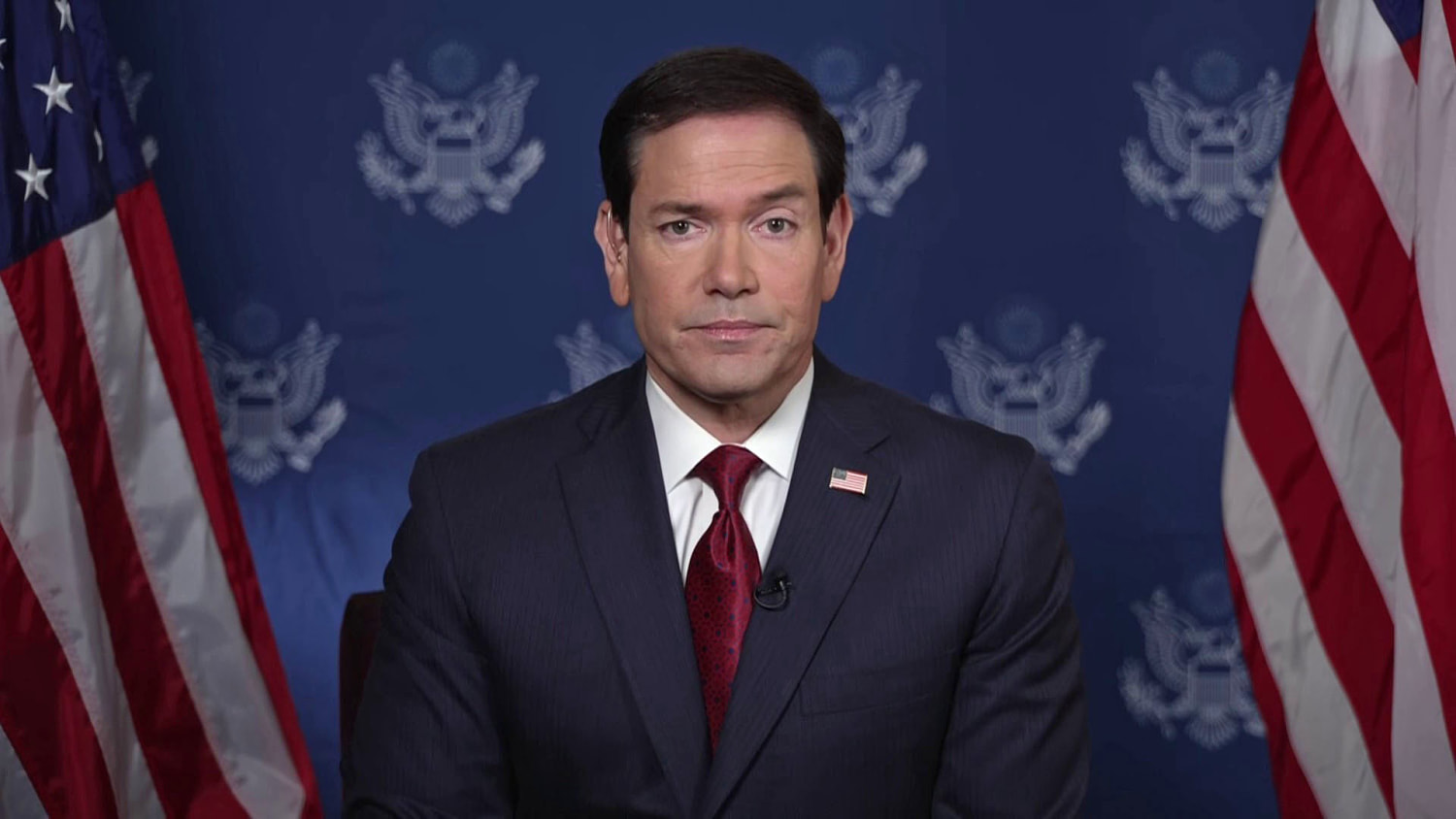
Secretary of State Marco Rubio wants you to know that nobody is shutting down CNN. During a fiery morning television appearance, Rubio shrugged off concerns about the Trump administration yanking press credentials from major news organizations. His defense boiled down to a stark distinction: the government isn't sending armed troops into newsrooms.
If you are wondering why the White House suddenly barred CNN, MS NOW, and Politico from its workspace, you are looking at the latest escalation in a multi-year war between the executive branch and legacy media. Trump announced the ban abruptly, calling the outlets peddlers of fake news and accusing them of actively rooting against American interests abroad. Within days, the targeted organizations fired back with a joint federal lawsuit, claiming an open violation of the First Amendment.
The Core Argument Behind the White House Press Ban
When pressed by interviewers about whether it is appropriate to ban journalists simply because a president dislikes their coverage, Rubio pushed back on the very use of the word "ban".
"We're not closing CNN," Rubio argued during his exchange on the NBC Today show. "There aren't a bunch of police officers or soldiers kicking down the doors of MSNBC—or MS NOW, whatever it's called—and arresting people and unplugging it from the grid".
Instead, the administration frames workspace access as a privilege rather than an absolute right. Rubio reasoned that a president shouldn't be forced to host reporters inside his own building if he believes their coverage is fundamentally dishonest. In the administration's view, these outlets can still report on the White House from the outside; they just don't get a dedicated desk inside the executive mansion.
Why This Fight is Heading Straight to Court
Media lawyers see things very differently. The joint lawsuit filed by CNN, MS NOW, and Politico argues that selective exclusion based on editorial viewpoint is textbook viewpoint discrimination.
Legal precedents like Sherrill v. Knight established decades ago that the government cannot arbitrarily yank press passes without due process. Once a public forum like the White House briefing room is opened to reporters, the administration cannot handpick who gets to stay based on whether a story hurts the president's feelings or challenges his agenda.
Critics of the ban point out a dangerous slippery slope. If today's administration can boot outlets for perceived bias, tomorrow's administration could use the exact same logic to silence conservative, independent, or alternative media. Press freedom relies on consistency, not presidential preference.
The Broader Battle Over Foreign Policy and Media Narrative
Rubio added another layer to his defense, revealing his own deep frustrations with mainstream reporting. He claimed that watching certain segments of American news coverage often feels like watching foreign adversaries get the benefit of the doubt.
"It sounds, in some cases, like they're rooting for Iran," Rubio said, pointing to how international statements are handled versus official American positions. This grievance taps into a powerful populist sentiment. Millions of voters share the belief that traditional media outlets operate with an institutional bias designed to undermine conservative governance.
Yet, treating press access as a weapon of retaliation changes the fundamental dynamic between those in power and the public they serve. When journalists are treated as political enemies rather than constitutional watchdogs, transparency takes a direct hit.
Check the court dockets over the coming weeks. This lawsuit will test how far executive privilege stretches when it collides with the First Amendment.