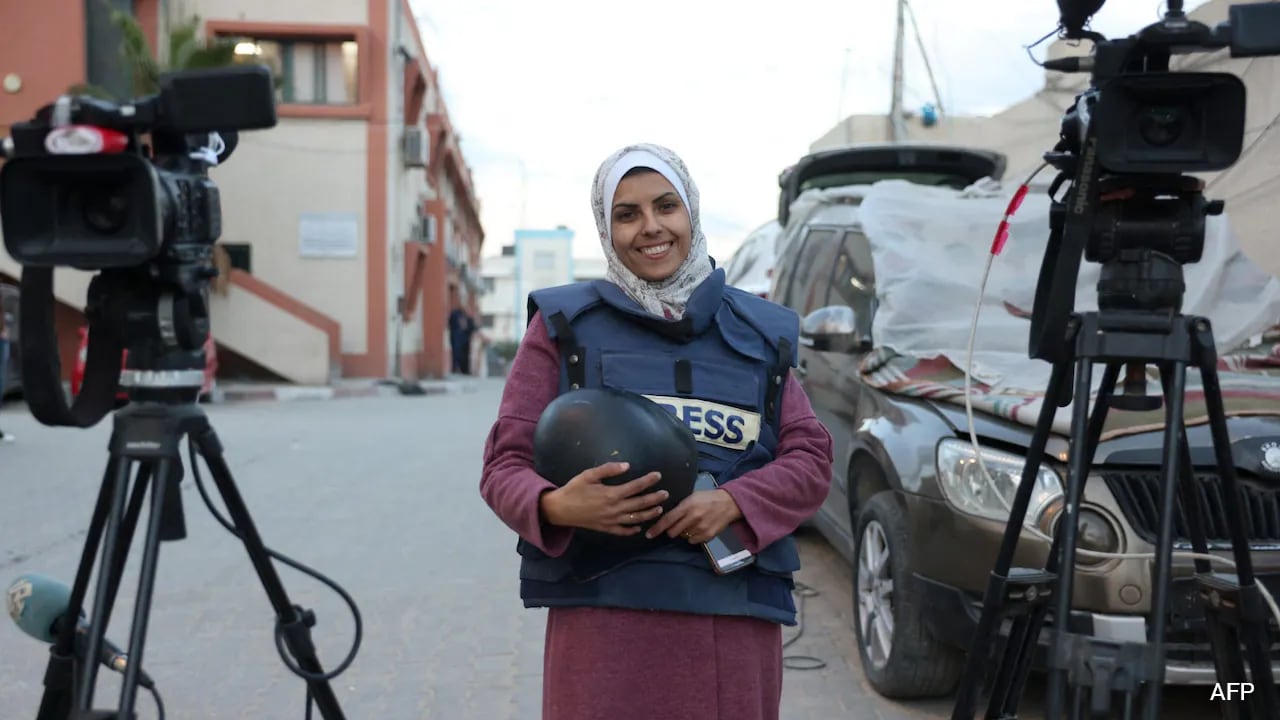
A camera lens does not stop an airstrike. That harsh truth sits right at the center of the news that Palestinian journalist Mariam Dagga, killed in an Israeli strike in Gaza in August 2025 at age 33, has posthumously won the Rory Peck Prize alongside Associated Press colleagues Abdel Kareem Hana and Jehad Alshrafi.
The Rory Peck Trust announced the honor for their coverage of the human toll of the conflict in Gaza. Dagga worked as an independent photographer and reporter with the Associated Press from the start of the war sparked by Hamas's October 7, 2023 attack on Israel. She died when a strike hit a hospital in southern Gaza, an incident that killed four other journalists as well.
Honestly, when I read wire briefs like the short dispatch published by NDTV, I often feel a strange disconnect. A two-minute news item lists names, dates, and quotes, then moves straight to the next crisis. Yet behind that summary is a massive shift in who risks their life to show the world what happens inside war zones, how freelance reporters get treated when danger spikes, and what an award ceremony in London really means when voices from conflict zones face barriers even trying to attend.
Why This Rory Peck Prize Honor Matters Beyond a Headline
Awards in journalism can sometimes feel like self-congratulation from far away. This one hits differently. Dagga wasn't a foreign correspondent flying into a calm hotel for a quick hit and flying out. She was reporting from her own home ground, under relentless danger, documenting daily life and loss for a global wire service.
Sharing the prize with Abdel Kareem Hana and Jehad Alshrafi also highlights something people overlook. War reporting in places like Gaza relies heavily on local journalists working alongside international newsrooms. When international outlets can't easily get foreign staff inside or keep them there safely for long stretches, local reporters carry the weight.
Associated Press executive editor Julie Pace, quoted in the Rory Peck Trust statement, pointed to the essential role journalists play in informing the public at enormous personal risk, adding that the AP honors Mariam and all journalists killed in this conflict and others while staying committed to seeking answers about their deaths. Those words sound straightforward, though anyone who has followed press freedom advocacy knows how slow, difficult, and contested accountability often is during active military operations.
What Freelance War Correspondents Actually Face on the Ground
Having followed conflict reporting and press-safety discussions for years, I've noticed a gap between how news consumers picture war reporters and how freelance journalism actually works. People imagine big networks wrapping staffers in bulletproof gear and endless institutional backing. Reality is much messier, especially for freelancers.
Let's be real about the practical trade-offs and risks:
- Institutional reach vs. local access: Major agencies like the Associated Press bring global distribution, editorial standards, and legal or diplomatic weight. Local freelancers bring deep familiarity with neighborhoods, languages, and communities that outsiders simply cannot match.
- Safety gear and insurance: Staff correspondents often get armored vehicles, hostile-environment training, and comprehensive medical or evacuation coverage. Independent contributors and local stringers frequently operate with thinner safety nets, even when they shoot footage that ends up on front pages worldwide.
- Emotional and physical exhaustion: Covering a prolonged war isn't a two-week assignment when you live where the sirens or strikes happen. Your family is at risk too. You can't just log off and fly home.
A common mistake audiences make is assuming that every journalist covering a war has the same protection or resources. They don't. Another misconception is that winning a prestigious prize equals justice or protection. A trophy honors courage and craft. It doesn't bring back someone killed in an August 2025 hospital strike, nor does it guarantee safety for the next reporter holding a camera tomorrow.
The Bigger Picture at the London Ceremony
The Rory Peck Trust has run its awards since 1995 in memory of video journalist Rory Peck, who was killed in Moscow in 1993, specifically to spotlight freelance video journalists. This year's ceremony also underscored how wide and grim the map of conflict reporting has become.
French photographer Robin Tutenges received the first-ever Rory Peck Award for Photojournalism for his work covering conflict in Ethiopia's northern Amhara region. Meanwhile, Sudanese freelance photographer and videojournalist Ahmed Mohamed Abdalla, an AFP collaborator, was shortlisted in that same photojournalism category for documenting the fall of El-Fasher to the paramilitary Rapid Support Forces during Sudan's civil war.
Here is a detail that really makes you stop and think. Abdalla could not attend the ceremony in London because the UK government denied him a visa. Instead, attendees heard a recorded video message in which he described residents in the besieged North Darfur capital resorting to eating livestock feed to survive amid constant missiles.
Think about the irony there. A journalist risks his life documenting a humanitarian catastrophe, earns international recognition on a shortlist, and still gets blocked from walking into a London hall to speak in person. Borders open easily for some people and slam shut on others, even when their eyewitness work is deemed worthy of global applause.
Credibility, Accountability, and What We Still Don't Know
When a conflict is intense and polarized, every claim gets scrutinized—and rightly so. Trustworthy reporting means being clear about what is verified and what remains disputed or under investigation.
In reporting on strikes that kill journalists, news organizations and press freedom groups routinely press for transparent investigations into the circumstances of each incident. At the same time, military authorities and independent observers sometimes offer conflicting accounts, operational explanations, or contested details about targets and surroundings. A solid reader doesn't swallow spin from any side, nor does a serious newsroom invent facts to fill in blanks.
That commitment to restraint matters. When an article sticks strictly to documented facts—like Dagga's age, her work with the AP since the war began after October 7, 2023, her death in an August 2025 strike on a southern Gaza hospital that killed four other journalists, and the statements from the Rory Peck Trust and the AP—it gives you solid ground to stand on. If you want to dig deeper into press freedom data and safety standards for journalists in conflict zones, organizations like the Committee to Protect Journalists and the Rory Peck Trust publish ongoing reporting and resources.
How to Read Conflict News Smarter and Support Press Freedom
You don't have to be a foreign policy scholar to read war coverage with a sharper eye. Small habits change how much you actually learn—and how you support the people putting themselves in harm's way to inform you.
- Check who actually shot and wrote the story: Look past the big wire or network brand to see if local reporters, freelancers, or contributors are credited. Their proximity often shapes what details make it into the frame.
- Read beyond the first summary: Short briefs give you the headline facts fast, which is handy, yet they rarely explain context, regional history, or ongoing disputes over accountability. Pair quick updates with longer investigative pieces and rights reports.
- Watch for visa and access barriers: When a reporter from a crisis zone can't travel or faces censorship, pay attention to whose voices are missing from international forums.
- Support organizations that back independent journalists: Consider donating to or following groups like the Rory Peck Trust or the Committee to Protect Journalists that provide grants, safety training, legal support, or emergency assistance to reporters under threat.
Keep paying attention to the names behind the bylines and the camera lenses. Because once the headlines fade, the people who stood in the crossfire to document what happened are the ones whose work stays behind.