Trade isn't just about moving goods across borders anymore. It's a weapon. Canadian Prime Minister Mark Carney just made his clearest move yet to insulate his country from economic coercion by setting a June target to nail down terms for Canada to become the European Union's very first "associate member".
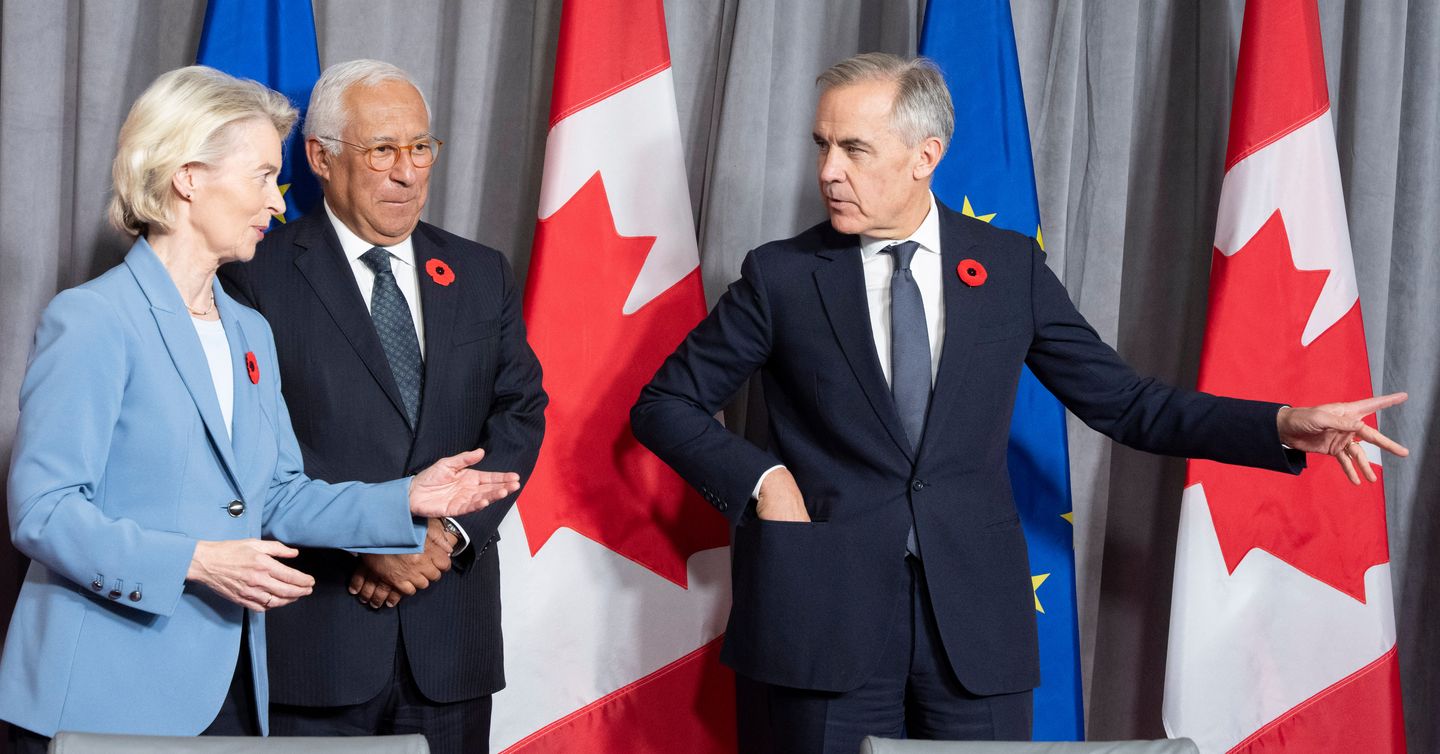
Standing shoulder-to-shoulder in Montreal with European Commission President Ursula von der Leyen and European Council President António Costa, Carney didn't mince words. The message was simple. When traditional alliances fracture under the weight of protectionist tariffs and White House pressure, you don't just sit there waiting for the next blow. You diversify. You build a transatlantic arch.
The Strategy Behind the June Timeline
Why June? Because Ottawa and Brussels want substantive answers before the geopolitical calendar shifts again. Carney announced that Canadian cabinet ministers and the College of European Commissioners will convene in March to hammer out the framework, paving the way for a formal package by early summer.
This isn't about full EU accession. Nobody is talking about Canada adopting the euro or sitting in the European Parliament. Instead, this groundbreaking tier of associate status aims to lock in deep strategic cooperation, streamline supply chains for critical minerals, boost digital integration, and align scholastic and research networks.
Critics at home, particularly conservative MPs, have tried to frame the push as a distraction, pointing out that older trade frameworks like CETA still require full ratification across remaining European capitals. But Carney's supporters argue that standard diplomatic playbooks are useless in an era where Washington openly floats annexation ideas and weaponizes tariffs.
Navigating Friction Across the Atlantic
Let's be honest. Not everyone in Europe is rolling out the red carpet. Key member states, led notably by Germany, have bristled at inventing a brand-new "associate member" category for a North American nation. Berlin worries about setting messy precedents or diluting the bloc's internal mechanics.
Yet, von der Leyen has doubled down, championing the idea that middle powers must band together when the global rules-based order breaks down. The recently unveiled "Alliance for the Future"—christened during the Montreal summit—serves as the test bed for this cooperation. It's open to other like-minded nations willing to resist protectionism, signaling a shift away from pure reliance on the American market.
The economic math driving Carney's calculus is straightforward. Canada sends the vast majority of its exports south of the border. When those supply lines face arbitrary tariffs and political volatility, vulnerability becomes an existential threat. By tying Canada closer to the single market of the EU, Ottawa gains leverage it hasn't had in decades.
What Comes Next
The path to June won't be clean. Negotiators have months of tough bargaining ahead to define what associate status actually grants Canadian businesses and researchers in practice. Domestic opposition will demand answers on sovereignty and regulatory harmonization.
Watch the March cabinet-commissioner meetings closely. That's where the abstract rhetoric of transatlantic solidarity meets the hard reality of trade chapters and regulatory texts. If Carney pulls this off, he will have fundamentally redrawn Canada's economic map.
Conservative MPs call for full ratification of Canada–EU Trade Agreement
This video provides useful context on the domestic political friction and legislative debates surrounding Canada's trade arrangements with Europe.