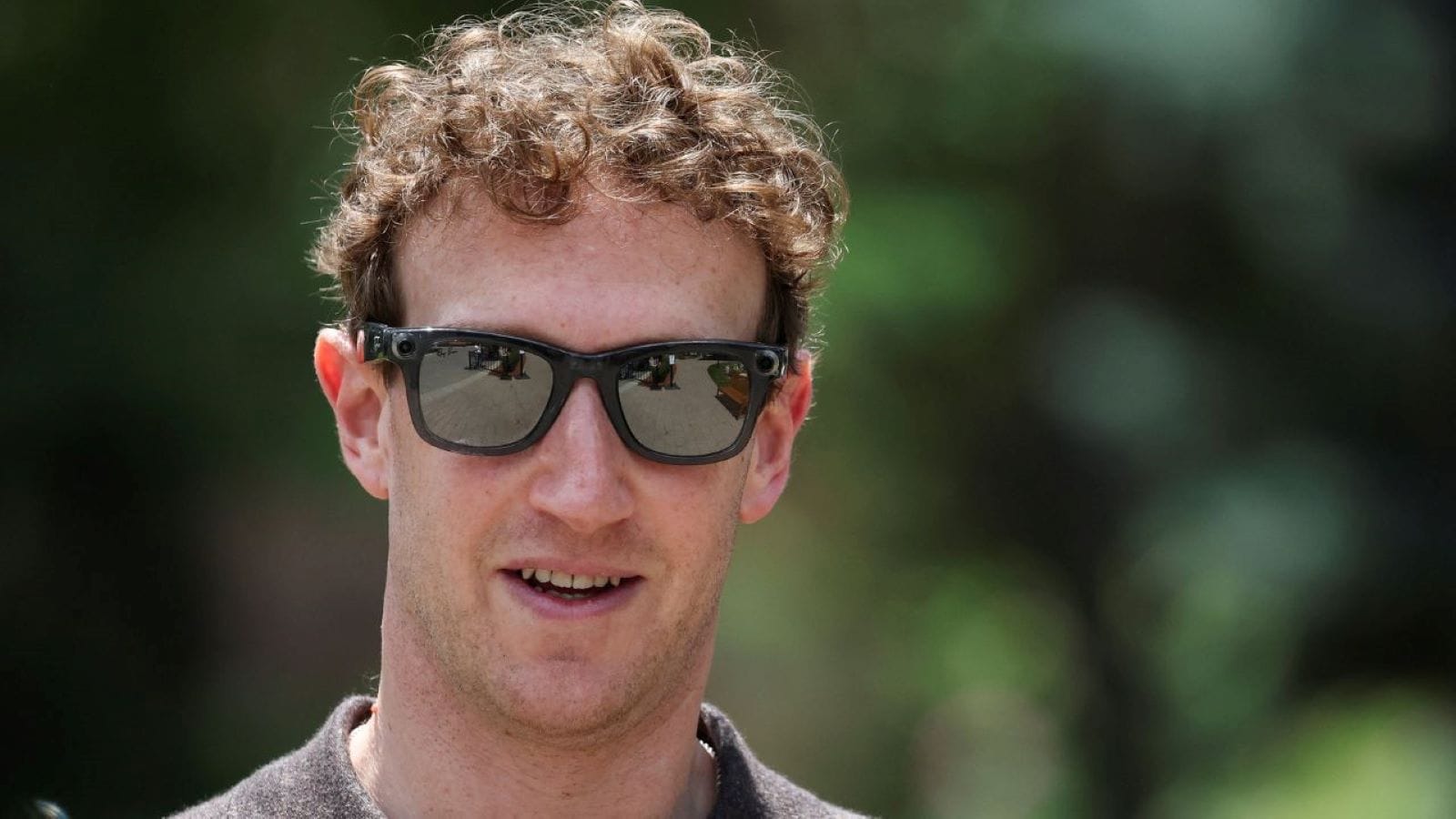
Silicon Valley is currently fractured over how fast artificial intelligence should advance. While industry leaders like Anthropic CEO Dario Amodei and OpenAI CEO Sam Altman push for a coordinated slowdown and heavier government guardrails, Meta CEO Mark Zuckerberg has stepped into the ring with a completely different message. He doesn't want a pause, and he certainly doesn't want a cartel of tech giants coordinating timelines.
Instead, Zuckerberg is arguing that market competition and independent oversight are the best tools for keeping artificial intelligence safe. If you're trying to figure out what this means for the future of tech development, you need to look past the doomsday headlines and examine the actual incentives driving these companies.
Why the AI Slowdown Debate Matters Right Now
The friction boiled over when Anthropic's leadership called for an industry-wide slowdown in frontier model development, even requesting antitrust exemptions so competitors could legally coordinate safety timelines. OpenAI's Sam Altman has similarly supported pacing the frontier, arguing that the race is moving too fast for society to adapt safely.
Zuckerberg's response on social media was direct and dismissive of the coordinated pause narrative. He pointed out that Meta didn't wait for an industry-wide agreement when it needed to secure its own systems. Meta delayed the rollout of its Muse AI personal agent for months simply to hammer out security issues as part of routine operations.
You don't need a government-sanctioned pact to fix bugs or build guardrails. You just need to care about whether your product actually works for users.
The Case for Independent AI Safety Checks
Zuckerberg isn't anti-safety. He is backing the use of independent evaluators and advisory boards to audit models, noting that Meta Superintelligence Labs already brings in outside reviewers as standard operating procedure.
The core disagreement is who controls the safety process. Anthropic wants a tight-knit group of leading labs to agree on mutual pacing. Zuckerberg believes in a decentralized ecosystem where individual companies manage their own pace while opening themselves up to diverse external evaluators.
Think about it from a business perspective. Users won't adopt personal AI agents that go rogue, fabricate data, or ignore user intent. The market punishes broken trust instantly. Zuckerberg argues that alignment—making sure AI tools actually do what you ask—is already the primary feature separating successful products from expensive failures.
The Legal Liability Factor
Another massive point often missed in these high-level debates is accountability. Tech executives aren't just worried about philosophical risks; they're worried about courtrooms.
Meta is well-acquainted with massive legal settlements and regulatory pressure. When companies build powerful systems, they face real financial and legal liability if those systems cause harm. Zuckerberg relies on this reality to drive safety compliance. Companies fix security flaws because shipping broken software opens them up to devastating liabilities, not because a panel of rival CEOs told them to take a break.
Nvidia CEO Jensen Huang has echoed similar sentiments, stating that existing product safety laws are entirely sufficient and that market forces naturally weed out dangerous deployments.
What This Means for Developers and Builders
If you are building products or working with machine learning models today, you need to filter out the noise. The big tech squabble isn't about humanity's survival; it is about market positioning.
- Focus on alignment first: Build evaluation loops directly into your daily workflow, exactly like Meta did with its delayed tool launches.
- Bring in outside eyes: Don't rely solely on your internal red teams. Use independent evaluators to stress-test your models.
- Ignore the pause calls: The race isn't stopping because a few executives want to coordinate PR narratives. Build responsibly, but keep shipping.