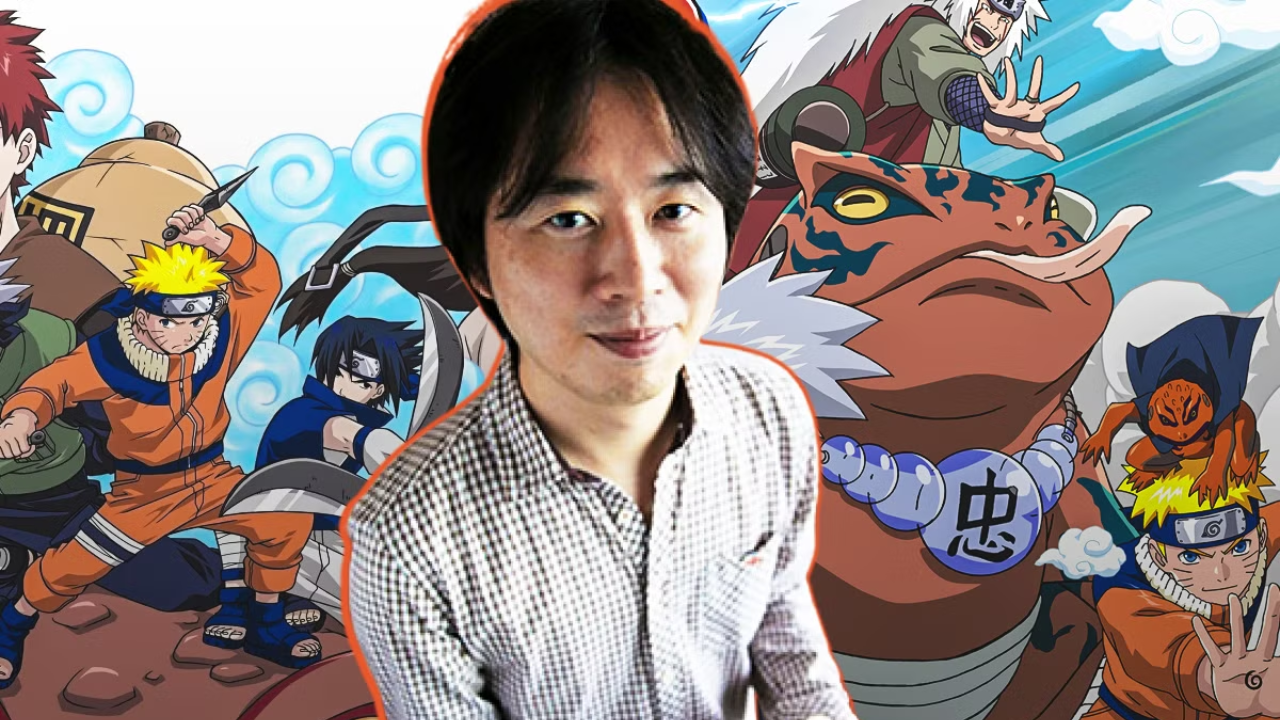
Public opinion is brutally fickle. If you stake your entire life on a wild idea and fail, people call you a reckless fool. If you pull it off against all odds, they hand you a crown and call you a visionary. Masashi Kishimoto captured this exact cruelty when he stated that the difference between insanity and genius is measured only by success and failure.
You see this dynamic everywhere. Society loves to worship the finished product while mocking the messy, uncertain process required to get there.
The Rejection Years That Built Naruto
Before Naruto became a global phenomenon selling over 250 million copies, Kishimoto spent years facing closed doors. He won Shueisha's Hop Step Award in 1995 for his one-shot manga Karakuri, but what followed wasn't instant glory. It was a grind of rejected pitches and endless revisions.
In Japan's Weekly Shōnen Jump, survival depends on brutal weekly reader surveys. If a series drops in ranking, it gets cut. Most creators play it safe to survive. Kishimoto didn't. He insisted on slow-burning storylines, morally gray villains, and heavy emotional trauma.
If Naruto had tanked in its first ten weeks, industry critics would have pointed to those exact creative choices as proof of his delusion. They would have said he ignored market demands. Because the series conquered the world, those same choices transformed into genius. The line separating a madman from a master is entirely drawn by the scoreboard.
The Psychology Of Outcome Bias
Psychologists have a name for this trap. It is called outcome bias. Humans judge the quality of a decision based almost entirely on how it turns out, ignoring whether the decision was logical when it was made.
Think about Thomas Edison burning through thousands of failed material tests for the light bulb. While he was failing, local observers wrote him off as stubborn and unhinged. The moment the filament held, his stubbornness morphed into legendary determination.
History forgets the people who took identical risks and lost. They bleed out in obscurity, labeled as cautionary tales. Yet their daily routine looked identical to the icons we celebrate today. They woke up early, ignored their critics, obsessed over a singular obsession, and bet everything on a gamble.
Modern Innovation And The Risk Penalty
This bias shapes modern industries just as fiercely as it shapes manga publishing. Look at aerospace engineering or early artificial intelligence ventures. When Elon Musk poured capital into SpaceX with the insane idea that orbital rockets could land vertically and be reused, traditional aerospace experts laughed him out of the room. They called the concept economically unviable and technically absurd.
Had those early rocket boosters crashed permanently without a single successful landing, history books would record Musk as a cautionary tale of hubris. Instead, landing rockets became the new baseline, and the narrative flipped overnight.
Society demands innovation, but it punishes the awkward, messy experimentation required to achieve it.
How To Ignore The Noise
If you are working on something ambitious, Kishimoto's observation is either terrifying or liberating. It means you cannot rely on public validation while you are building.
People who do not understand your vision will label your unorthodox methods as crazy until the results force them to change their vocabulary. If you wait for permission or consensus, you will never build anything worth talking about. Stop letting other people's scorekeeping dictate your self-worth. Build the thing, take the gamble, and let the outcome sort out the labels later.