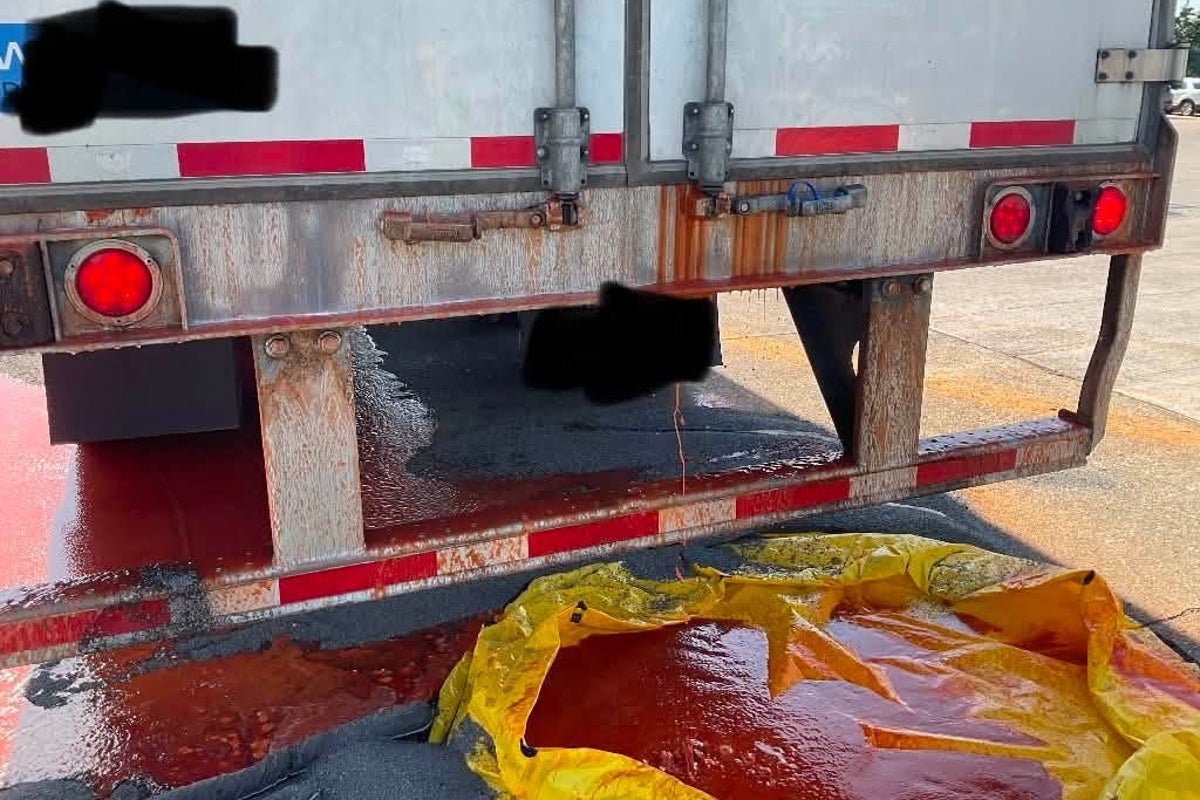
Imagine driving home at 5 p.m. on a scorching Tuesday afternoon. The summer heat is hitting hard. Suddenly, the highway ahead turns a deep, sticky shade of reddish-orange. Your car smells like a giant plate of buffalo wings, but nobody is eating.
That became reality on Interstate 71 in northern Delaware County, Ohio. A semi-truck carrying 40,000 pounds of Frank's RedHot sauce sprang a massive leak. It painted the northbound lanes in a pungent, vinegar-heavy glaze before the driver pulled off at a truck stop near U.S. Route 36 and State Route 37.
Most people saw the viral headlines and laughed. The internet erupted with jokes about needing giant chicken wings. Local residents giggled at the pure absurdity of the situation.
But behind the memes lies a massive cleanup operation. Industrial food spills present major problems for local infrastructure and ecosystems. You can't just hose down 20 tons of hot sauce and go home. The reality of cleaning up this spicy disaster reveals why a simple highway leak quickly became a hazardous materials situation.
The Hidden Environmental Danger of Gourmet Cargo
When a tanker carrying fuel crashes, everyone knows the drill. Hazmat teams rush out. They deploy booms. They stop the flow.
When the cargo is hot sauce, the public expects a simple garden hose cleanup. That is a massive mistake. Washing 40,000 pounds of Frank's RedHot down the storm drains would cause an ecological disaster in local waterways.
The primary ingredient in most commercial hot sauces is vinegar. Vinegar is highly acidic. If thousands of gallons of acetic acid enter a local creek, the water chemistry changes instantly. The pH level drops rapidly. Local fish and aquatic organisms cannot survive sudden, drastic shifts in pH. They suffocate.
Then you have the capsaicin. That is the chemical compound that gives peppers their heat. In a bottle on your kitchen table, it is delicious. In a delicate river ecosystem, capsaicin acts as a highly potent, natural insecticide. It coats the gills of fish. It destroys the microorganisms that form the base of the aquatic food chain.
The Berkshire, Sunbury, Trenton & Galena Fire District understood this immediately. Fire Chief Chris Kovach made the call to stop any washing operations. They refused to spray the interstate down. Instead, the crews had to treat the condiment exactly like a chemical spill. They used specialized containment pools. They laid down absorbent materials to trap the thick liquid on the asphalt. The Ohio Environmental Protection Agency swarmed the scene to ensure none of the spicy liquid reached the regional drainage systems.
The Nightmare Facing Local Motorists
The spill did not just stay on the asphalt. It got tracked. Hundreds of commuter vehicles drove right through the slick before officials could close the area or redirect traffic.
Hot sauce does not behave like water. It is sticky. It contains sugars, garlic powder, and thick binders designed to make it cling to food. When it hits a hot car chassis on a brutal summer day, it bakes onto the metal.
One local resident reported spending $30 at commercial car washes in a single afternoon. The sauce refused to come off. The heatwave essentially turned the highway into an oven, baking the acidic glaze directly into the clear coat of passing vehicles.
If you leave an acidic, salt-heavy substance on automotive paint, it eats through the clear coat. It ruins the finish. It can even jumpstart rust on exposed metal parts underneath the vehicle.
Local authorities eventually pointed frustrated drivers toward their insurance companies. The Columbus Dispatch confirmed that motorists affected by the sticky road mess could file claims. The trucking company's liability insurance will ultimately have to bear the financial weight of detailed vehicle cleanups, environmental remediation, and highway maintenance costs.
Accountability and the Logistics of Insecure Cargo
Driving a semi-truck involves managing immense kinetic energy and highly volatile cargo weights. When 40,000 pounds of liquid cargo shifts or leaks, the consequences are immediate.
The Ohio State Highway Patrol began investigating the cause of the failure right away. Lieutenant Robert Curry noted that the agency would likely issue a citation for an insecure load.
Trucking companies must follow strict federal and state regulations regarding cargo securement. Liquid loads in containers or bottles require specific pallet configurations, shrink-wrapping, and heavy-duty strapping to prevent shifting during transit. If a pallet breaks or shifts, individual bottles crush each other. The liquid pools at the bottom of the trailer. Then it finds a seam in the metal flooring and pours onto the highway.
The unnamed trucking company faces a massive financial headache. They lost the entire value of the shipment. They must pay for the commercial hazmat cleanup crews tasked with scraping the dried sauce off the road. They face legal fines from the state highway patrol. They also face a wave of insurance subrogation claims from angry drivers whose cars now smell like a sports bar.
What You Should Do If Caught in a Food Spill
Highway cargo spills happen far more often than you realize. Trucks drop everything from liquid chocolate to raw eggs and tomato paste on American highways every single year.
If you find yourself driving through an industrial food spill, you need to act immediately to protect your property. Do not assume a quick drive through a rainstorm or a standard automated car wash will fix the problem.
- Avoid braking hard directly in the fluid. Thick food substances like syrup, oils, or hot sauce reduce tire traction significantly. Maintain a steady speed and steer straight until you clear the zone.
- Do not use your windshield wipers immediately if the substance splashes your glass. If the material is sugary or sticky, your wiper blades will simply smear it across your field of vision, blinding you at highway speeds. Use heavy bursts of windshield washer fluid to dilute the substance first.
- Document the incident right away. Note the exact mile marker, the time of day, and the direction of travel. If you can safely identify the truck involved or see the company name, write it down. You will need this for your insurance claim.
- Neutralize the acids on your vehicle. For acid-heavy spills like hot sauce or fruit juices, wash the car by hand using a high-quality, pH-balanced automotive soap. Avoid automated car washes that reuse water, as they can spray diluted acids right back into the crevices of your vehicle.
- Clean the undercarriage thoroughly. Use a high-pressure garden hose attachment to spray underneath the wheel wells, the brake assemblies, and the exhaust system. Food residues trapped in these high-heat areas will burn, create terrible odors, and accelerate corrosion.
The cleanup crews in Delaware County spent days ensuring the highway was safe and the local streams remained free of vinegar pollution. It stands as a stark reminder that in commercial transport, even the most mundane household pantry items can become a genuine environmental hazard when they hit the asphalt all at once. If your vehicle suffered damage during the I-71 incident, contact your insurance provider immediately to open a comprehensive property damage claim against the carrier's commercial policy. Use a dedicated iron-remover soap on your car's exterior panels to break down the stubborn, baked-on organic residues before they permanently pit your paint.