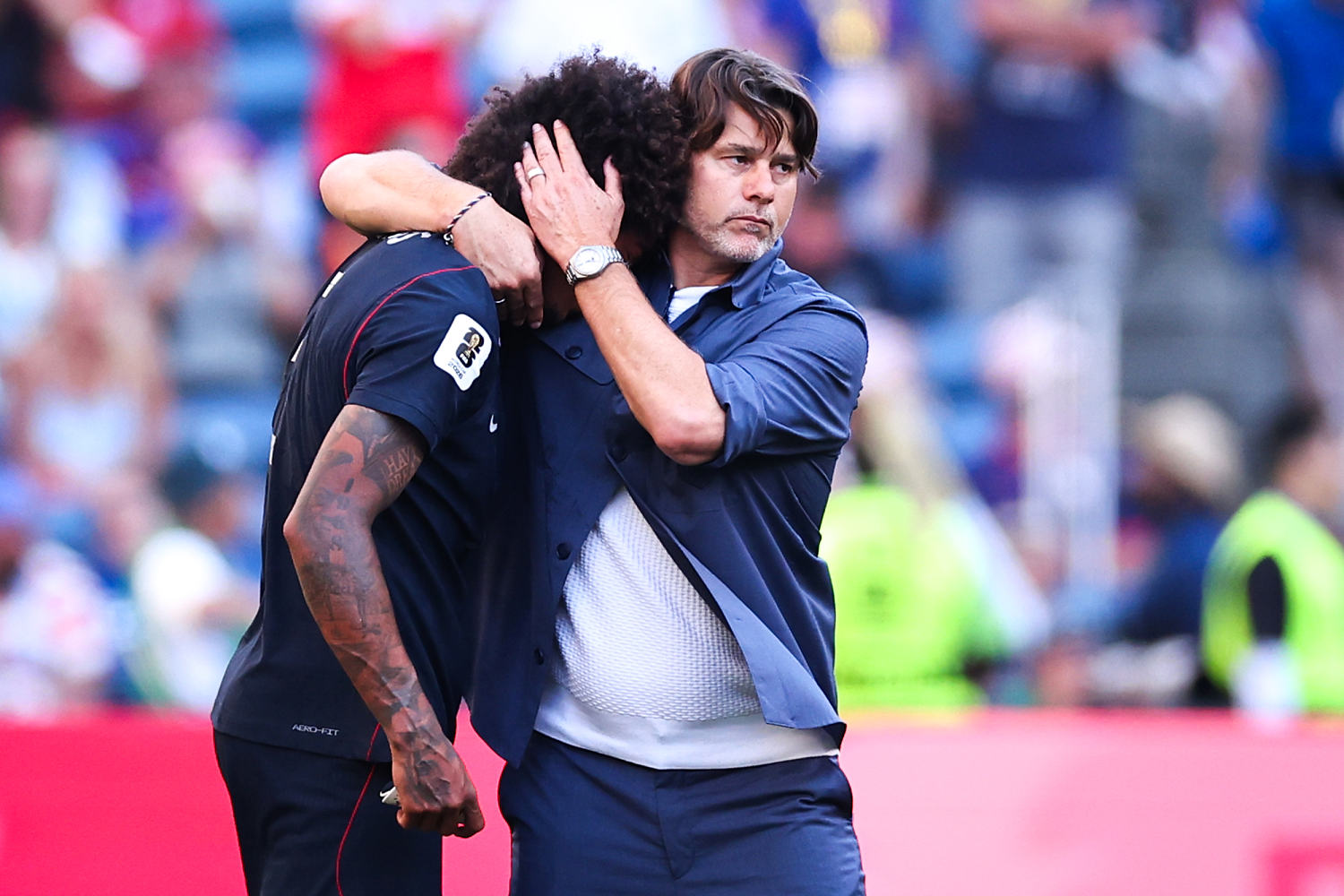
U.S. Soccer just made the best possible long-term bet for the men's national team. Mauricio Pochettino isn't going anywhere.
Despite a stinging Round of 16 exit to Belgium this summer, the federation locked down the Argentine manager to a new four-year contract extension that runs through the 2030 World Cup. Some pundits fretted over the lopsided knockout defeat, but cutting ties now would have meant starting from scratch. Instead, U.S. Soccer chose continuity.
If you look past the final whistle of that tournament, the math makes complete sense. Pochettino brought an identity, won a program-record three matches at a single World Cup, and most importantly, got elite European clubs to finally take American talent seriously.
The Reality of Shorter Cycles
Let's be honest about how the USMNT usually operates. We panic, fire the coach, hire a recycled MLS manager or an unproven outsider, and burn two years figuring out how to set up a mid-block.
When Pochettino took over in late 2024, he had less than twenty months to prepare a disjointed squad for a home World Cup. That isn't enough time to instill a complex tactical culture, let alone change the psychological DNA of a team that historically shrinks against elite opposition.
Pochettino said it best after the tournament ended. He spent the first two years just assessing who could actually handle the intensity of international football. Now, he has total clarity. Giving him a full cycle—complete with actual qualifiers, a Gold Cup, and the 2028 Copa America—changes everything. He can build a pipeline instead of just patching leaks.
What Needs to Change Before 2030
Having a world-class manager on a multi-year deal is great, but the roster has glaring holes that won't fix themselves. Pochettino has plenty of work ahead if he wants to turn the USMNT into a genuine quarterfinal threat.
First, the center-back position is aging out fast. Tim Ream has been a warrior, but he won't be anchoring the defense in 2030. Chris Richards needs a reliable, battle-tested partner, and younger prospects like Noahkai Banks need to be integrated quickly.
Second, the player pool needs real depth. Under Pochettino, we've seen dozens of players cycle through camps, but the drop-off in quality between the starting XI and the bench remains alarming. When injuries hit against top-tier tier teams, the system wobbles.
Funding the Future
Money talks, and once again, private backing is footing a massive part of the bill. Billionaire hedge fund manager Ken Griffin and other key donors stepped up to make sure U.S. Soccer could keep a manager of Pochettino's caliber.
This new agreement isn't just about the senior team. Pochettino and his staff are taking on an expanded advisory role across youth development and coaching education. That systemic oversight is what American soccer has lacked for decades. We produce athletes easily, but teaching them how to read a match at an elite European level requires a unified national blueprint.
Bruce Arena is the only other modern US boss to coach across consecutive World Cup cycles, and that ended in a group-stage crash in 2006. History warns us that second acts can get stale.
Pochettino is different. He's operating with higher standards, calling out players publicly when their commitment lags, and demanding professionalism that makes everyone uncomfortable in the best way possible.
Trust the process, keep the manager, and let him finish the job.