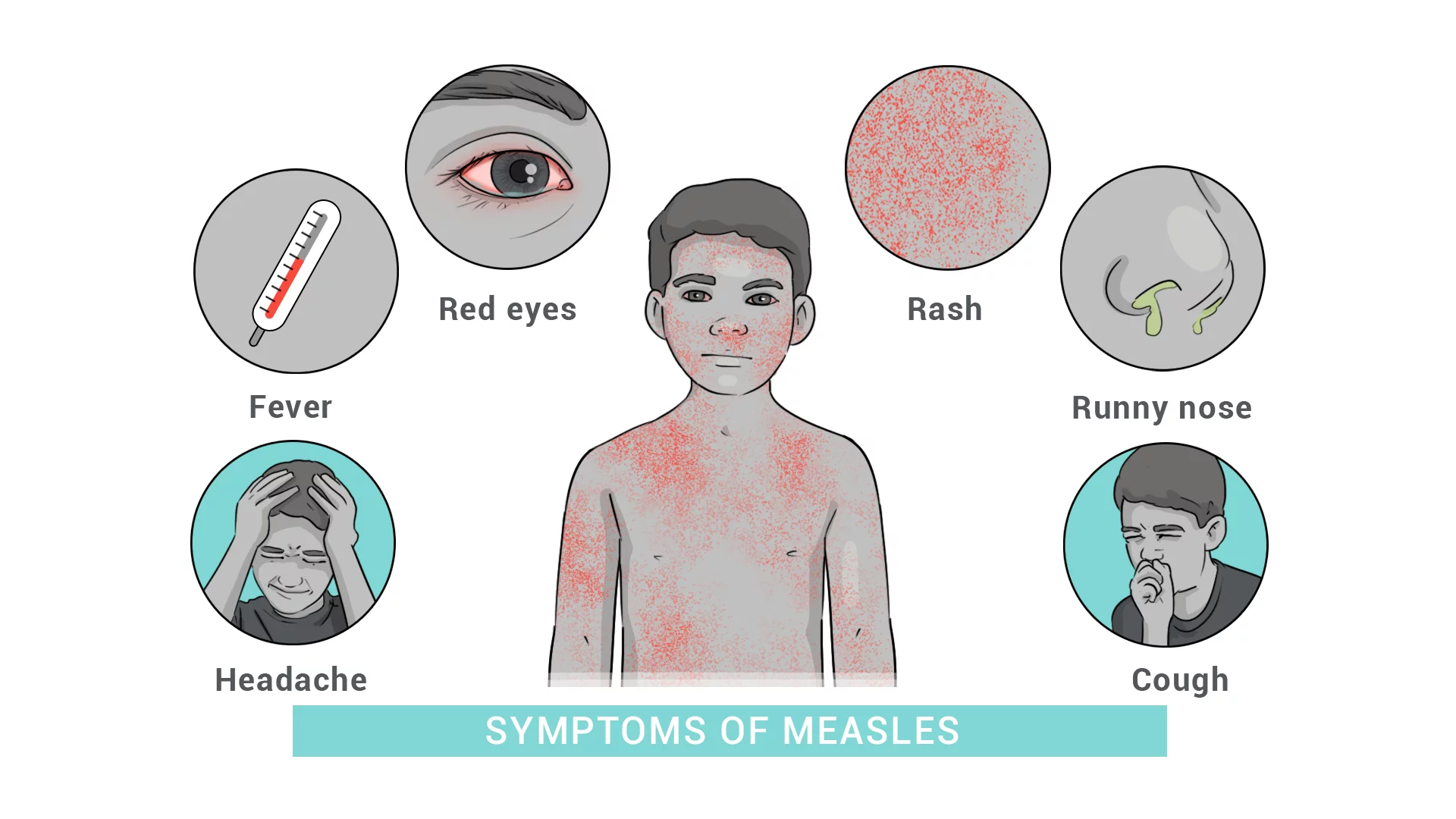
We used to think of measles as a miserable childhood rite of passage accompanied by a fever, a distinct rash, and a couple of weeks in bed. Doctors treated the acute symptoms, patients recovered, and conventional wisdom assumed they walked away with lifelong protection against the virus.
That story was dangerously incomplete.
Groundbreaking research revealed that the measles virus does something far more insidious than just make you sick for a few days. It systematically strips your body of immunological memory. It rewinds your biological clock, wiping out antibodies and specialized immune cells you built up over a lifetime against entirely different diseases.
Scientists call this phenomenon immune amnesia. If you contract measles, your immune system basically forgets how to fight off everyday infections you had already beaten, leaving you vulnerable to bugs you were once safe against.
The Cellular Wipeout
To understand why immune amnesia happens, you have to look at what the virus targets inside your body. The measles virus doesn't just attack random cells. It zeroes in on lymphocytes expressing the CD150 receptor—which happens to be the hallmark protein found on memory B and T cells.
These memory cells are your body’s historical archive. They keep a detailed record of every pathogen, vaccine, and infection you've ever encountered. When a familiar germ tries to invade, your memory cells sound the alarm and deploy specialized antibodies within hours.
Measles hijacks this system by infiltrating these memory vaults and destroying them. High-resolution immune repertoire sequencing studies show that an unmitigated measles infection can wipe out anywhere from eleven to seventy-three percent of a person's preexisting antibody diversity.
Your white blood cell counts might bounce back to normal levels after you clear the virus, but the composition of your defense force changes entirely. You are left with a blank slate, populated mostly by naive cells that have no record of past infections.
A Baby-Like Vulnerability
When your immune memory gets wiped out, your physiological defenses revert to a state resembling infancy. Babies are uniquely susceptible to infections because their immune systems are still maturing and lack exposure history.
Contracting measles drops an adult or an older child back into that same unprotected state. Researchers demonstrated this by tracking unvaccinated children and studying how their antibody profiles shifted before and after contracting the virus. While the kids developed strong immunity against future bouts of measles, their protection against influenza, Epstein-Barr virus, pneumococcus, and chickenpox plummeted.
Animal models confirm the same dangerous vulnerability. Ferrets previously vaccinated against the flu lost their protection after contracting a measles-like virus, suffering significantly worse illness when exposed to influenza afterward.
This explains a long-standing epidemiological mystery. For decades, public health data showed that measles outbreaks were routinely followed by mysterious spikes in deaths from unrelated infections like bacterial pneumonia, diarrhea, and other respiratory bugs months or even years later. The primary killer wasn't always the measles virus itself; it was the secondary infections that capitalized on an erased immune history.
Why Vaccination Is the Only Real Shield
You cannot train your immune system to avoid immune amnesia by "catching it naturally" to build toughness. Natural infection is precisely what triggers the memory wipeout.
The measles, mumps, and rubella vaccine, on the other hand, uses a weakened, live-attenuated version of the virus. It triggers a strong protective response against measles without invading your bone marrow reserves or destroying your existing archive of memory cells. By preventing the primary infection entirely, the vaccine shields your broader immunological history from being erased.
We tend to measure the toll of vaccine-preventable diseases by looking solely at acute hospitalization rates and direct mortality. That narrow view misses the bigger picture. When vaccination rates drop and measles makes a comeback, the true cost isn't just a rash and a fever. It is the silent, widespread loss of immunity to the world around us.
Protecting communities against measles isn't just about stopping one virus. It is about keeping your immune history intact so you don't have to relearn how to survive everything else.