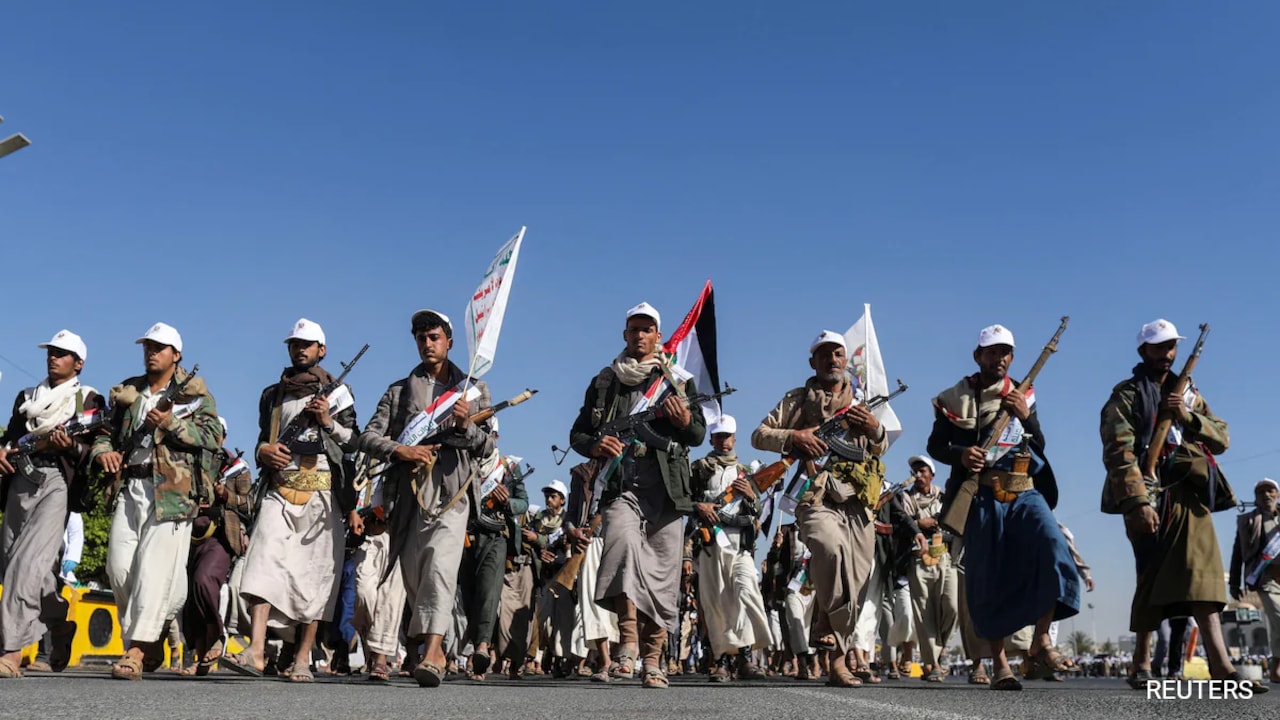
Paper alliances look brilliant on boardroom tables until real bullets start flying. When the Houthis sent drones toward Saudi infrastructure and struck deep into the consciousness of Gulf security, they didn't just rattle Riyadh. They exposed the Mecca Joint Defense Agreement between Saudi Arabia, Pakistan, and Turkey for what it actually is: a diplomatic security blanket with zero teeth.
You see, grand pacts get signed with flashing cameras and pompous press releases. Leaders talk about mutual defense shields matching the scope of NATO. But when actual conflict lands on the doorstep, the script flips instantly. Islamabad and Ankara suddenly discover procedural delays, fine print, and urgent domestic priorities that prevent them from firing a single shot in defense of their Saudi partners.
The Illusion of the Tripartite Shield
Turkish Foreign Minister Hakan Fidan once marketed this alignment as a heavy-hitting defense umbrella. The idea was simple. Saudi petrodollars combined with Pakistan's nuclear-backed military and Turkey's battle-tested drone warfare capability would create an unstoppable deterrent across West Asia.
Then reality hit.
Houthi drones and missile salvos targeted critical energy arteries like the East-West Petroline after the Strait of Hormuz faced continuous bottlenecks. Shipping lanes around the Bab al-Mandab strained under persistent rebel pressure. Yet, instead of launching joint air campaigns or moving troops to stabilize the Red Sea coast, the response from Islamabad and Ankara consisted mostly of carefully worded social media posts calling for restraint.
Pakistan's Prime Minister Shehbaz Sharif expressed deep solidarity and condemned the escalation while making sure to emphasize that his government wanted dialogue. Turkish officials quickly pointed out that the alliance paperwork needed time for formal ratification and operational structuring.
You can't buy courage or sudden strategic alignment in a rush order. Pakistan shares a massive, volatile border with Iran and wants zero part in an open war that could trigger domestic instability. Turkey balances complex trade routes, regional rivalries, and economic pressures of its own. Expecting them to jump into the middle of Yemen's intractable quagmire was always a fantasy.
Why Riyadh Got Left Hanging
Saudi Arabia spent years trying to insulate itself from regional blowback. The intervention in Yemen back in 2015 turned into a grueling campaign. Riyadh sought out foreign partners to share the burden and project strength as traditional American security guarantees evolved.
Instead of getting a defensive shield, the kingdom found itself managing a paper tiger. When the aerial threat briefly pushed holy Mecca onto emergency alert, the gap between political rhetoric and actual military relief became impossible to ignore. Riyadh didn't get battalions from Islamabad or drone wings from Ankara; it got diplomatic statements urging peace and maximum restraint.
The Real Lesson of the Houthi Escalation
Geopolitics rarely rewards wishful thinking. Alliances built on mutual convenience rather than shared, unconditional blood-and-iron commitments always fracture under genuine pressure.
If you're looking at regional security today, stop taking mutual defense agreements at face value. Look at logistics, domestic constraints, and actual operational readiness. When push comes to shove, countries look inward first. The rest is just noise.
Mecca Pact Under Test: Why Aren't Pakistan And Turkey ...
This video provides an in-depth breakdown of how the recent Houthi escalations put the Mecca defense agreement under heavy scrutiny and why Pakistan and Turkey held back from direct military engagement.