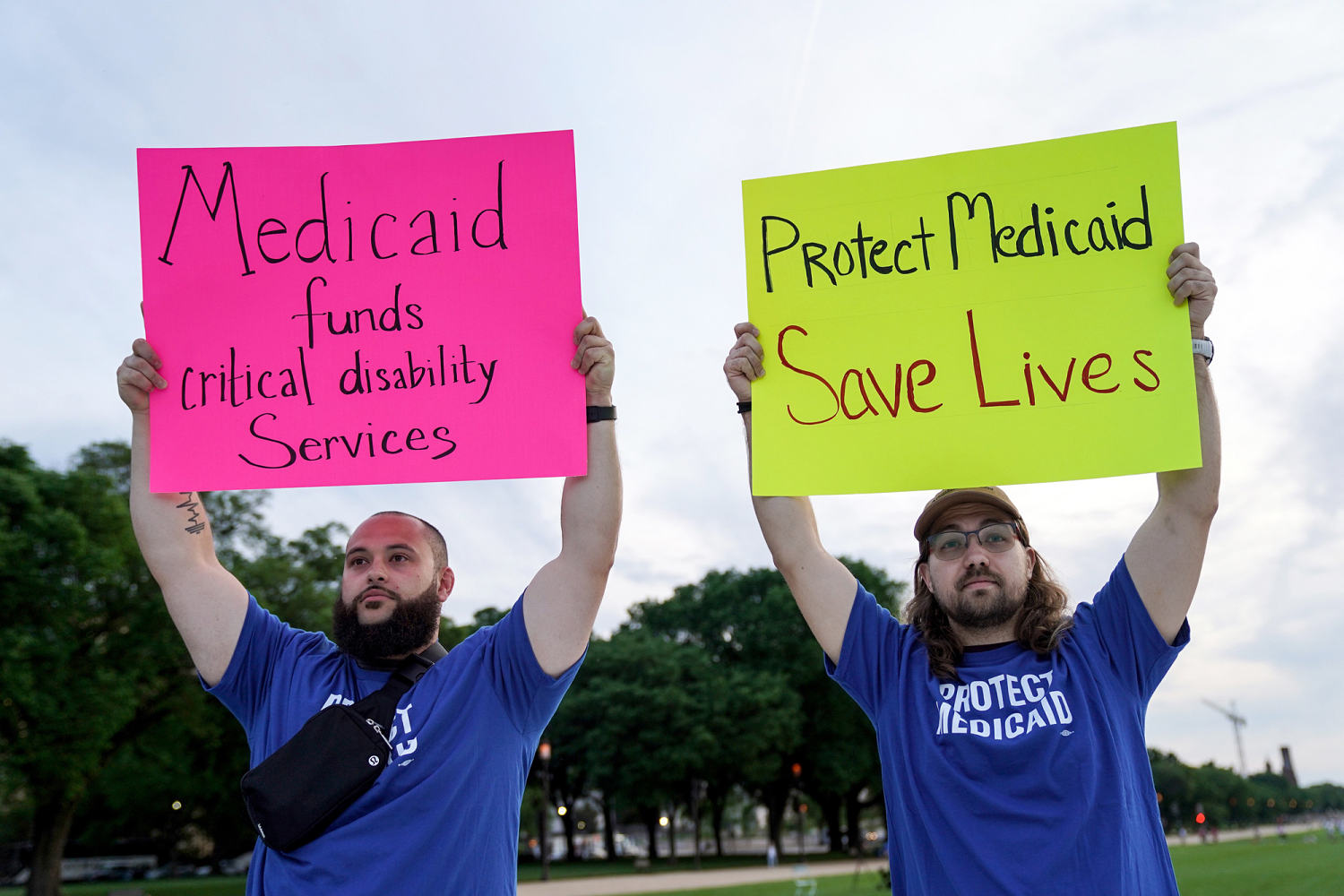
You're already working 75 hours a month instead of 80. Or your portal password expired. Or you missed a single PDF upload from your phone in a rural county with spotty 4G.
Poof. Health insurance gone. For another view, read: this related article.
Welcome to the reality of upcoming federal Medicaid work requirements under the One Big Beautiful Bill Act (OBBBA), targeting nearly 20 percent of eligible adults in expansion states who sit in the danger zone of noncompliance, according to research published in JAMA Health Forum. Urban Institute models suggest up to 10 million people could lose coverage as the rules roll toward nationwide implementation.
Campaigns are scrambling to educate enrollees. Most of those campaigns are missing the point. Paper pamphlets don't fix broken state call centers or narrow medical frailty lookback periods. Similar reporting on this matter has been published by WebMD.
Who Actually Gets Hurt
The narrative says slackers lose benefits. Data says something else.
KFF notes that over 60 percent of Medicaid adults already work full- or part-time. The ones dropping off won't be lazy people refusing a job. They'll be gig workers with jagged schedules, single moms with teenagers past the arbitrary exemption age cutoff of 14, and older adults aged 50 to 64 who burned out in construction and can't re-enter a tight hiring market.
Boston University School of Public Health findings show nearly 1 in 5 expansion-state enrollees risk failure—about 13.6 percent hovering near the minimum hour threshold and 7.6 percent bouncing through wildly unpredictable seasonal hours.
If your hours swing from 110 in July to 45 in November because your warehouse cuts shifts, state lookback math treats you like you quit.
The Paperwork Trap
Bureaucracy eats safety nets alive.
Georgia’s early rollout showed what happens when portals glitch, phone queues stretch past two hours, and language lines drop. Enrollees don't lose coverage because they hate working. They lose it because proving 80 hours a month requires digital receipts that low-income workers juggling public transit often cannot archive.
Look at medical frailty exemptions. CMS interim final rules require recent clinical touchpoints and tight 12-month claims lookbacks. Doctors waste hours writing bureaucratic notes instead of treating chronic disease. Patients with degenerative or episodic flare-ups get caught in administrative limbo.
What Advocacy Campaigns Get Wrong
Campaigns funded by health advocacy groups usually preach awareness. They drop infographics telling people "Don't forget your hours!"
Useless.
If you work two cleaning gigs and a shift at a diner, you don't need a reminder to work. You need an automated API sync between payroll providers and state portals, or state-level presumption of compliance for low-wage sectors. Telling people to manually log hours is a design choice meant to suppress enrollment, and public education campaigns that treat it as a personal time-management failure are gaslighting the public.
Practical Survival Steps for Enrollees and Advocates
If you help patients or family members navigate this, stop talking about general advocacy. Do this right now:
- Audit payroll stubs monthly: Do not wait for annual redetermination. Screenshot cumulative monthly hours on the 25th of every month.
- Map exemption triggers early: If chronic illness is part of the picture, schedule quarterly check-ins with primary care physicians specifically structured around functional capacity documentation—not just routine symptom management.
- Designate an authorized representative: Appoint a trusted community health worker or family member inside state portal account settings to receive official notices before deadlines choke out response windows.
- Track gig-platform summaries: Export monthly earnings-per-hour ledgers from Uber, DoorDash, or temp agency apps rather than submitting raw bank deposits.
Moving Past Compliance Theater
Work reporting mandates don't incentivize labor attachment. They price vulnerable citizens out of care they already qualify for. Treating this as a communication campaign rather than an administrative crisis guarantees millions of preventable gaps in diabetes treatment, oncology follow-ups, and maternal care.
Fix the intake friction. Or watch the safety net shred itself.
How new Medicaid work requirements could affect families with
This video provides real context on how household caregiving realities and complex health conditions intersect with mandatory Medicaid compliance hours.