Dmitry Medvedev is barking again, and honestly, you shouldn't tune it out just because he's done this a dozen times before.
When a senior figure on Russia's Security Council talks about a preventive nuclear attack in a legal journal while German broadcasters report intelligence about a nuclear-armed Russian satellite supposedly gearing up for launch within 60 days, the timing hits differently. Even if you take Medvedev's rhetoric with a bucket of salt, combining legalistic nuclear threats with orbital anxiety forces a real conversation about deterrence, space security, and what actually happens if things spiral.
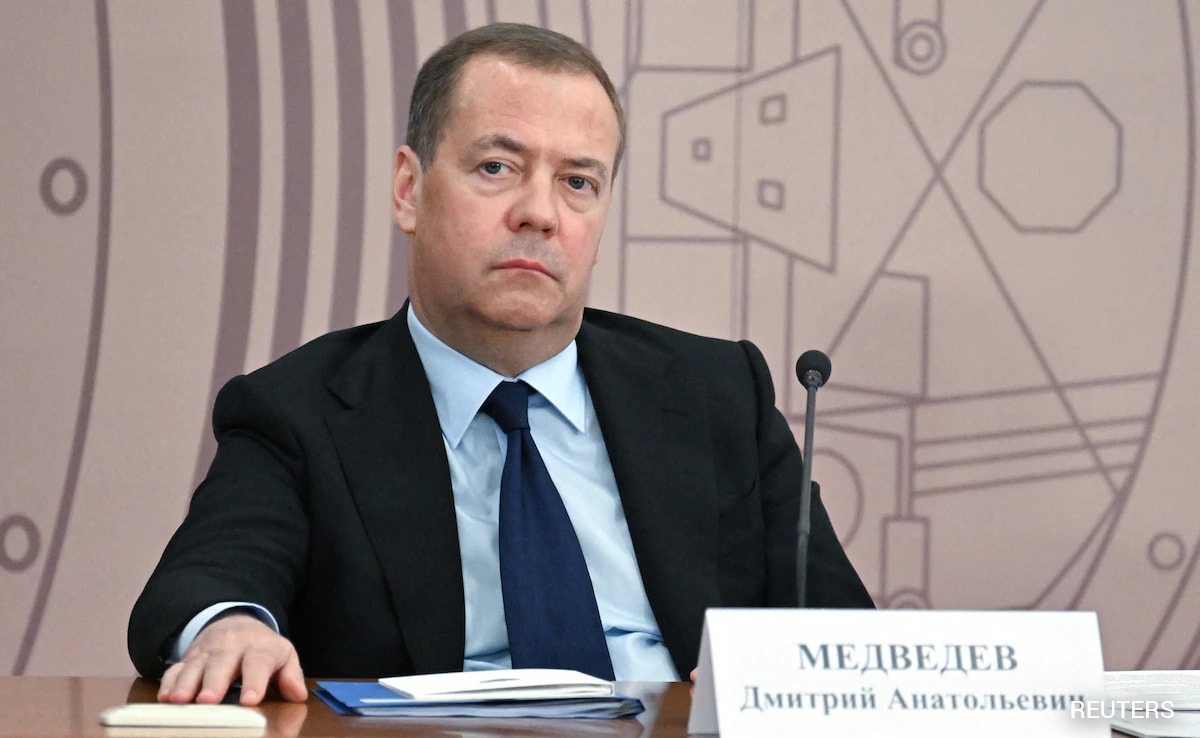
Let's be straight about what happened this week. According to reporting on the story, Medvedev published an article in the Moscow Journal of International Law titled "State Sovereignty and Nuclear Weapons: International Legal Aspects of Ensuring National Security," with excerpts circulated by TASS. In it, he argued that massive non-nuclear strikes causing catastrophes could open the door to a preventive Russian nuclear attack, claimed Ukraine and NATO allies had crossed thresholds, pointed to alleged secret Western nuclear supplies to Kyiv, and said President Vladimir Putin would carefully weigh consequences before deciding. Around the same time, German public broadcasters NDR and WDR reported intelligence shared with NATO suggesting Moscow could launch a nuclear-armed satellite—named "Sputnik-S" in those reports—within roughly two months to disrupt or destroy other satellites. Germany's government said it takes the reports seriously, NATO Secretary General Mark Rutte pledged to defend against threats in space, and Russia's embassy in Berlin dismissed the claims as unfounded propaganda.
If you're searching for this story, you probably want two things fast. First, is WWIII starting tomorrow? Almost certainly not. Second, why are nuclear threats and orbital weapons showing up in the same news cycle, and how much of this is bluster versus real risk?
Why Medvedev's Nuclear Rhetoric Keeps Showing Up in Legal Wrappings
I've watched Russian nuclear signaling for years, and one mistake people constantly make is treating every speech or essay as a literal countdown clock. Medvedev's role as deputy chairman of Russia's Security Council makes him an official voice inside Moscow's security apparatus, not an impulsive outsider shouting at clouds. Yet his tone is routinely theatrical, combative, and aimed at shaping Western calculations.
Putting these claims inside a formal international law journal is a specific tactic. Instead of a raw social media post, framing a preventive nuclear attack around "sovereignty," "proportionality," and "obligation" tries to make extreme escalation sound like a sober legal doctrine. That doesn't make it lawful under international treaties or universally accepted security norms. It makes it a signaling tool.
Notice also the built-in hedge in his remarks. Saying Putin will "carefully weigh the consequences" and assess proportionality leaves Moscow room to maneuver. In practical security analysis, nuclear signaling works best for the sender when adversaries feel pressured to self-deter without the sender actually having to cross the nuclear threshold.
- Psychological pressure on allies: Accusing Western nations of crossing thresholds or secretly supplying nuclear arms to Kyiv is meant to make capitals nervous about deeper support for Ukraine.
- Domestic and elite alignment: Hardline messaging reinforces a siege narrative at home and signals loyalty to the Kremlin's toughest posture.
- Ambiguity as leverage: Keeping exact red lines fuzzy forces rivals to guess what counts as a "catastrophic" non-nuclear blow.
What Satellite Plans and Orbital Threats Actually Mean
Space sounds like sci-fi until you remember how much daily life runs through orbit. Navigation, military communications, weather tracking, timing signals for financial networks, and reconnaissance all depend on satellites moving thousands of miles above Earth.
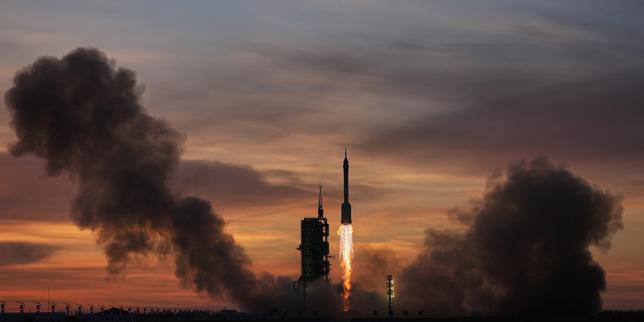
In the reports cited by German media, the alleged system—referred to as "Sputnik-S"—was described as a nuclear-armed satellite capable of disrupting or destroying other satellites, potentially within a 60-day window. Russia's embassy in Berlin rejected those reports outright as propaganda. Whenever intelligence leaks or media reports surface about orbital weapons, two realities exist side by side. One is that intelligence communities routinely track prototype capabilities and ambiguous orbital maneuvers long before a weapon is deployed or used. The other is that even a high-altitude nuclear detonation in space is wildly indiscriminate.
Think about what happens if someone detonates a nuclear device in orbit. You don't just quietly zap one enemy bird. A space nuclear blast creates intense radiation that can fry electronics on unhardened satellites across multiple orbits and generate dangerous debris or long-term radiation belts. That kind of effect threatens commercial systems, allied assets, and potentially even the attacker's own space infrastructure.
A weapon that blinds everyone in orbit isn't a surgical scalpel. It's a blunt hammer that hits the whole room.
In real-world defense planning, that indiscriminate risk is exactly why experts have long debated whether Moscow would ever actually use a nuclear device in space versus using it as an implied threat to extract political concessions. Without independent confirmation of the reported "Sputnik-S" timeline or payload, treat exact launch dates and system names as reported claims rather than settled fact.
How Moscow's Nuclear Warnings and Space Claims Intersect
Put the essay and the satellite reports together and you see a familiar pattern of compound pressure. One track warns of terrestrial escalation if certain thresholds are crossed; the other stokes anxiety about vulnerability in orbit where attribution and response times feel trickier.
That intersection matters for NATO and Western planners. When Mark Rutte says the alliance will defend against space threats, that isn't just empty reassurance. Space defense involves better space domain awareness, tracking suspicious objects, hardening critical satellites, building resilient constellations, and making clear that attacks on vital space systems carry severe consequences.
Still, there's a big gap between preparing for an orbital threat and proving an imminent launch. Overreacting to unverified leaks can fuel panic, while underreacting leaves blind spots. Good strategy lives in the messy middle.
Common Misconceptions That Trip People Up
When headlines mix words like "nuclear," "attack," and "satellite," people jump to conclusions fast. I see the same four mix-ups over and over whenever these stories hit the wire.
First, a warning or doctrine essay isn't an order to launch. States publish strategic arguments, legal rationales, and threat assessments constantly. Words are cheap compared to pushing a button that ends your own regime.
Second, a space nuclear weapon isn't the same thing as a city-destroying ICBM strike. Even when people talk about nuclear capabilities in orbit, the primary military concern discussed by defense analysts is disrupting satellites or creating electromagnetic/radiation effects in space—not a conventional battlefield strike on a town. Both are grave, yet they aren't identical scenarios.
Third, denials from embassies don't settle the truth, and media leaks don't either. A Russian embassy calling German media reports propaganda is standard diplomatic pushback. Equally, media reports based on leaked intelligence inputs can overstate timelines or mix up experimental programs with operational deployments.
Fourth, deterrence isn't a one-way street. Medvedev's framing makes it sound as if Moscow holds all the cards and simply decides whether to punish others. In reality, any nuclear use—on Earth or in orbit—carries massive, unpredictable blowback for Russia's economy, diplomacy, and security.
Practical Next Steps You Can Take Right Now
You don't need a bunker in your backyard because of this news, and you also don't need to doomscroll until two in the morning. Here's how to handle moments like this like a grounded adult.
- Separate confirmed facts from reported claims: Note clearly what is directly stated (such as Medvedev's published essay excerpts and official statements from Berlin, NATO, and the Russian embassy) versus what comes from media-reported intelligence (such as the 60-day window or the "Sputnik-S" label).
- Check multiple credible sources before sharing: Don't amplify sensationalized social media threads that mash two separate stories together into a guaranteed timeline. Look at established reporting from outlets like NDTV and primary institutional statements from NATO to keep context straight.
- Keep basic everyday resilience in mind without panicking: Having a small stash of cash, basic medications, flashlights, and charged power banks is smart for ordinary power outages or storms anywhere—not a sign of impending nuclear war.
- Watch official policy and diplomatic shifts, not just speeches: Pay attention to actual arms-control moves, alliance posture changes, and verified space-tracking reports over weeks and months rather than reacting to every tough line in an opinionated essay.