Airports look like gleaming machines of convenience from the passenger terminal. You check your bags, grab your coffee, and board your flight without ever thinking about the ecosystem working right beneath your wings. But that fragile bubble bursts when tragedy strikes close to the tarmac.
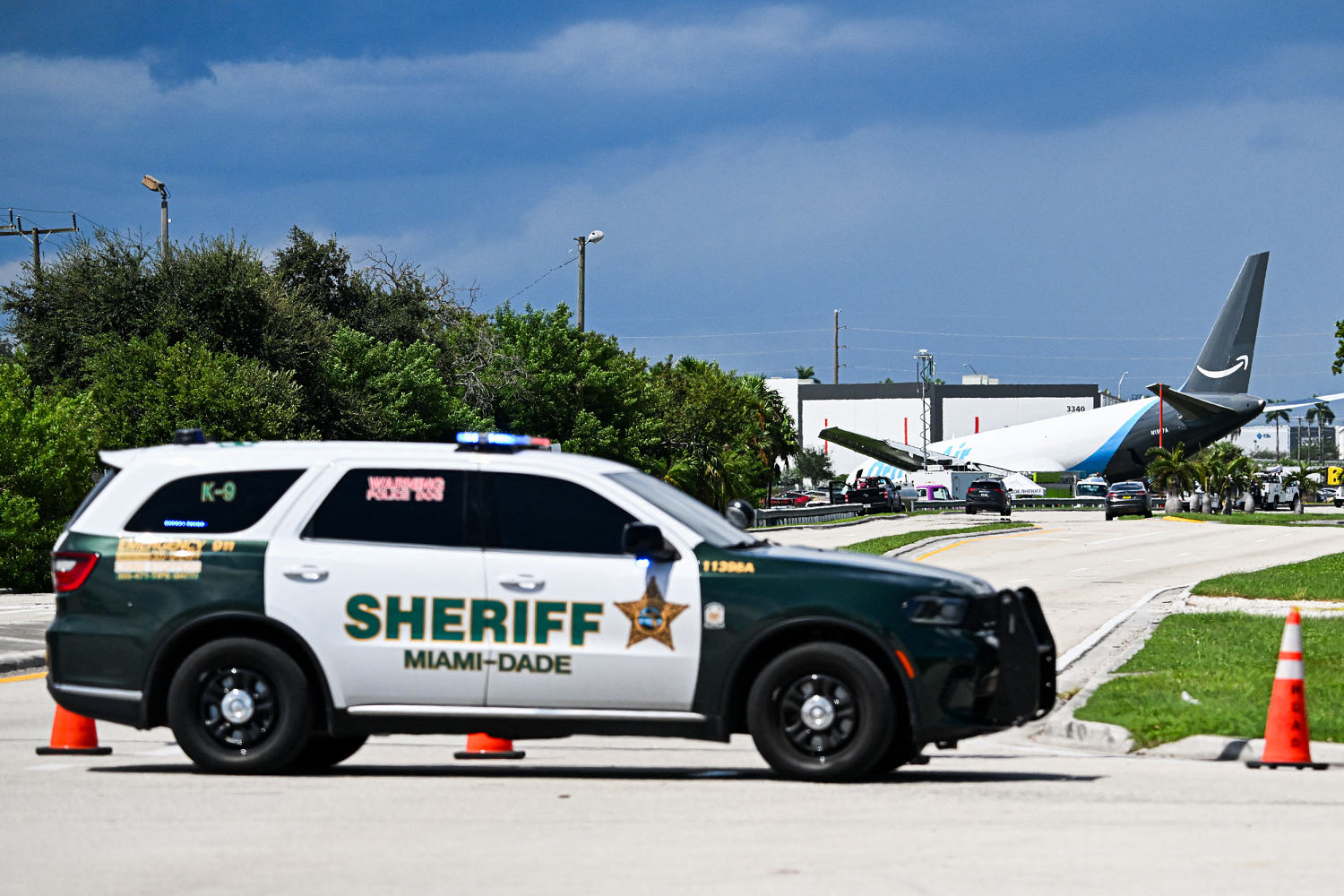
When an Amazon-branded Boeing 767 cargo jet careened off a runway at Miami International Airport, it didn't just smash into empty tarmac. It destroyed a van carrying an airport cleaning crew finishing up a brutal eight-hour shift. Five people died when that heavy aircraft plowed through a perimeter fence and crushed the vehicles on the ground.
If you're wondering what actually happened on that runway, you aren't alone. The details emerging from federal investigators point to a terrifying sequence of events that highlights the hidden human cost of round-the-clock global logistics.
The Raw Numbers and the Crash Timeline
The National Transportation Safety Board laid out a chilling sequence regarding the cargo flight operated by 21 Air. Flight data recorders show the plane touched down on the 9,360-foot runway, applied brakes for seven seconds, and then released them. The pilots throttled up, attempting a last-second go-around maneuver before changing their minds again four seconds later, slamming the brakes back on and idling the engines while traveling at roughly 135 miles per hour.
The jet skipped 1,300 feet past the paved surface, flattened navigational equipment, smashed into a 2012 white Ford Econoline van, busted through a perimeter fence, struck a Toyota SUV on Northwest 67th Avenue, and finally slammed to a halt in a parking lot filled with Tesla robotaxis.
Five people lost their lives. All five victims—Rolando Aleman Leon, Yoel Rodriguez Naranjo, Julio C. Pineda, Carlos Acosta Fajardo, and Javierkys Reyes Quevedo—were workers inside the cleaning company van operated by Professional Ocean Service Corporation.
The Hard Reality of Airport Contract Labor
We tend to focus entirely on pilots, air traffic controllers, and corporate brands when an aviation disaster happens. Yet the reality is that the lowest-paid, hardest-working people absorb the highest risks.
Plane cleaning crews face grueling conditions. They lug heavy cleaning supplies up narrow metal aircraft stairs, haul heavy trash bags from overhead bins, scrub restrooms, and wipe down trays while racing against impossible airline turnaround times. It is hot, demanding, and low-wage work characterized by high turnover and minimal safety buffers.
These workers are vital to the aviation machine. Without them, planes cannot turn around, schedules collapse, and global supply chains grind to a halt. Yet they often operate in the shadows, moving across active airport grounds in vans that leave them vulnerable to surface-level hazards most passengers never picture.
Accountability and the Legal Fallout
The disaster has already triggered aggressive legal battles. Attorneys representing the family of Yoel Rodriguez Naranjo, who was driving the cleaning van, filed a wrongful death lawsuit naming Amazon, 21 Air, and the flight crew.
It shines a harsh spotlight on corporate accountability within modern logistics networks. While Amazon's logo and "Prime Air" branding plastered the fuselage, the aircraft was operated by a third-party carrier, and the victims worked for an independent contractor. Companies spend millions building legal insulation between mega-retailers, contract carriers, and service providers. When catastrophic accidents happen, sorting out liability becomes an exhausting labyrinth for grieving families.
Meanwhile, federal investigators continue dissecting cockpit voice recordings and flight data to determine why a routine cargo landing turned into an absolute nightmare.
Pay attention to how airport ground logistics operate around you next time you fly. The human element of logistics goes far deeper than a smiling delivery driver or a ticketing agent. Protect your peace, stay informed, and remember the invisible workforce keeping the world moving.