Winning eight gold medals at the 2008 Beijing Olympics secured Michael Phelps a spot in sports history. It also handed him a one-million-dollar bonus from Speedo. Most athletes would have bought a fleet of luxury cars or a seaside mansion. Phelps took a different route entirely. He used every single dollar of that bonus to establish the Michael Phelps Foundation, setting off a chain reaction that has transformed tens of thousands of young lives.
If you look past the pool deck and the twenty-three gold medals, you find an athlete who realized early on that athletic glory fades fast. Real impact requires infrastructure.
Turning Pool Success Into Practical Action
The foundation didn't start with grand, vague ambitions about changing the world. It focused on a stark reality: water safety and youth swimming access. Drowning remains a leading cause of accidental death for children, a statistic that hit close to home for anyone watching youth sports access plummet in underprivileged neighborhoods.
Phelps partnered with the Boys & Girls Clubs of America to launch an initiative initially called "Dream, Plan, Reach." It wasn't just about teaching kids how to dog-paddle. It was about instilling structured goal-setting techniques. The curriculum mirrored the exact mental framework Phelps used to train under coach Bob Bowman. Break massive, impossible targets down into daily, manageable tasks.
By 2010, the "im" program—named after his signature event, the individual medley, while doubling as an "I am" affirmation—was running in six clubs. By 2012, that number jumped to twenty-eight. The foundation didn't just drop off brochures; they supplied equipment, funded pool access, trained local staff, and provided the financial backing that community centers desperately needed.
Expanding the Mission Beyond Physical Skills
Athletic programs teach discipline, but they don't fix everything kids carry home in their backpacks. Mental health support became the next frontier for the foundation.
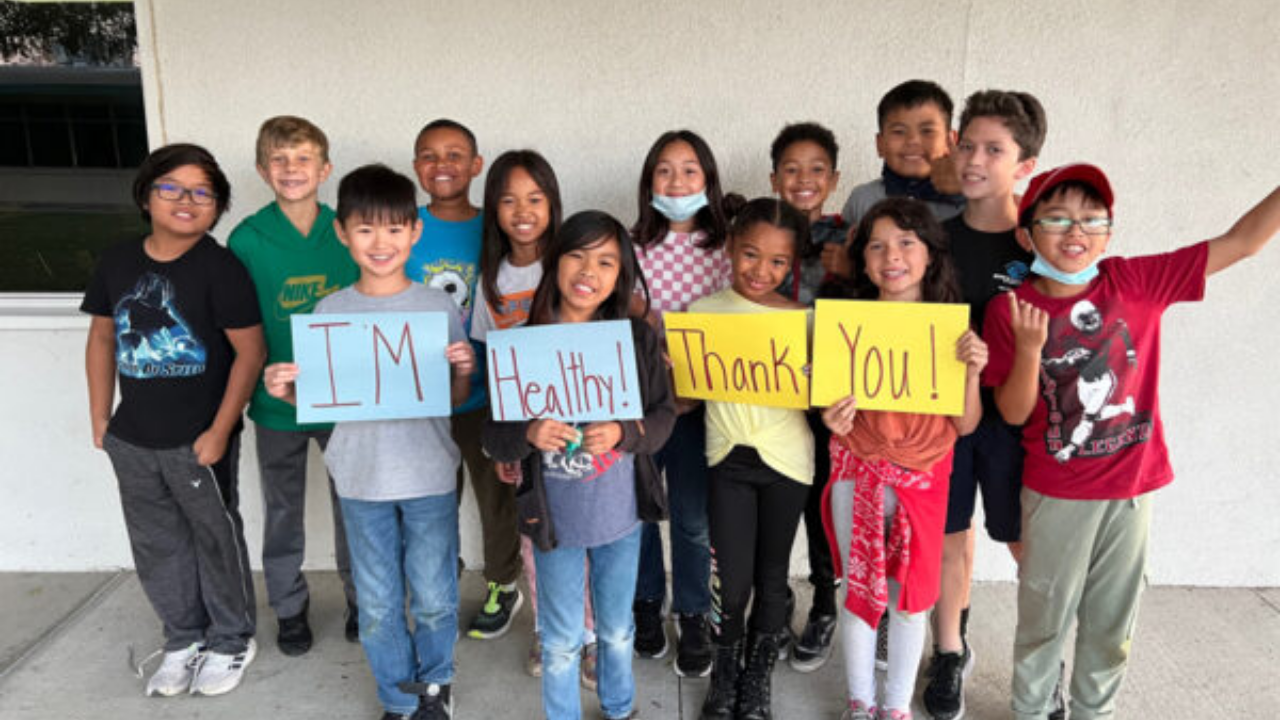
Partnering with Nemours Children's Health, the organization introduced social-emotional learning tools into its network. When the pandemic hit in 2020 and 2021, shuttering schools and isolating kids from their peers, these resources became vital. The "IM Healthy" curriculum reached over 50,000 children across 174 Boys & Girls Clubs.
Kids learned how to identify emotional spikes, cope with stress, and understand a fundamental truth that schools often fail to teach: it is completely fine not to feel okay. Phelps himself had spent years talking openly about his own battles with depression and anxiety. Bringing that vulnerability into youth programs changed the tone of the conversation.
The Numbers Behind the Legacy
Milestones matter because they prove execution rather than good intentions. By 2020, the foundation's core swimming and wellness initiatives had reached over 100,000 children globally. Later curriculum expansions through Nemours pushed social-emotional tools to tens of thousands more.
These aren't vanity metrics. They represent thousands of kids who learned to swim safely in communities where public pools are scarce. They represent children equipped with coping mechanisms for anxiety who might otherwise have suffered in silence.
Athletes launch vanity non-profits all the time. Many of them fold within three years when the founder loses interest or the checks stop clearing. Phelps stayed the course, building partnerships with established institutions like Special Olympics International and the Boys & Girls Clubs. Longevity separates genuine philanthropy from a quick PR stunt.
What We Can Learn From This Shift
You don't need a million-dollar Olympic bonus to back a cause you care about, but you do need focus. Phelps took his specific area of expertise—water mastery and mental discipline—and funneled resources where they were most urgently needed.
If you want to support youth development or mental health initiatives in your own community, look for grassroots infrastructure that already exists. Don't reinvent the wheel. Partner with local centers, fund operational costs that donors usually ignore, and stick with the project long enough to see the data change.
The medals in the trophy case will tarnish eventually. The kids who learned how to swim, set goals, and handle their mental health are carrying a different kind of victory forward.