History isn't just a list of dates you memorize for an exam. It is a messy accumulation of human breakthroughs, catastrophic failures, and mornings that changed the world before breakfast. If you look at the week of September 6 through 12, you see a strange mix of absolute horror and breathtaking human achievement.
From the terrifying opening raids of the London Blitz to Mae Jemison breaking gravity as the first Black woman in space, and the enduring scars of September 11, this specific seven-day stretch packs decades of emotional weight. Let us look at what happened during this week and why those events still echo today.
The Skies Over London Change Forever
On September 7, 1940, the German Luftwaffe shifted its bombing strategy. Instead of targeting British airfields and radar stations in preparation for an invasion, Adolf Hitler ordered massive daylight and night raids on London. This was the start of the Blitz.
Over the next 57 consecutive nights, bombs rained down on the British capital. Thousands of civilians died, entire neighborhoods turned to rubble, and lives were upended in seconds. Yet, the expected collapse of British morale never happened. Citizens adapted by sheltering in underground tube stations and blackout-curtained homes.
History often remembers the Blitz as a symbol of stoic endurance, but the daily reality was exhausting, terrifying, and deeply destructive. It proved that modern total war targets non-combatants just as heavily as armies on a front line.
Breaking Earthly Limits
Fast forward half a century to September 12, 1992. Dr. Mae Jemison floated off the launchpad aboard the space shuttle Endeavour on mission STS-47. In doing so, she became the first African-American woman to travel into space.
Jemison wasn't just an astronaut. She was a chemical engineer, a trained physician, and a former Peace Corps medical officer. When she was a kid in the 1960s, she watched the Apollo missions and wondered why she couldn't go to the moon just because she was a woman and a person of color. Instead of accepting the social limits of her era, she bypassed them entirely.
During her eight days in orbit, she conducted bone cell research and helped manage cooperative experiments with Japanese payload specialists. Her flight reminded everyone that representation matters, but competence and preparation open the doors that lock you out.
The Darkest Tuesday in Modern Memory
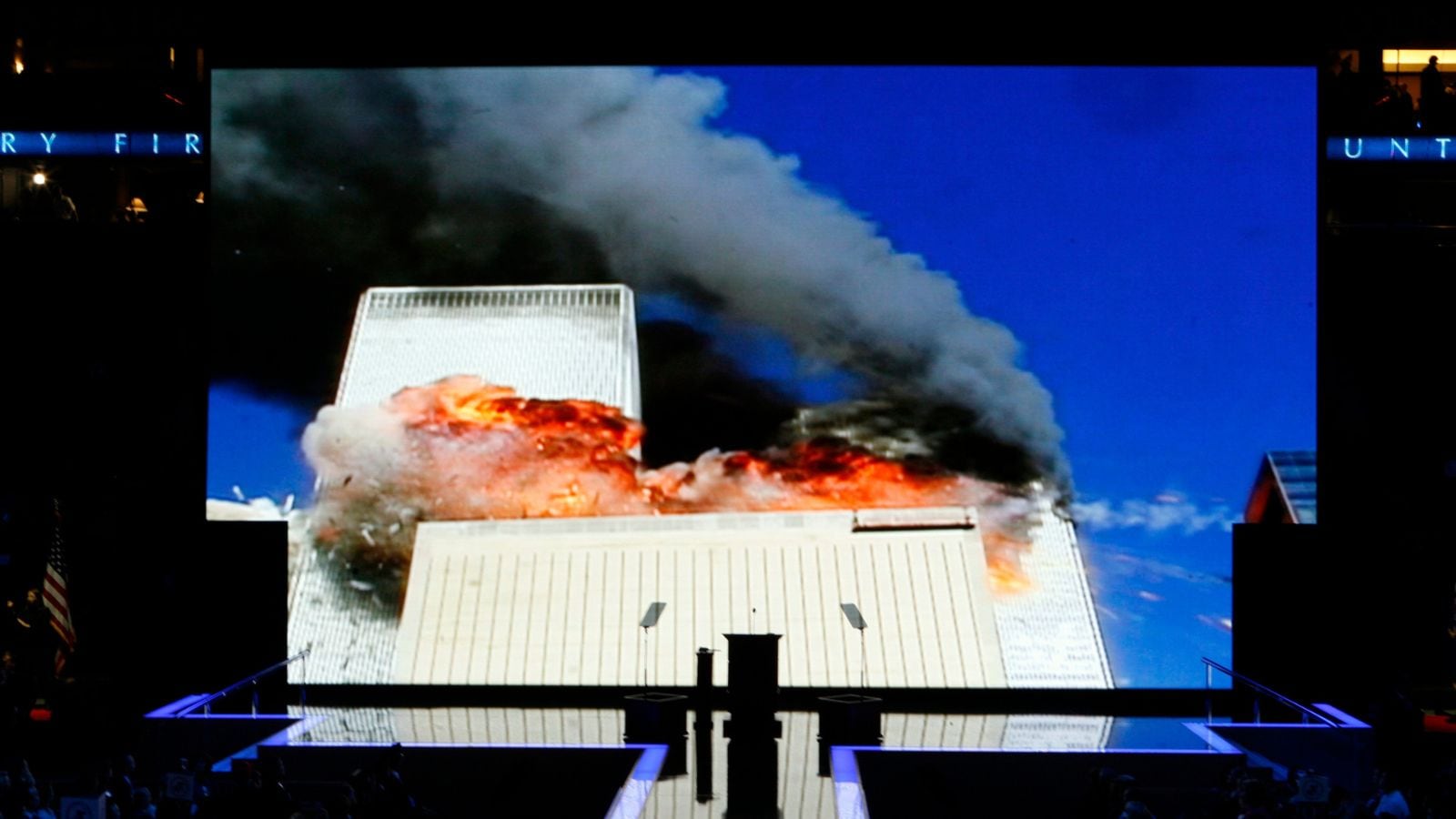
No reflection on this week is complete without acknowledging September 11, 2001. That Tuesday morning rewrote global security, travel, politics, and daily life in ways we still live with.
Hijackers aligned with al-Qaeda seized four commercial airplanes, crashing them into the World Trade Center towers, the Pentagon, and a field in Shanksville, Pennsylvania. Nearly 3,000 people lost their lives in a matter of hours.
The tragedy sparked endless geopolitical shifts, continuous wars, and an airport security apparatus that transformed how humans move across the globe. Decades later, the collective memory of that morning remains raw for millions of families. It stands as a stark reminder of how fragile a normal Tuesday can be.
What These Events Teach Us About Survival
When you group these moments together, a pattern emerges. Human beings possess an uncanny capacity to endure absolute devastation and simultaneously reach for the stars.
You cannot control the macro-events of history. What you can control is how you respond when your own routines get interrupted by forces outside your power. Take a moment this week to look back at your own timeline. Acknowledge your hard days, celebrate your personal milestones, and remember that progress often comes right on the heels of chaos.